








SQRWomensRestroom: A Comprehensive Guide to Women’s Restroom Innovations

SQRWomensRestroom

Introduction to the Evolution of Women’s Restrooms

Women’s restrooms have come a long way since their inception. Gone are the days of dingy stalls and limited facilities. Today, they reflect the needs and preferences of modern women, blending functionality with comfort. As society evolves, so do expectations for public spaces—especially those designated for women.

Enter SQRWomensRestroom a revolutionary concept that redefines what a women’s restroom can be. This innovative approach focuses not only on practicality but also prioritizes user experience and inclusivity. With thoughtful design elements and cutting-edge amenities, SQRWomensRestroom sets new standards in hygiene and convenience.

Curious about what makes this concept stand out? Let’s dive deeper into its design features, benefits, real-world applications, and the challenges faced during implementation to uncover why SQRWomensRestroom is making waves across various venues.

The Concept of SQRWomensRestroom

The SQRWomensRestroom concept redefines the traditional women’s restroom. It’s not just a facility; it’s an experience tailored for modern women. At its core, the design prioritizes comfort and accessibility. The layout encourages movement, ensuring that every woman feels at ease. No longer are restrooms merely utilitarian spaces; they now reflect individuality and empowerment.

SQRWomensRestroom incorporates innovative technology to enhance user experience. Touchless fixtures, smart mirrors, and lighting adjust according to personal preferences—creating a welcoming atmosphere.

Furthermore, this concept emphasizes safety and privacy. Enhanced security features ensure peace of mind while fostering a sense of community among users. As society evolves, so do our needs in public spaces like restrooms. The SQRWomensRestroom is pioneering change with thoughtful design and functionality at its heart.

Design and Layout of SQRWomensRestroom

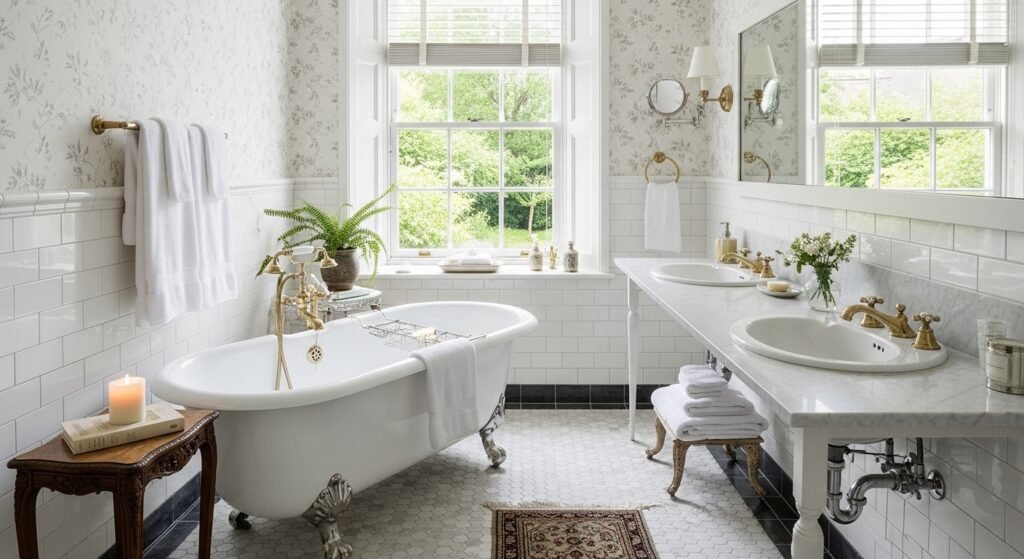
The design and layout of SQRWomensRestroom prioritize both functionality and comfort. Each restroom is crafted with an open concept to enhance accessibility. Thoughtful placement of stalls allows for privacy while maintaining a spacious feel. The use of natural light through large windows can create a refreshing atmosphere.

Innovative features such as touchless fixtures minimize contact, promoting hygiene in high-traffic areas. Soft color palettes contribute to a calming environment, making visits more pleasant. Ample space for personal items encourages organization, while well-designed seating areas provide convenience for mothers or caregivers.

Clear signage aids navigation without confusion, enhancing the overall experience. Attention to detail ensures that every element serves a purpose in creating an inviting restroom setting tailored specifically for women’s needs.

Features and Amenities Offered by SQRWomensRestroom

The SQRWomensRestroom is designed with women’s needs at its core. Spacious stalls ensure privacy, while thoughtful layouts reduce wait times and enhance convenience. Luxurious amenities are a hallmark of this innovative restroom. High-quality fixtures like automatic faucets and hand dryers promote hygiene and ease of use. Additionally, ample counter space allows for personal grooming without feeling rushed.

A standout feature is the inclusion of nursing stations equipped with comfortable seating and changing tables. This support for mothers adds to the family-friendly atmosphere. Lighting plays a crucial role too; soft, adjustable lighting creates an inviting ambiance that enhances user experience.

Moreover, technology integration offers features such as touchless entry systems that prioritize safety in crowded spaces. A well-stocked supply station ensures essentials are always within reach, making every visit smooth and stress-free.

Benefits and Advantages of SQRWomensRestroom

SQRWomensRestroom offers numerous benefits that enhance the restroom experience for women. First and foremost, it’s designed with privacy in mind. This design promotes comfort and safety, allowing users to feel at ease.

The incorporation of innovative technologies is another advantage. Features like touchless faucets and smart lighting contribute to a cleaner environment while minimizing contact points. Additionally, ample space within SQRWomensRestroom facilitates movement. It accommodates mothers with strollers or those needing assistance without feeling cramped.

Another standout feature is accessibility. The layout ensures that all women, regardless of physical ability, can navigate easily. These restrooms often include thoughtful amenities such as changing stations and sanitary product dispensers. Such details reflect an understanding of women’s diverse needs and preferences in public spaces.

Case Studies: Successful Implementations of SQRWomensRestroom

Several cities have successfully implemented SQRWomensRestroom solutions, showcasing their transformative impact. In San Francisco, a newly designed public facility integrated smart technology to enhance user experience. Women reported feeling more secure and comfortable thanks to well-thought-out privacy features.

In Chicago, the city introduced gender-neutral restrooms with dedicated SQRWomensRestroom sections. This approach improved accessibility and fostered inclusivity while addressing long wait times in busy areas. Feedback from users was overwhelmingly positive, highlighting the importance of thoughtful design.

Meanwhile, New York’s initiative focused on sustainability by using eco-friendly materials for restroom construction. The result was a cleaner environment paired with modern conveniences such as touchless faucets and solar-powered lighting systems. These case studies not only demonstrate innovative restroom designs but also emphasize community engagement in creating spaces that cater to women’s needs effectively.

Challenges and Solutions for Implementing SQRWomensRestroom

Implementing SQRWomensRestroom comes with its share of challenges. One major hurdle is the initial cost. Upfront investments in innovative designs and high-quality materials can deter decision-makers. Another issue often faced is space limitations, especially in older buildings. Adapting existing restrooms to fit modern needs might require significant renovations, which can be complex.

Cultural resistance also plays a role. Some may view these advancements as unnecessary or extravagant. Educating stakeholders about the benefits of enhanced facilities can bridge this gap. To tackle these challenges, phased implementation strategies are helpful. This allows for gradual upgrades without overwhelming budgets or disrupting operations.

Engaging users through surveys ensures their preferences guide design choices. When women feel involved, acceptance increases significantly. Collaborating with architects who specialize in restroom innovation can provide tailored solutions that address specific issues effectively.

Conclusion

The evolution of women’s restrooms has taken a significant leap forward with the introduction of SQRWomensRestroom. This innovative concept not only addresses the longstanding issues women face in public facilities but also prioritizes comfort, safety, and convenience.

SQRWomensRestroom redefines what a restroom can be. Its thoughtful design and layout cater specifically to women’s needs, ensuring that every visit is hassle-free. The features and amenities offered are tailored for modern users, including private changing areas, ample space for strollers or wheelchairs, and technology-driven solutions such as touchless fixtures.

The benefits of implementing SQRWomensRestroom extend beyond mere convenience. Communities that adopt this model often see increased foot traffic in businesses nearby due to the improved perception of facilities. Women feel valued when they encounter spaces designed with their specific needs in mind.

Several case studies highlight successful implementations across various sectors—from busy urban centers to quiet suburban parks showcasing how these restrooms enhance user experience while promoting inclusivity.