






Connect with us

Law

What Ethical Standards Must Healthcare Marketers Follow in 2026?

Published

on

What Ethical Standards Must Healthcare Marketers Follow in 2026

Healthcare marketing in 2026 operates in a world where individuals have unprecedented access to information and greater control over their personal data. This shift has led to heightened expectations for honesty, transparency, and accuracy in marketing practices. 

As medical technologies advance and digital marketing becomes increasingly personalized, the responsibilities of healthcare marketers grow exponentially. Today, patients are not merely consumers. They are informed individuals making critical decisions that directly impact their health, safety, and overall quality of life. 

Consequently, the ethical expectations imposed on healthcare marketing are substantially stricter compared to those in any other industry. The ethical guidelines governing healthcare promotion have also evolved to address these new realities and challenges. 

This article will explore the key ethical standards that healthcare marketers must adhere to in 2026.

Data Privacy and Patient Confidentiality

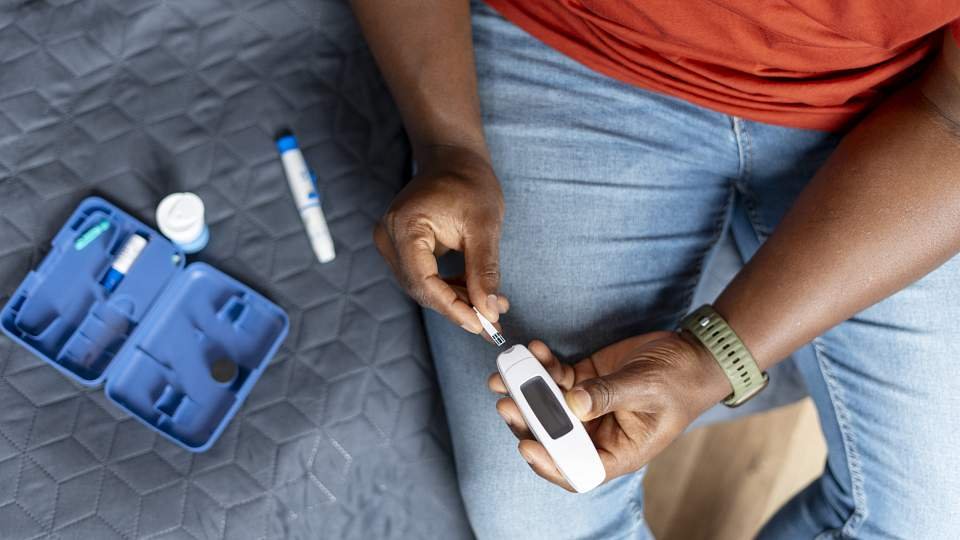
As telemedicine, wearable health devices, and AI diagnostics become more prevalent, an enormous amount of sensitive personal data is generated every moment. This data includes heart rate trends, medication adherence, sleep patterns, blood sugar levels, mental health indicators, and even genomic insights. 

While such information can enable marketers to create tailored and impactful campaigns, it also imposes significant ethical responsibilities. Ensuring patient confidentiality is crucial. It is a fundamental principle of ethical healthcare marketing.

Adhering to regulations like HIPAA in the United States and GDPR in Europe is crucial. But in 2026, expectations around data privacy will have evolved. New international privacy standards require healthcare organizations to safeguard patient data against misuse, unauthorized access, AI profiling, and commercial exploitation. 

For instance, as Fox News notes, a recent breach involving a prominent outpatient radiology provider impacted over one million patients. This breach surfaced following a cyberattack that compromised sensitive patient information, and reports suggested that ransomware operators were involved. The scale of the attack, combined with the nature of the stolen data, raised serious concerns about potential misuse for financial or identity fraud.

In light of these challenges, healthcare marketers must be vigilant about the patient data they utilize and the methods through which it is collected. It is essential to ensure that explicit and informed consent is obtained from patients to uphold ethical standards.

Transparency and Truthfulness in Healthcare Advertising

Transparency is the backbone of ethical healthcare marketing in 2026. Healthcare organizations can no longer rely on overly dramatic language. Instead, they must commit to absolute honesty. 

Nothing tests the importance of truthfulness more than real-world examples. One such example where device risks were not communicated clearly is the PowerPort implantable port catheter system. 

As per TorHoerman Law, the Bard PowerPort device was originally designed to give patients a simpler, more reliable way to receive repeated vascular access. But over time, serious complications such as infections, blood clots, and vessel damage have been reported. 

These concerns have become central to numerous lawsuits, such as the Bard PowerPort lawsuit filed across the USA. Ethical healthcare marketing demands that such risks be openly acknowledged, not hidden behind optimistic product claims or minimized with technical jargon.

For healthcare marketers, cases like this are powerful reminders of the ethical standards required when promoting medical devices. Truthfulness is not optional. Every advertised claim must be backed by reliable evidence. Every known risk must be communicated clearly, proactively, and without exaggeration or omission. 

AI-Driven Healthcare Marketing: Ethical Considerations

AI technology offers healthcare brands the ability to connect with patients more effectively. But this technology also brings significant risks if not used with transparency, fairness, and accountability. 

In this industry, even small mistakes in AI-driven messaging can influence patient decisions about treatments, medications, or medical devices. That is why it is essential to use such influence responsibly and with integrity.

A central ethical standard in 2026 is the prevention of algorithmic bias. A comprehensive study published in Nature examines how biases in AI can worsen healthcare disparities. According to the research, there are various types of bias, including:

  • Human Bias: This includes implicit biases, such as unconscious stereotypes related to race or gender. It also includes systemic biases that arise from broader societal structures or institutional policies.
  • Algorithmic Bias: This can arise from issues such as poor feature selection, flawed model design, or the disproportionate weighting of data during the algorithm’s development.

To uphold ethical standards, healthcare marketers must ensure that human oversight accompanies all AI-driven messaging. Automated systems should never generate patient-facing messages without first being reviewed by qualified professionals. 

Avoiding Fear-Based Messaging

In 2026, employing fear-based messaging is regarded as one of the most harmful tactics in healthcare marketing. Patients grappling with anxiety or uncertainty about their health are particularly vulnerable to such approaches. 

Marketing campaigns that exaggerate risks or imply that a patient’s condition will worsen without a specific treatment can exploit patient vulnerabilities. Targeting emotional distress in this way further increases the potential for manipulation. Instead, a knowledge-based approach should be prioritized.

For instance, a study highlighted by Nebraska Today examined the impact of short-form video messages on women’s attitudes toward Pap tests for cervical cancer. Researchers compared fear-based messaging, which focused on pain and discomfort, to knowledge-based messaging that emphasized the value and purpose of the tests. 

The results showed that videos highlighting the benefits of the Pap test were received far more positively. This approach led to a greater willingness among women to get screening done.

Furthermore, messages that prey on fears surrounding aging, appearance, or mortality cross into manipulative territory. Instead, focus on discussing sensitive health topics with clarity and compassion. 

Recent diabetes commercials from a pharma company, for example, showcase real people enjoying fulfilling lives. They chose to emphasize optimism rather than challenges. Similarly, as per Fast Company, a skincare brand’s “Eczema Equality” initiative celebrates diverse skin by portraying confident families. It transforms a condition often associated with shame into a narrative of authentic representation and acceptance.

FAQs

What are the ethics of pharmaceutical marketing?

Pharmaceutical marketing ethics focus on fairness, honesty, and responsibility. Ethical marketers provide accurate information, avoid misleading claims, and prioritize patient well-being. By acting transparently and respecting public trust, organizations maintain their credibility. This approach contributes positively to the communities and healthcare environments in which they operate.

What is explicit consent in healthcare email marketing?

Explicit consent occurs when a person actively agrees to receive marketing emails. This approval must be intentional, such as checking an opt-in box, signing a form, or confirming through a double opt-in process. This ensures individuals clearly understand and authorize communication from healthcare marketers.

What are the ethical dilemmas in marketing?

An ethical dilemma in marketing arises when companies face choices between achieving business goals and acting responsibly. Challenges often include deceptive messaging, misuse of customer data, targeting vulnerable groups, cultural insensitivity, and greenwashing. These issues require careful decision-making to protect consumer trust and maintain ethical standards.

Healthcare marketing in 2026 is defined by a profound shift towards patient empowerment and ethical accountability. As healthcare marketers manage this complex environment, the responsibilities are clear. Prioritize data privacy, uphold transparency, combat algorithmic bias, and abandon fear-based tactics. By adhering to these ethical standards, healthcare marketers can foster trust and respect in their relationships with patients.

Continue Reading
Click to comment

Leave a Reply

Your email address will not be published. Required fields are marked *

Trending

Copyright © 2025 Zox News Theme. Theme by MVP Themes, powered by WordPress.