








Imagine stepping into a world where tranquility and beauty coexist in perfect harmony. This is the essence of jyokyo, a concept deeply rooted in Japanese culture that embodies aesthetics, philosophy, and tradition. From serene landscapes to intricate designs, jyokyo captures the spirit of Japan’s rich heritage while inviting us to reflect on our own lives. Whether you’re an art enthusiast or simply curious about cultural practices, this journey into jyokyo will unveil its significance and inspire you to embrace its principles in your daily routine. Let’s explore the layers of meaning behind jyokyo and discover how it can enrich our understanding of beauty and balance in life.
The Meaning and Origin of Jyokyo
Jyokyo, often translated as “serene scene,” embodies a philosophy that emphasizes harmony with nature. The term originates from ancient Japan, where aesthetics were deeply intertwined with spiritual beliefs and everyday life. Historically, jyokyo reflects the principles of Zen Buddhism. This connection highlights an appreciation for simplicity and mindfulness in art and design.
The concept encourages individuals to find beauty in imperfection, aligning with the Japanese notion of wabi-sabi. Each element within a jyokyo scene serves a purpose while contributing to overall tranquility. From traditional gardens to handcrafted pottery, jyokyo influences various artistic expressions throughout history. Its essence lies not just in visual appeal but also in evoking emotional responses that resonate with one’s inner self. This makes it more than just an aesthetic—it’s a way of experiencing the world around us.
The Role of Jyokyo in Traditional Japanese Culture
Jyokyo is deeply woven into the fabric of traditional Japanese culture. Its roots stretch back centuries, reflecting a unique blend of spirituality and artistry. This concept not only defines aesthetic beauty but also embodies philosophical principles that guide daily life.
In ancient Japan, jyokyo served as a foundation for various art forms, from ink painting to pottery. Craftsmen infused their work with this philosophy, striving for harmony between nature and human expression.
Ceremonies often incorporated elements of jyokyo, emphasizing mindfulness and respect. Each gesture held significance; every detail mattered in creating an atmosphere conducive to reflection. Communities embraced jyokyo through festivals and rituals that celebrated seasonal changes, honoring both the environment and cultural heritage. This connection fosters a sense of belonging while reinforcing values central to Japanese identity. Even today, its influence persists in contemporary practices—reminding us that tradition can be both timeless and relevant.
Symbolism and Aesthetics in Jyokyo Art and Design
Jyokyo art and design encapsulates a profound connection to nature, emphasizing harmony and balance. Each piece often reflects the changing seasons, showcasing delicate motifs like cherry blossoms or autumn leaves. These elements are not merely decorative; they symbolize transience and beauty in impermanence.
Color plays a crucial role in Jyokyo aesthetics. Soft pastels evoke serenity, while bold hues can represent vitality and energy. The careful choice of color palette enhances emotional resonance within the artwork. Textures also contribute significantly to Jyokyo’s appeal. Artists utilize natural materials such as wood, silk, and washi paper to create tactile experiences that invite viewers to engage with their surroundings on a deeper level. Moreover, negative space is thoughtfully employed to encourage contemplation. This breathing room allows the observer’s mind to wander freely amidst the intricacies of each design, fostering an intimate dialogue between art and viewer.
Modern Interpretations and Incorporation of Jyokyo in Contemporary Culture
Modern interpretations of jyokyo are emerging across various artistic and cultural platforms. Contemporary artists draw inspiration from its rich aesthetic, blending traditional elements with modern techniques. This fusion creates a fresh dialogue between the past and present. In fashion, designers incorporate jyokyo motifs into clothing lines, showcasing the elegance of Japanese culture on global runways. The subtle beauty of these designs captures attention while honoring heritage.
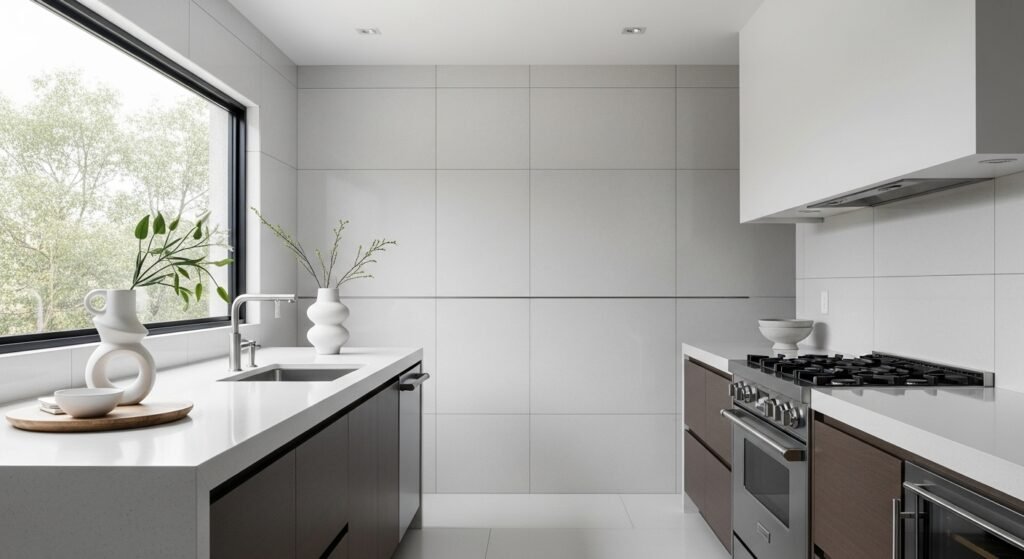
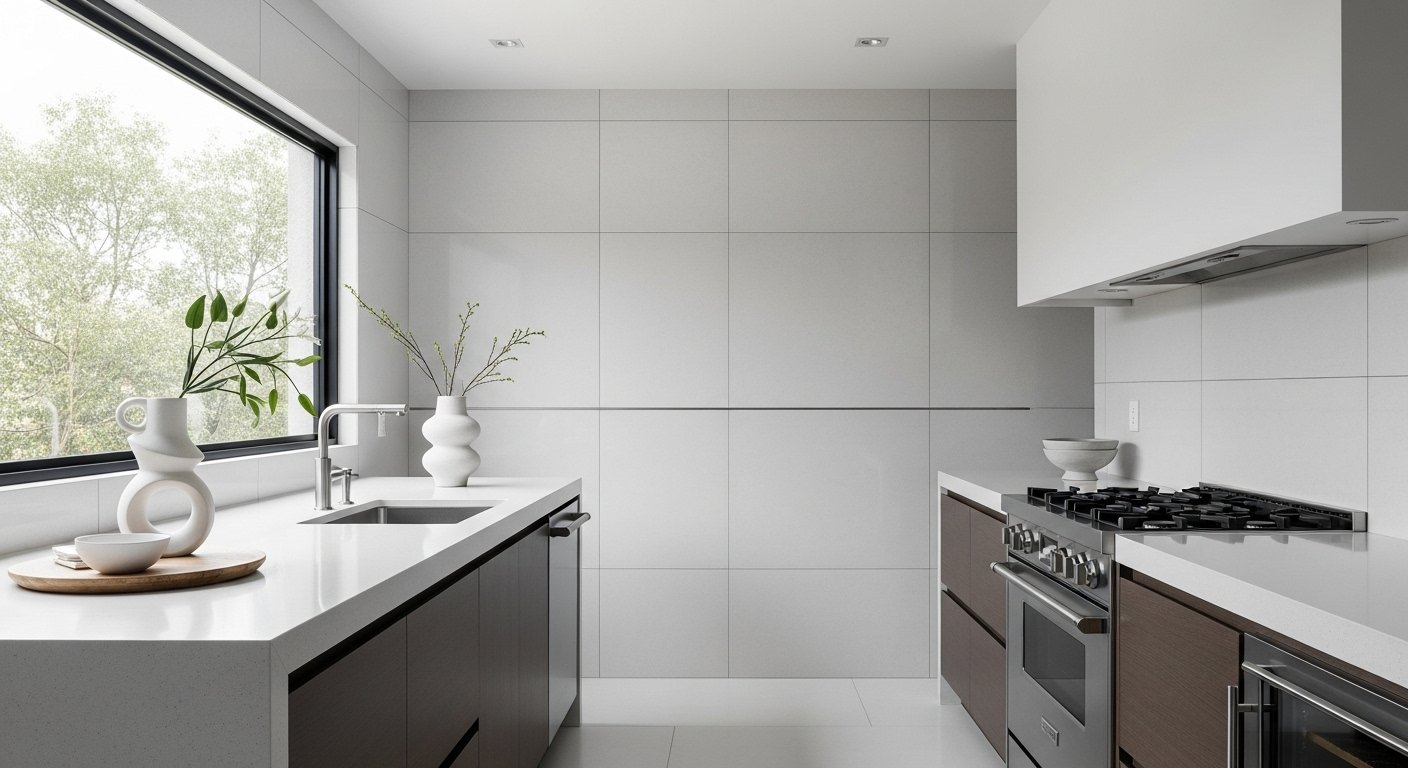
Architecture also sees a resurgence in jyokyo influence. Minimalist structures reflect its principles, promoting harmony with nature and emphasizing simplicity. Social media plays a significant role too. Platforms like Instagram feature vibrant images that celebrate jyokyo-inspired art, making it accessible to younger generations who seek authenticity in their lifestyles.
Through workshops and community events, people engage actively with this philosophy, ensuring that jyokyo resonates beyond its historical roots into everyday practices today.
How to Practice Jyokyo in Daily Life
Incorporating jyokyo into your daily routine can transform ordinary moments into mindful experiences. Start by creating a serene environment at home. Use natural materials like wood and stone, which resonate with traditional aesthetics. Mindfulness is crucial. Take time to appreciate the beauty in simple tasks—whether brewing tea or watering plants. Each action can become a ritual of reflection and appreciation.
Engage in nature walks, allowing yourself to absorb the surroundings fully. Observe seasonal changes; they are powerful reminders of life’s cycles. Artistic expression also plays a role. Try your hand at calligraphy or watercolor painting, embracing imperfection as part of the creative process. Connect with others through shared experiences centered around jyokyo principles, such as communal meals or workshops focused on art and craft. This fosters deeper relationships grounded in mutual appreciation for beauty and simplicity.
Impact of Jyokyo on Global Culture
The impact of jyokyo extends far beyond Japan’s borders. This concept has woven itself into the fabric of global culture, influencing artists and designers worldwide. In Western art, for example, elements inspired by jyokyo aesthetics can be seen in minimalist design and nature-inspired motifs. The simplicity and elegance resonate with audiences seeking calm in a fast-paced world.
Fashion trends have also embraced jyokyo philosophies. Designers often draw upon its principles to create collections that celebrate balance and harmony. Social media platforms showcase how traditional Japanese practices inspire modern lifestyles. From home decor to mindfulness rituals, people are adopting jyokyo principles in their everyday lives.
Additionally, cultural exchanges through travel and education continue to spread awareness about this rich tradition. More individuals are recognizing the significance of these concepts as they seek deeper connections with themselves and their surroundings.
Conclusion: Embracing the Beauty and Philosophy of Jyokyo
Embracing jyokyo opens a window into the rich tapestry of Japanese culture. This concept, steeped in history and symbolism, invites individuals to appreciate beauty in simplicity. It encourages mindfulness and connection with one’s surroundings. The aesthetic principles found within jyokyo resonate beyond art; they permeate daily life, from home design to personal interactions. Integrating these philosophies can lead to a more harmonious existence.
As we navigate our fast-paced world, embracing the tenets of jyokyo allows us to slow down and savor each moment. It’s a gentle reminder that beauty exists not just in grand gestures but also in the quiet details of everyday life. The legacy of jyokyo continues to inspire both artists and enthusiasts globally, creating a bridge between traditional values and modern expressions. Recognizing this cultural treasure enriches our understanding of Japan’s heritage while encouraging us all to seek beauty wherever we go both within ourselves and the world around us.