





The baby stroller industry is constantly evolving as parenting lifestyles, urban living, and travel habits continue to change. Parents today look for more than basic functionality—they want strollers that are compact, stylish, easy to use, and adaptable to different situations. This growing demand has pushed stroller brands to focus heavily on innovation and design development.
For many brands, achieving this level of innovation internally can be challenging. Design research, engineering expertise, and production testing require significant time and resources. This is why OEM and ODM manufacturing has become an essential pathway for stroller brands aiming to stay competitive and future-ready.
The Shift From Basic Manufacturing to Design-Led Production
In earlier years, stroller manufacturing focused mainly on durability and basic safety. While these factors remain critical, modern consumers now expect thoughtful features that improve daily convenience. This shift has transformed manufacturing from a purely production-based activity into a design-driven process.
OEM and ODM manufacturing partners support this transformation by combining engineering expertise with design innovation. Instead of simply producing a product, manufacturers collaborate with brands to develop strollers that align with emerging trends and real-world user needs.
Understanding OEM vs ODM in the Baby Stroller Industry
OEM manufacturing allows brands to produce strollers under their own brand while relying on external manufacturing expertise. ODM manufacturing goes a step further by contributing to the design and development process itself.
In stroller production, ODM support may include:
- Developing new folding mechanisms
- Improving frame structures for lightweight performance
- Designing ergonomic seating and handle systems
- Integrating travel-friendly and space-saving features
This collaborative approach helps brands introduce innovative products faster and more efficiently.
Why Innovation Matters to Modern Parents
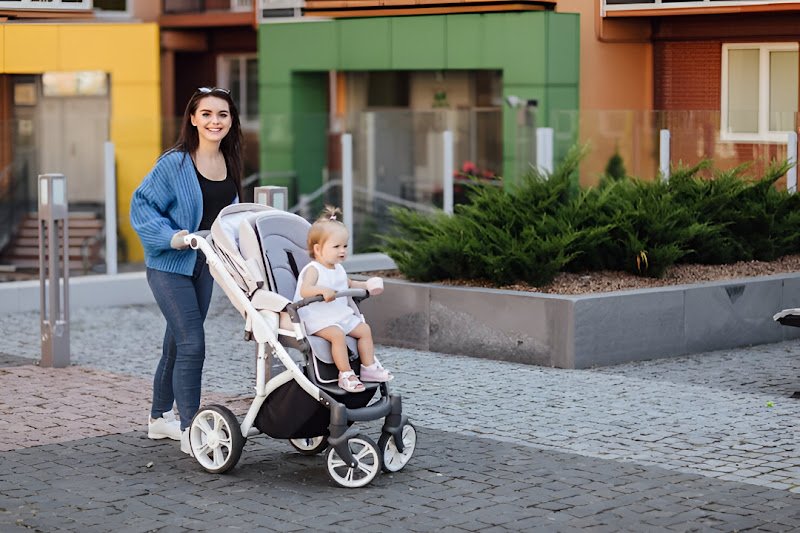
Parents today often juggle multiple responsibilities and expect baby products to support their busy lifestyles. Strollers must be easy to fold, simple to transport, and comfortable for both parent and child. Innovation directly affects how well a stroller fits into everyday life.
Key features parents value include:
- Compact folding for storage and travel
- Smooth maneuverability in urban environments
- Lightweight construction without sacrificing strength
- Adjustable components for long-term use
- Modern design that feels premium and practical
Manufacturers that understand these needs play a crucial role in helping brands deliver relevant products.
How OEM Manufacturing Supports Design Innovation
Design innovation requires more than creative ideas—it requires technical feasibility. OEM manufacturing partners help brands turn concepts into workable designs by evaluating materials, engineering constraints, and production efficiency.
A professional baby stroller OEM manufacturer works closely with brands to refine designs before mass production. This includes testing folding mechanisms, analyzing stress points, and ensuring that innovative features meet safety standards.
By addressing these factors early, brands can avoid costly redesigns and delays.
Prototyping and Testing as Innovation Enablers
Prototyping is a critical step in stroller innovation. It allows brands to evaluate how new features perform in real-world conditions. OEM and ODM manufacturing partners typically provide prototype development services to support this process.
Through prototyping, brands can:
- Test new frame shapes and materials
- Evaluate folding and locking systems
- Assess comfort and ergonomics
- Identify potential safety or durability issues
Feedback from these tests helps refine designs before full-scale production begins.
Material Innovation and Lightweight Engineering
Material selection plays a major role in stroller innovation. Parents often prefer lightweight strollers that are easy to carry and maneuver. OEM and ODM manufacturers explore advanced materials that balance strength and weight effectively.
Innovative material approaches may include:
- Lightweight metal alloys for frames
- Durable yet breathable fabric materials
- Reinforced joints designed for repeated use
- Shock-absorbing components for smoother rides
These material innovations help brands deliver strollers that feel modern and user-friendly.
Customization Through ODM Collaboration
ODM manufacturing allows brands to go beyond surface-level customization. Instead of simply changing colors or logos, brands can develop unique structural features that differentiate their products.
ODM collaboration often supports:
- Exclusive folding or locking mechanisms
- Unique wheel and suspension configurations
- Custom seating systems for enhanced comfort
- Integrated accessories designed for specific markets
This deeper level of customization helps brands establish a distinct identity in competitive markets.
Innovation Without Sacrificing Safety
While innovation is important, safety remains the top priority in baby stroller manufacturing. OEM and ODM manufacturers ensure that new designs meet all required safety standards and testing protocols.
Innovative features are evaluated for:
- Structural stability
- Load-bearing capacity
- Safe operation during folding and unfolding
- Long-term durability under repeated use
By combining innovation with rigorous testing, manufacturers help brands introduce new ideas without increasing risk.
Scaling Innovative Designs for Mass Production
One challenge brands face is scaling innovative designs for mass production. Features that work well in prototypes may require adjustments to ensure efficient manufacturing at scale.
OEM manufacturing partners help optimize designs for large-scale production by simplifying assembly processes and reducing unnecessary complexity. This ensures that innovative products can be produced consistently and cost-effectively.
Staying Ahead of Market Trends
The baby stroller market is influenced by lifestyle trends, urbanization, and travel habits. OEM and ODM partners monitor these trends and help brands adapt their designs accordingly.
By working with an experienced baby stroller OEM manufacturer, brands gain access to insights that support future-focused product development. This helps brands remain relevant as consumer preferences evolve.
Supporting Innovation Through Long-Term Partnerships
Innovation is not a one-time effort—it requires continuous improvement. Long-term OEM and ODM partnerships allow manufacturers to develop a deep understanding of a brand’s goals and design philosophy.
Over time, these partnerships lead to:
- Faster development cycles
- Improved design consistency
- Better cost control for new features
- Stronger alignment between brand vision and production
This continuity supports sustainable innovation.
Building Brand Value Through Innovative Manufacturing
Innovative stroller design enhances brand value by improving user experience and product appeal. Parents are more likely to trust brands that consistently introduce practical and well-designed products.
Manufacturing partners such as bebluxbaby.com support stroller brands by providing OEM and ODM solutions that focus on innovation, safety, and long-term reliability.
Preparing for the Future of Baby Mobility
As cities become more compact and families travel more frequently, stroller design will continue to evolve. Features such as modular components, travel compatibility, and smart design integration are likely to shape the future.
OEM and ODM manufacturing partners help brands prepare for these changes by offering flexible design support and adaptable production systems.
Conclusion
Innovation is a defining factor in the success of modern baby stroller brands. OEM and ODM manufacturing provides the technical expertise, design support, and production reliability needed to bring innovative ideas to market safely and efficiently.
By partnering with experienced manufacturers, brands can develop future-ready strollers that meet modern parenting needs while maintaining safety and quality standards. In an increasingly competitive industry, innovation-driven manufacturing remains a key driver of long-term growth.