








In modern cooking, taste alone is no longer enough to define food quality. Texture, appearance, and consistency all play a critical role in shaping the overall eating experience. When it comes to meat-based dishes, texture is especially important. Whether the dish is grilled, fried, baked, or slow-cooked, the way meat is prepared directly affects how it cooks and how it tastes.
Many kitchens focus heavily on seasoning and recipes but overlook the importance of preparation methods. In reality, even the best recipe can fail if the meat texture is inconsistent. This is why professional kitchens and serious home cooks pay close attention to how meat is processed before cooking.
Why Meat Texture Is a Key Quality Indicator
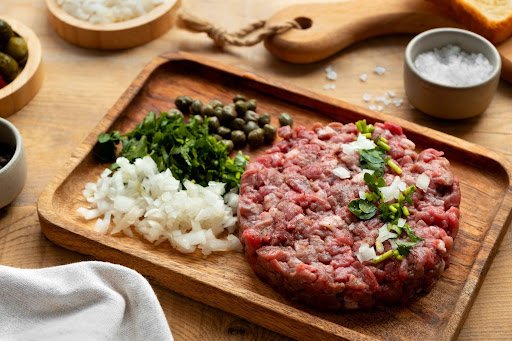
Meat texture influences nearly every stage of cooking. Uneven texture can lead to uneven cooking, dryness, or poor presentation. For example, meat that is too coarse may not bind properly, while meat that is too fine may lose its structure during cooking.
Consistent texture helps ensure:
- Even cooking across the dish
- Better moisture retention
- Improved mouthfeel
- Uniform appearance
For customers, these factors create a more enjoyable and reliable dining experience. For kitchens, they help maintain standards and reduce complaints.
The Relationship Between Preparation and Cooking Performance
Cooking performance depends heavily on how ingredients are prepared. When meat is processed inconsistently, heat distributes unevenly, causing some parts to overcook while others remain undercooked. This not only affects taste but also raises food safety concerns.
Proper preparation ensures that meat responds predictably to heat. This predictability allows chefs to control cooking times more accurately and deliver consistent results. In professional environments, where timing and quality must align perfectly, this level of control is essential.
How a Meat Grinder Helps Achieve Uniform Texture
A Meat Grinder allows kitchens to control meat texture with precision. Instead of relying on pre-ground meat with unknown processing methods, meat can be prepared fresh and adjusted to suit specific recipes.
Grinding meat in-house ensures uniform particle size, which improves binding and cooking behavior. This is especially useful for dishes like burgers, meatballs, sausages, and minced-meat fillings. Uniform texture also improves seasoning distribution, resulting in better flavor balance throughout the dish.
Different Recipes Require Different Textures
Not all meat-based dishes require the same texture. Some recipes perform better with coarse grinding, while others need a finer consistency. Understanding these differences allows kitchens to prepare meat in a way that enhances each dish.
Examples include:
- Coarse texture for rustic sausages
- Medium texture for burgers and patties
- Fine texture for dumplings and fillings
- Blended textures for specialty recipes
Being able to adjust texture easily allows kitchens to expand their menu without compromising quality.
Why Pre-Ground Meat Often Falls Short
Pre-ground meat may seem convenient, but it often lacks consistency and freshness. Since it is processed in bulk and stored for extended periods, it can lose moisture and flavor. Additionally, kitchens have limited control over fat content and grind size.
Common issues with pre-ground meat include:
- Inconsistent texture
- Reduced freshness
- Limited customization
- Shorter shelf life after opening
For kitchens that prioritize quality and control, relying solely on pre-ground meat can create limitations.
The Impact of Fresh Processing on Flavor
Freshly processed meat retains more of its natural juices, which directly enhances flavor. When meat is ground just before use, it absorbs seasonings more evenly and cooks more consistently.
This results in:
- Richer taste
- Better aroma
- Improved texture after cooking
- More satisfying mouthfeel
These improvements may seem subtle, but they significantly influence how customers perceive food quality.
Efficiency Benefits for Busy Kitchens
Beyond quality, efficient meat preparation also supports smoother kitchen operations. Manual preparation methods can slow down workflow and increase physical strain on staff.
Using a Meat Grinder allows kitchens to process meat faster and with less effort. This efficiency becomes especially important during peak service hours when speed and accuracy are equally important. Faster preparation reduces stress and helps kitchens maintain service standards.
Supporting Portion Control and Waste Reduction
Consistent texture also supports better portion control. When meat is processed evenly, it becomes easier to divide into uniform portions. This helps kitchens manage inventory and reduce waste.
Benefits of improved portion control include:
- Predictable cooking results
- Reduced overuse of ingredients
- Lower food waste
- Better cost management
Over time, these small efficiencies contribute to improved profitability.
Hygiene and Clean Processing Practices
Meat handling requires strict hygiene standards. Equipment used for processing must support easy cleaning and safe operation. Residue buildup can compromise food safety if not managed properly.
Quality processing equipment is designed with food-grade materials and smooth surfaces that allow thorough cleaning. Easy disassembly ensures that all parts can be washed properly after use, helping maintain hygiene and safety standards.
Consistency Builds Customer Trust
Customers may not always consciously notice texture differences, but they immediately sense when something feels off. Inconsistent dishes can damage trust and reduce repeat business.
Consistency builds confidence. When customers know they will receive the same quality every time, they are more likely to return. Reliable preparation methods help kitchens deliver this consistency across all service periods.
Long-Term Value of Controlled Preparation
Investing in controlled preparation methods provides long-term benefits. Consistent texture, reduced waste, and improved efficiency all contribute to better operational performance.
Over time, kitchens that focus on preparation quality experience:
- Fewer quality complaints
- Better staff efficiency
- Stronger brand reputation
- More stable food costs
These advantages support sustainable growth and long-term success.
Choosing the Right Equipment Partner
Equipment quality plays a major role in preparation outcomes. A reliable supplier understands kitchen needs and designs products that support precision and durability.
For kitchens looking to improve meat preparation consistency and efficiency, Mirabake.com offers food processing solutions built to support modern cooking standards.
Adapting to Evolving Food Expectations
Food expectations continue to evolve. Customers want meals that look good, taste great, and feel consistent every time. Kitchens that adapt their preparation methods are better positioned to meet these expectations.
Controlled meat processing allows kitchens to improve quality without complicating operations. This balance is essential for long-term success in a competitive food environment.
Final Thoughts
Meat texture is a critical factor that influences taste, cooking performance, and customer satisfaction. Inconsistent preparation can undermine even the best recipes, while controlled processing enhances overall food quality.
Managing meat preparation with precision allows kitchens to deliver reliable results, reduce waste, and improve efficiency. A dependable meat grinder plays an important role in achieving these goals by supporting uniform texture and consistent performance.
With the right preparation methods and equipment in place, kitchens can elevate their meat-based dishes and meet modern food quality standards with confidence.