
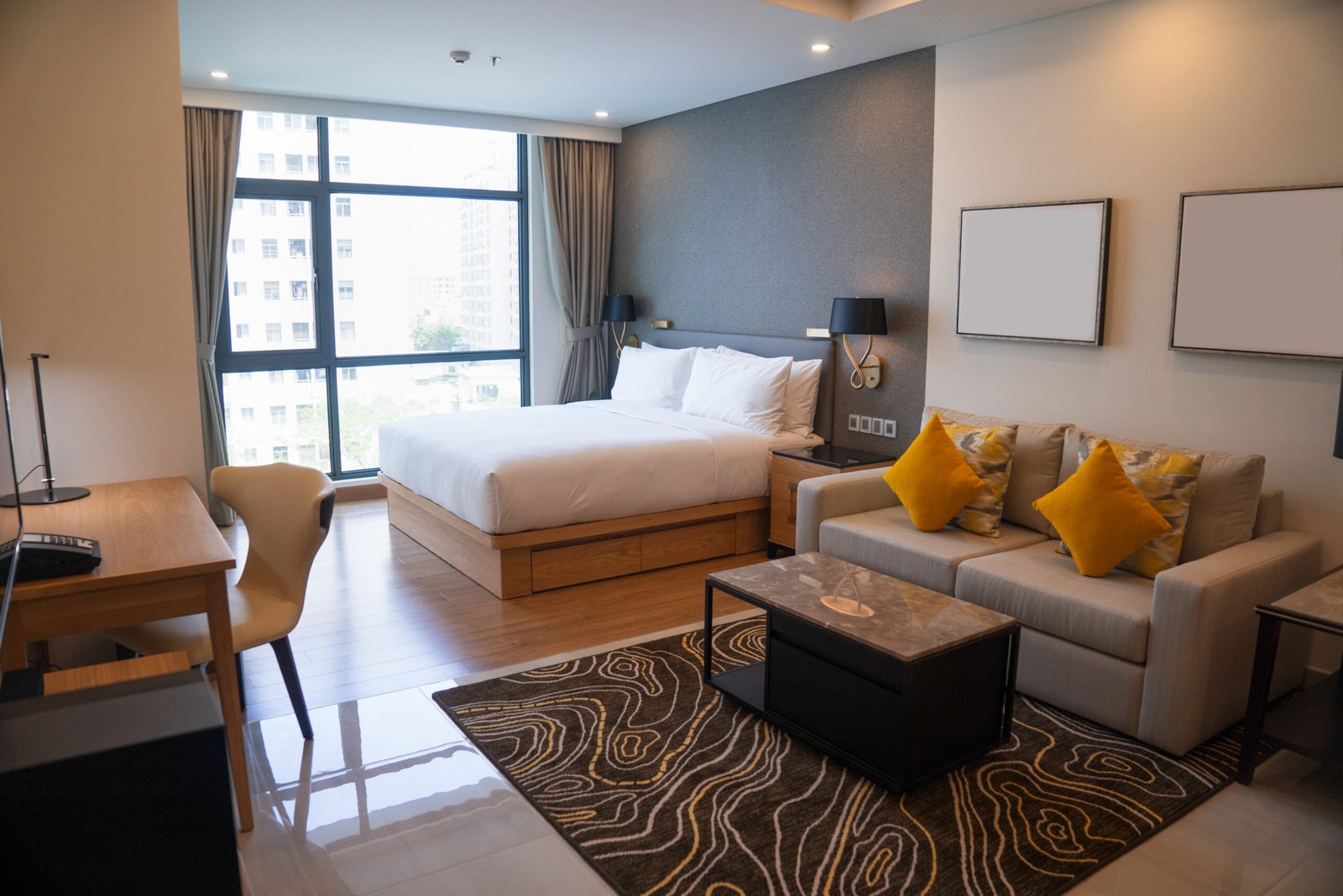
Finding a 1 bedroom apartment Singapore for rent is one of the most common goals for renters in the city. Whether you’re relocating for work, moving out on your own, or simply looking for a more private space, one-bedroom units offer a practical balance between comfort and cost.
At the same time, Singapore’s rental market can feel overwhelming. Prices vary widely, good listings move quickly, and expectations don’t always match reality. That’s why it’s important to understand both pricing and location dynamics before starting your search in 2026.
Prices and What You Should Expect
The average rent for a 1-bedroom apartment in Singapore depends largely on where you choose to live. In central areas such as Orchard, Marina Bay, or the CBD, rental prices are at their highest, often ranging from S$3,800 to S$5,500 per month. These locations are ideal for convenience, but you pay a premium for that accessibility.
Moving slightly away from the city center, areas like Queenstown, Novena, or Kallang offer a more balanced option. Here, the average rent for 1 bedroom apartment in Singapore is typically more moderate, while still providing good transport links and access to amenities.
In suburban districts such as Jurong, Tampines, or Woodlands, renters can expect more affordable options. While commuting time may increase, these areas often provide better value in terms of space and pricing.
Understanding these differences helps you approach your search for a 1 bedroom apartment Singapore for rent with more realistic expectations.
Apartment vs Flat: What’s the Difference?
When browsing listings, you’ll often come across both apartments and flats. A 1 bedroom apartment Singapore for rent usually refers to private housing such as condominiums or serviced apartments. These properties typically include facilities like gyms, pools, and security.
A 1 bedroom flat for rent in Singapore, on the other hand, is more commonly associated with HDB units. These tend to be more affordable but come with fewer amenities. The choice between the two depends on your budget and lifestyle preferences.
Choosing the Right Area
Location is one of the most important factors when renting. It affects not only price but also your daily routine and overall experience.
Central Areas
Living in the city center offers unmatched convenience. Everything from offices to entertainment is within close reach, but rental costs are significantly higher.
City Fringe
Neighborhoods just outside the central core provide a strong balance between price and accessibility. They are often well-connected and popular among professionals.
Suburban Areas
For those prioritising affordability, suburban districts offer more budget-friendly options. While they may be further from the city, transport links make commuting manageable.
Choosing the right location ultimately depends on how you balance cost, commute, and lifestyle when looking for a 1 bedroom apartment Singapore for rent.
What Renting Looks Like in 2026
The rental market in 2026 continues to evolve, but one thing remains clear: demand for smaller, self-contained units is still strong. A 1 bedroom apartment Singapore for rent remains one of the most competitive segments of the market, especially among young professionals, expats, and couples who prioritise privacy and convenience.
At the same time, renters today are more informed than ever. With greater access to data, listings, and comparison tools, tenants are no longer making quick decisions based solely on availability. Instead, they are evaluating price, location, amenities, and overall value much more carefully. This shift has created a more balanced dynamic where demand is still high, but expectations are also rising.
Faster Search and Decision Process
Technology has significantly changed how people search for housing. In 2026, most renters rely heavily on digital platforms to browse listings, compare prices, and communicate with landlords or agents. This has made the process more efficient, but also more competitive.
A well-priced 1 bedroom apartment Singapore for rent can attract multiple enquiries within a short period. In some cases, desirable units are secured within days or even hours of being listed. As a result, renters need to be prepared — having documents ready, knowing their budget, and being able to make decisions quickly.
This faster pace means that hesitation can often lead to missed opportunities, especially in popular areas.
More Transparent Listings
Another noticeable shift is the level of transparency expected in listings. Renters in 2026 are no longer satisfied with basic descriptions or limited photos. High-quality images, detailed property information, and clear pricing breakdowns have become the norm.
This increased transparency benefits tenants by reducing uncertainty and helping them shortlist properties more effectively. However, it also means that competition is more direct. When all the information is readily available, renters can quickly compare multiple options and identify the best value.
For landlords and platforms, this has raised the standard of how properties are presented, making the overall search experience more efficient but also more demanding.
Flexible Rental Trends
Flexibility is becoming a key theme in the rental market. While traditional long-term leases are still common, more tenants are looking for arrangements that better suit their lifestyles.
Shorter lease durations, co-living options, and alternative payment structures are gaining traction. These changes reflect a broader shift in how people approach renting — not just as a long-term commitment, but as something that can adapt to their personal and professional circumstances.
For those searching for a 1 bedroom apartment Singapore for rent, this means more options are becoming available, but also more variations to consider when comparing listings.
Greater Focus on Value
Beyond price alone, renters are increasingly focused on overall value. This includes factors such as proximity to transport, quality of furnishings, building facilities, and even the responsiveness of landlords or property managers.
In 2026, it’s not just about finding the cheapest option — it’s about finding a property that offers the best balance between cost and quality. This is particularly important in a market where prices can vary significantly even within the same neighborhood.
As a result, tenants are spending more time researching and comparing before making a final decision.
Finding the Right Apartment Efficiently
Searching for the right place can take time, especially if you are unfamiliar with the market. A structured approach makes a big difference.
Start by defining your budget based on the average rent for 1 bedroom apartment in Singapore, then narrow your preferred areas. This helps eliminate listings that don’t fit your needs.
It’s also important to compare multiple options rather than rushing into a decision. Even within the same neighborhood, prices and conditions can vary significantly.
To simplify your search, you can explore available listings for a 1 bedroom apartment Singapore for rent and compare options based on your preferences.
What to Check Before You Commit
Before signing a lease, it’s important to look beyond just the monthly rent. The condition of the unit, lease terms, and accessibility all play a role in your overall experience.
Check for maintenance issues, understand what is included in the rent, and make sure the location fits your daily routine. Small details, such as proximity to public transport or nearby amenities, can have a big impact over time.
Being thorough at this stage can help avoid unexpected problems later.
Final Thoughts
Finding a 1 bedroom apartment Singapore for rent requires a combination of planning, timing, and market awareness. By understanding the average rent for 1 bedroom apartment in Singapore, choosing the right location, and using reliable tools to compare listings, you can make the process much smoother.
While the market remains competitive, renters who approach it with clear expectations and a structured strategy are far more likely to find a property that fits both their budget and lifestyle.