
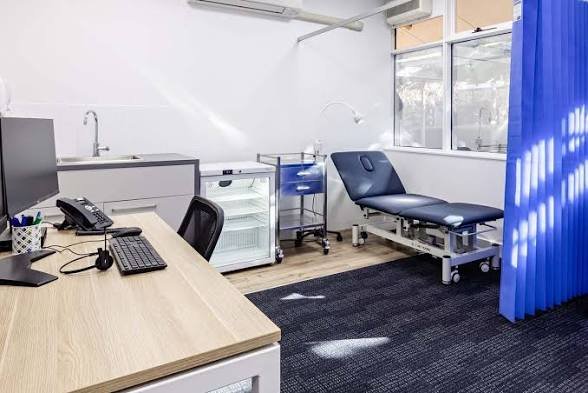
People decide how they feel about a clinic before they meet the doctor. Usually in the first thirty seconds. Maybe less.
They notice the waiting room chair with the torn corner. The reception desk where three people are trying to work in a space built for one. The harsh fluorescent light that somehow makes everything feel colder. The awkward silence while someone fills out forms standing up because there is nowhere comfortable to sit.
Tiny things. But not really tiny. This is where medical fitouts quietly do a lot of work. Not flashy work. Not the kind patients walk out talking about. But the kind that shapes trust before anyone says hello.
A good clinic can still lose confidence points because the space feels chaotic, outdated, or just… off. And sometimes the opposite happens too. A well-planned environment creates calm before treatment even begins. That first feeling matters more than people think.
The Waiting Room Starts the Conversation
Reception is not just reception. It is the emotional front door. Patients walk in carrying all sorts of things. Anxiety about results. Stress from taking time off work. A child with a fever. Someone who already hates medical appointments and would rather be literally anywhere else. Then they sit. Or stand if seating is badly planned.
Medical fitouts often begin with practical questions like layout and compliance, but the emotional side matters too. How does the space feel? Is it easy to understand where to go? Is privacy respected at the desk? Can someone sit without feeling like they are on display?
These are not luxury concerns. They affect how safe people feel. And safety is not only clinical. It is psychological too. People notice confusion fast. They notice comfort faster.
Staff Feel Bad Layout Before Patients Do
Actually, maybe staff notice it first. Because they live in it. A poorly planned treatment room means constant back-and-forth movement. Supplies stored too far from where they are needed. Doors opening into awkward corners. Reception staff trying to manage calls while patients are discussing sensitive information three feet away.
After a while, frustration becomes routine. Nobody announces it dramatically. It just shows up as slower mornings, tired conversations, and little mistakes.
Medical fitouts are often discussed as design projects, but honestly, they are workflow projects wearing a design label. If staff move better, patients feel it. Appointments run smoother. Waiting times improve. The whole place feels less tense.
Sometimes trust is built through simple things like not waiting twenty extra minutes because the room setup makes no sense. Not glamorous. Very real.
Looking “Professional” Is Not About Fancy Furniture
People hear medical fitouts and imagine expensive finishes. Designer chairs. Impressive counters. Instagram-worthy lighting. That is not really the point. ‘Professional’ does not always mean ‘expensive’. It means intentional.
Clean lines help, yes. So does quality lighting. But often it is about small practical decisions. Easy-to-clean surfaces that still feel warm. Sound control ensures private conversations stay private. Clear pathways so patients are not wandering around looking lost.
I once walked into a clinic where the signage was so confusing that three patients in ten minutes asked the same question: “Am I in the right place?”
That feeling sticks. Not in a good way. Medical fitouts should remove friction, not create it. That is the real goal.
Compliance Matters, But People Feel Atmosphere First
Of course compliance matters. Accessibility standards. Infection control. Safety requirements. Equipment spacing. Storage regulations. All of it. Necessary. Non-negotiable. But patients do not walk in thinking, wow, excellent compliance strategy. They feel atmosphere first.
They notice whether the clinic feels calm or stressful. Whether it feels cared for. Whether it feels like people thought about their experience, not just the regulations. The best medical fitouts manage both. Function and feeling.
Because healthcare spaces should not feel like cold administrative boxes people endure. They should support trust. Calm. Clarity. Especially when people are already nervous. Which, let’s be honest, is often.
Small Clinics Need Smart Thinking, Not Just More Space
A lot of clinic owners assume the problem is size. “If only we had a bigger space.” Sometimes yes. Often no. Sometimes the issue is not square metres. It is bad planning.
I have seen surprisingly small clinics feel smooth and welcoming because the medical fitouts were designed properly. And large clinics feel cramped because the layout worked against everyone.
Space can be wasted in strange ways. Dead corners. Oversized desks. Storage shoved wherever it fits instead of where it helps. Good medical fitouts ask harder questions.
How does the team move through the day? Where do bottlenecks happen? Which room creates delays? Why does everyone hate that hallway?
Very specific questions. That is where better design starts. Not with Pinterest boards. With annoyance, usually.
Privacy Is a Quiet Form of Respect
This one gets underestimated. Patients talk about personal things in clinics. Sometimes deeply personal things. Health, pain, money, family, fear.
And then they are asked to discuss appointments at a front desk where half the waiting room can hear. Not ideal.
Medical fitouts that prioritise privacy make a huge difference. Reception design, consultation room acoustics, discreet pathways, better spacing between seating areas. These details signal respect. People remember whether they felt exposed.
Especially in specialist clinics, mental health services, women’s health spaces, fertility clinics… privacy is not a bonus feature. It is part of care itself.
Sometimes trust is built by what people do not have to overhear.
Renovating While Staying Open Is Its Own Challenge
Clinic owners know this pain. You need better medical fitouts, but shutting down completely is not realistic. Patients still need appointments. Staff still need to work. Business does not politely pause for renovations. So the project becomes part construction, part survival strategy.
Temporary walls. Rearranged schedules. Noise management. Everyone apologising for dust. Messy. But manageable with the right planning. This is where experienced medical fitouts teams matter. Not just builders, but people who understand healthcare operations and know how to minimise disruption.
Because a renovation that improves the future should not destroy the present. At least ideally. Reality is never perfect, but planning helps. A lot.
Future-Proofing Saves More Than Money
Technology changes fast. Healthcare needs change faster. A clinic designed only for today can feel outdated surprisingly quickly.
Medical fitouts should think ahead. Future equipment needs. Flexible consultation rooms. Infrastructure for digital systems. Adaptable spaces that do not require full demolition every time the practice grows. It sounds less exciting than choosing finishes. It is more important.
Because rebuilding the same problem twice is expensive. Future-proofing is one of those things people appreciate later, usually while saying, “Thank God we planned for this.” Rarely dramatic. Very valuable.
Patients Feel the Difference, Even If They Cannot Explain It
That might be the simplest truth. Most patients will never say, “Excellent spatial workflow and thoughtful medical fitouts.” They will just say the clinic felt good. Comfortable. Organised. Professional. Calm. Or they will not come back.
That first impression shapes everything after it. Trust starts early. Sometimes before the appointment. Sometimes before the first word.
Medical fitouts from Juma Projects are not really about walls or cabinetry or finishes. They are about experience. They shape how care is received. How staff work. How confidence forms. And in healthcare, confidence matters.
Probably more than any waiting room brochure ever will. Because people remember how a place made them feel. Especially when they walked in already uncertain. That feeling starts somewhere. Often, it starts with the fitout.