
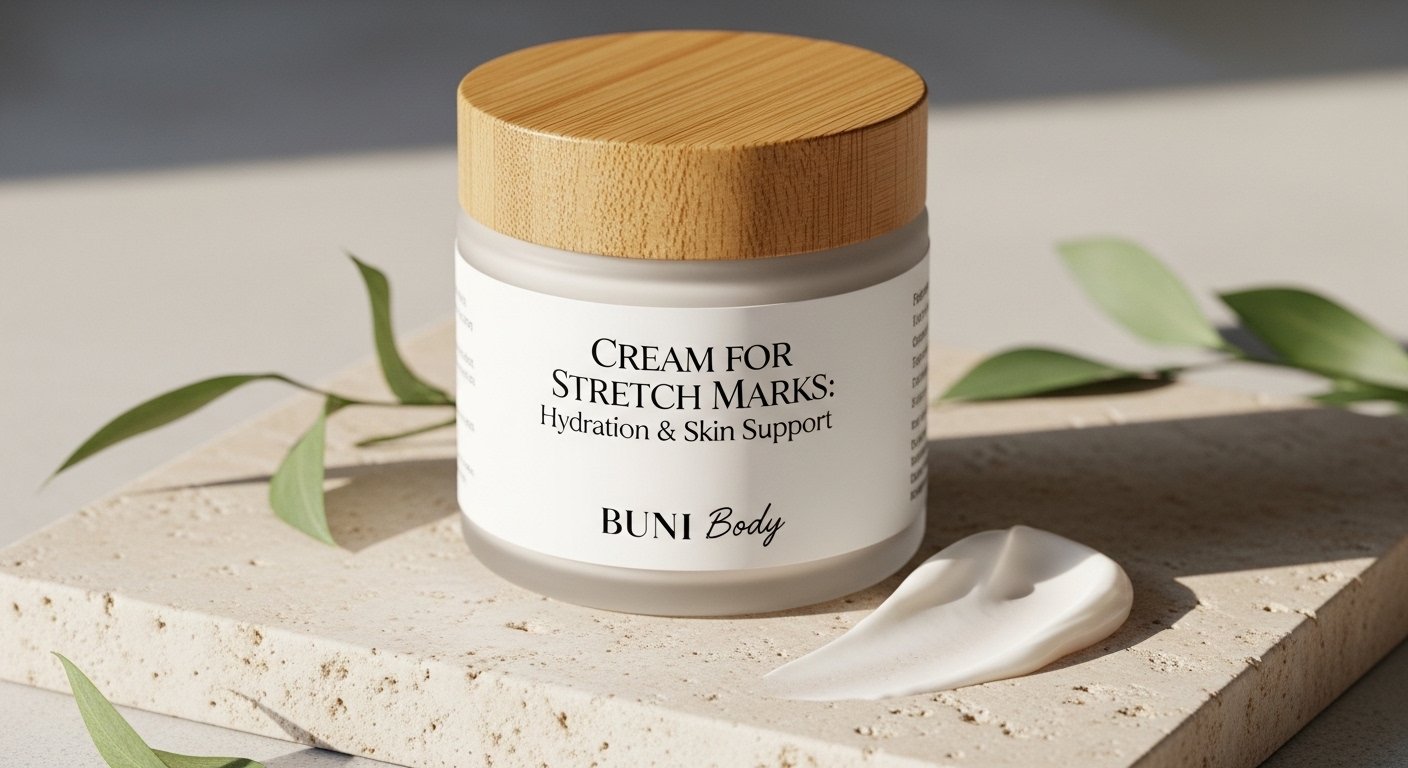
The conversation around cream for stretch marks has evolved significantly in recent years. Once viewed as purely cosmetic concerns, stretch marks are now understood as a natural part of the skin’s response to growth, hormonal changes, and shifting body composition. As awareness grows, so does demand for thoughtfully formulated skincare designed to support hydration and resilience.
Today’s consumers seek a high-quality cream for stretch marks that prioritizes ingredient integrity, gentle nourishment, and long-term consistency. Rather than looking for quick fixes, individuals increasingly value routines that emphasize skin comfort and barrier support.
Whether stretch marks result from growth spurts, weight changes, or stretch marks pregnancy, modern skincare approaches focus on hydration, elasticity support, and mindful application.
Understanding Stretch Marks Treatments in Today’s Skincare Landscape
The term stretch marks treatments encompasses a wide range of approaches, from topical moisturizers to professional procedures. However, for many individuals, daily skincare remains the most accessible and consistent method of support.
Effective stretch marks treatments typically emphasize:
• Hydration
• Skin barrier reinforcement
• Nutrient-rich botanical oils
• Gentle massage application
A well-formulated cream for stretch marks works primarily by supporting moisture retention. Hydrated skin often appears smoother and more supple, which may improve the overall appearance of visible lines.
Modern stretch marks treatments focus less on aggressive intervention and more on nurturing the skin over time. Consistency is key. Daily application can help maintain comfort and softness, particularly during periods of rapid body change.
Consumers exploring clean, intentional skincare often seek a botanical-forward cream for stretch marks that integrates seamlessly into a daily body care routine.
Addressing Stretch Marks Pregnancy with Gentle, Supportive Care
One of the most common reasons individuals search for a cream for stretch marks is stretch marks pregnancy. During pregnancy, the skin undergoes significant stretching and hormonal fluctuations. This natural process can affect elasticity and texture.
When managing stretch marks pregnancy, hydration becomes particularly important. Keeping the skin moisturized may support flexibility and comfort as the body adapts.
A thoughtful routine for stretch marks pregnancy may include:
1. Gentle cleansing
2. Application of a nourishing cream for stretch marks
3. Light circular massage
4. Consistent daily use
It is important to remember that stretch marks pregnancy is a common and natural experience. Topical skincare does not erase stretch marks, but a supportive routine may help improve the skin’s appearance and overall feel.
Many individuals prefer ingredient-conscious formulations during pregnancy, opting for botanical oils and gentle blends. Clean-label transparency often becomes a priority when selecting a cream for stretch marks for prenatal care.
Supporting Skin During Postpartum Stretch Marks
After childbirth, attention often shifts to managing postpartum stretch marks. The postpartum period involves continued hormonal shifts and skin adjustment. Maintaining hydration and nourishment can help support overall skin comfort.
When caring for postpartum stretch marks, individuals may benefit from maintaining the same consistent routine established during pregnancy. A high-quality cream for stretch marks can continue to provide moisture support as the skin gradually adjusts.
Daily application during the postpartum phase may help maintain softness and smooth texture. Gentle massage during application may also complement skincare efforts.
Just as with stretch marks pregnancy, it is important to approach postpartum stretch marks with realistic expectations. Stretch marks are a natural result of growth and change. Skincare routines aim to support the appearance and texture of skin — not eliminate it entirely.
A carefully formulated cream for stretch marks can serve as a supportive component of postpartum self-care, emphasizing nourishment rather than aggressive correction.
What to Look for in a High-Quality Cream for Stretch Marks
Choosing the right cream for stretch marks involves evaluating ingredients, texture, and usability.
An effective formulation may include:
• Nutrient-rich botanical oils
• Skin-conditioning butters
• Antioxidant-supportive ingredients
• Lightweight yet hydrating consistency
A premium cream for stretch marks should absorb comfortably without heavy residue. The goal is sustained hydration rather than surface-level coating.
Individuals exploring stretch marks treatments often prioritize transparency. Ingredient sourcing, formulation philosophy, and brand integrity play an increasingly important role in decision-making.
For those seeking botanical-forward options, products available at BUNI Body offer thoughtfully designed solutions intended to support skin hydration and comfort during periods of change.
The Role of Consistency in Stretch Marks Treatments
Consistency remains one of the most important elements of effective stretch marks treatments. Skincare results rarely occur overnight. Regular application over time may help support smoother-looking skin.
A simple routine centered around a reliable cream for stretch marks can provide structure:
• Apply after showering while skin is slightly damp
• Massage gently into affected areas
• Maintain daily use
Whether addressing stretch marks pregnancy or postpartum stretch marks, the principle remains the same: steady hydration supports overall skin appearance.
Modern stretch marks treatments emphasize patience and nourishment rather than urgency.
Setting Realistic Expectations Around Stretch Marks Pregnancy and Postpartum Care
It is important to approach both stretch marks pregnancy and postpartum stretch marks with balanced expectations. Stretch marks occur as the skin responds to stretching and hormonal changes. They are common and normal.
While no topical cream for stretch marks can completely remove them, consistent hydration may improve texture and overall appearance over time.
Education around stretch marks treatments continues to evolve. Increasingly, skincare messaging encourages acceptance and care rather than unrealistic promises.
Supporting postpartum stretch marks through gentle skincare can also serve as an act of self-care. The ritual of application itself reinforces attentiveness to the body during transitional periods.
The Future of Botanical Cream for Stretch Marks
As consumers become more ingredient-conscious, the future of cream for stretch marks will likely emphasize:
• Clean formulations
• Minimalist ingredient lists
• Plant-based oils
• Transparent sourcing
The market for stretch marks treatments is moving toward supportive, skin-first solutions rather than harsh correction methods.
Similarly, conversations around stretch marks pregnancy and postpartum stretch marks are becoming more balanced — focusing on nourishment and realistic care.
A thoughtfully chosen cream for stretch marks, applied consistently, can become part of a broader wellness routine centered on skin resilience.
Conclusion
Modern skincare has reframed how we think about cream for stretch marks. Rather than chasing immediate transformation, today’s approach emphasizes hydration, comfort, and long-term care.
From daily stretch marks treatments to supportive routines for stretch marks pregnancy and postpartum stretch marks, consistency and ingredient quality remain foundational.
Stretch marks are part of natural growth and change. With intentional care and realistic expectations, a well-formulated cream for stretch marks can help support smoother-looking, well-nourished skin over time.
Skincare, at its best, is not about perfection. It is about thoughtful care — applied steadily, patiently, and with intention.