
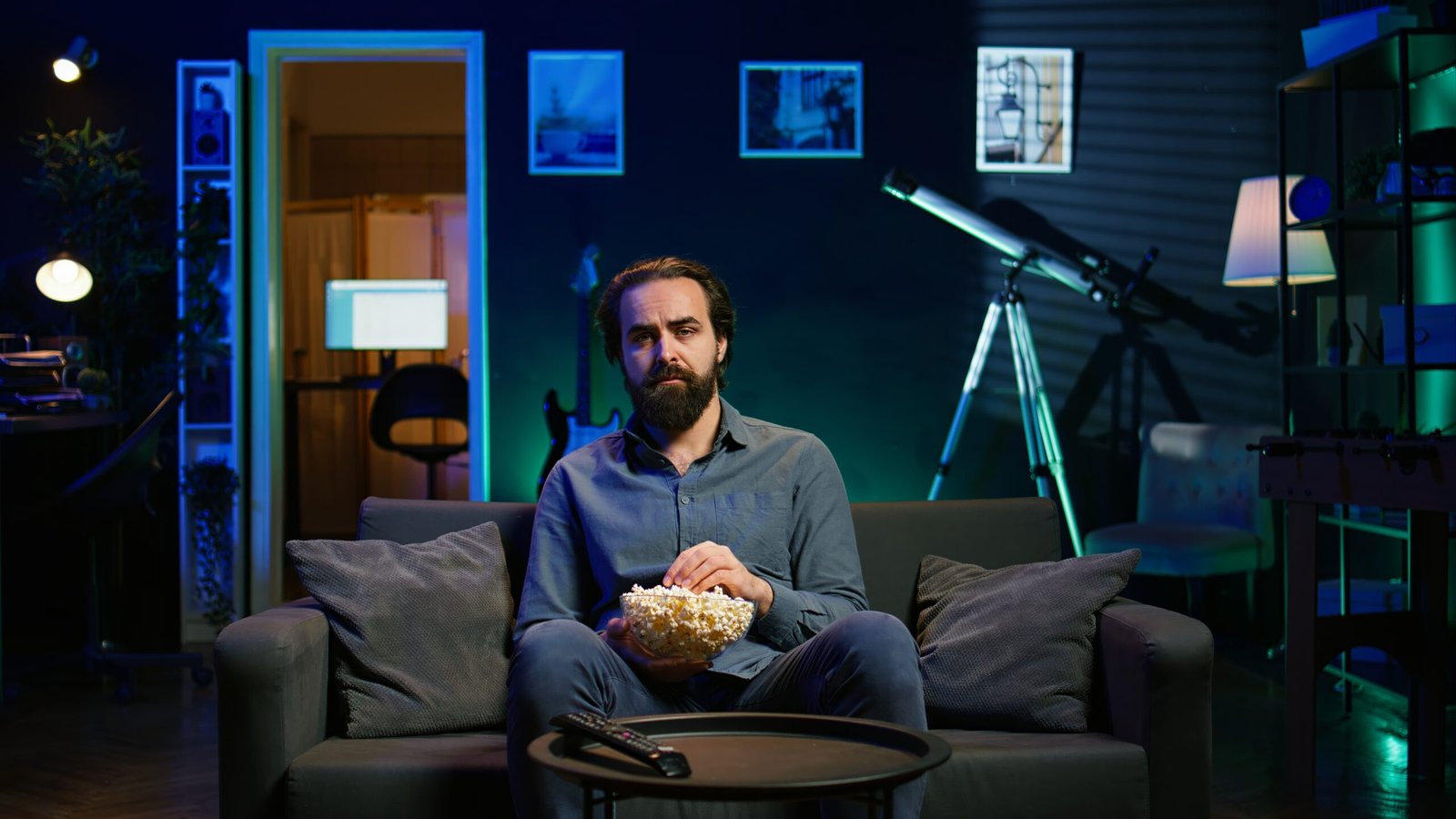
You bought the couch. You have the streaming subscriptions. But something about watching movies at home still feels flat. Like the film is playing in the background rather than pulling you in. That gap between watching a movie and actually experiencing one is exactly what a well-built home theater closes. And no, you do not need a mansion or a contractor on speed dial to do it.
This guide covers what actually matters when creating a home theater, from picking the right room to the details most people overlook until they are already knee-deep in cables.
The Room You Pick Will Either Work For You or Against You
Most people start by shopping for a TV or projector. That is backwards. The room shapes everything, and no amount of expensive gear compensates for a fundamentally difficult space.
Basements tend to win for a reason: minimal natural light, solid walls, and a natural buffer from the noise of the rest of the house. But a spare bedroom or a large living area can absolutely work. What matters more than the room type is what the room does with sound and light.
Why Room Shape and Surface Materials Are Not Just Acoustic Trivia
Square rooms are problematic. Sound bounces between parallel walls at similar frequencies, creating standing waves that make the bass inconsistent depending on where you sit. Rectangular rooms handle this more predictably.
Hard floors (tile, hardwood, laminate) reflect sound rather than absorbing it. That is fine for music but rough for film dialogue, which gets muddied by fast reflections. A thick area rug under the seating area makes a real difference without touching the speaker setup.
Before committing to a room, run through these quick checks:
- Natural light: How many windows does the room have, and can they be fully covered? Even a small light leak kills contrast on a projector.
- Adjacent noise sources: Rooms next to kitchens, laundry rooms, or exterior walls facing a busy street will fight you constantly.
- Ceiling height: Anything under seven and a half feet starts to feel compressed, both acoustically and physically. Eight feet or more gives real room to work with.
- Floor material: Carpet or a large area rug absorbs sound reflections. Bare hardwood looks great, but creates an echoey room that even good speakers struggle with.
Projector vs. Large TV: The Decision That Shapes the Whole Room
This is where how to create a home theater gets personal. Both options work. Neither is objectively better. It depends on the room, the budget, and what kind of experience is the priority.
A 4K projector with a 100-inch screen is the closest thing to replicating a commercial cinema in a private space. Brands like BenQ, Epson, and Optoma have made this accessible at price points that would have seemed impossible a decade ago. The tradeoff is that projectors need darkness to look their best. Even moderate ambient light washes out contrast noticeably.
Large-format TVs, 85 inches and above, sidestep the light issue entirely. OLED panels in particular deliver blacks that a projector simply cannot match. They are also easier to set up: mount it, plug it in, calibrate the picture settings, done. For rooms that double as living spaces where controlling light is impractical, a large TV is often the smarter call.
If Going the Projector Route, Do Not Skip the Proper Screen
Projecting onto a painted wall is a popular workaround and a consistent disappointment. The texture, even on a smooth paint job, scatters light unevenly. A dedicated projection screen reflects light the way it is designed to, with consistent gain and color neutrality.
For rooms that cannot be fully darkened, a high-gain screen helps by directing reflected light more narrowly toward the seating area rather than dispersing it around the room.
Audio Is What Separates a Big TV Setup From an Actual Home Theater
Every conversation about how to create a home theater eventually circles back to the screen. Audio deserves equal attention. Arguably more. The difference between stereo TV speakers and a proper surround system is not subtle. It is the difference between hearing a film and feeling it.
A 5.1 setup (front left, center, front right, rear left, rear right, plus a subwoofer) is the practical starting point for surround sound. Dolby Atmos adds overhead or upward-firing speakers that create a vertical dimension to the audio. During the right scenes, it is a genuinely disorienting experience in the best way.
For anyone who wants real surround sound without running speaker wire across the room, a premium soundbar with a dedicated subwoofer is a reasonable middle ground. Sonos, Sony, and Samsung all make options that punch above their visual footprint.
Speaker Placement Errors That Undermine Good Equipment
Front speakers angled away from the listening position lose half their impact. They should be aimed directly at the primary seating spot, ideally at ear height when seated. The center channel handles most dialogue and belongs directly above or below the screen, centered on the listening axis.
Rear speakers are often placed too high. They should sit at ear level when seated, or slightly above, pointed at the listeners, not at the ceiling.
Beyond speaker positioning, room treatment does more for audio quality than most people expect:
- Bass traps in room corners reduce low-frequency buildup that makes bass sound boomy and undefined.
- Acoustic panels at first reflection points (the side walls directly to the left and right of the screen) tighten dialogue clarity noticeably.
- A diffuser on the rear wall scatters sound evenly instead of sending it straight back at the listening position.
None of this requires a professional installation. DIY acoustic panels are inexpensive and effective. The improvement is audible within the first few minutes of watching something you know well.
Home Theater Seating Is Where Comfort Becomes Part of the Experience
A stellar setup loses its appeal fast if people are shifting in their seats twenty minutes into a film. Home theater seating is a category unto itself, designed specifically for long viewing sessions in a way that standard living room furniture is not.
Dedicated theater recliners from brands like Seatcraft, Octane, and Palliser are built around extended use: power recline, lumbar support, cup holders, and often USB charging ports integrated into the armrests. They are sold as individual chairs and as connected rows that can fill a room with a genuinely cinematic layout.
Row Spacing, Sight Lines, and the Platform Question
Single-row setups work cleanly for most rooms. Two rows require more planning. Without a raised platform for the back row, rear viewers end up looking at the heads of the people in front of them, which defeats the purpose entirely.
A standard riser for a second row sits between 8 and 12 inches high. The exact height depends on the seat height and the viewing angle to the screen. Getting this right before building the platform is worth the extra calculation time.
When selecting home theater seating, keep these practical points in mind:
- Row spacing: 48 inches between rows gives a noticeably more generous experience than the 36-inch minimum. People can pass without everyone having to stand, and reclining fully does not risk kneeing the row in front.
- Seat height relative to screen center: The middle of the screen should sit at or slightly above eye level when seated. Too high and necks pay the price over a two-hour runtime.
- Material choice: Leather (real or bonded) cleans easily and photographs well. Fabric and microfiber are softer and more breathable for longer sessions in warmer rooms.
Lighting That Pulls the Room Together Without Washing Out the Image
Overhead recessed lighting pointed at the screen is one of the most common and most damaging choices in home theater design. It creates glare and kills contrast on both projectors and TVs. If overhead lighting exists in the room, it needs to be indirect or directional, aimed away from the screen surface entirely.
Bias lighting, LED strips placed behind the screen, reduces eye strain during viewing and makes the image appear more vivid through contrast. Philips Hue and Govee both offer smart LED systems that can sync to on-screen content, creating a reactive glow that matches the color and intensity of what is playing.
Low-level aisle lighting along the floor perimeter lets people move through the room in the dark without breaking the atmosphere. Tied to a smart dimmer, the whole lighting configuration can shift from “normal room” to “theater mode” with one tap.
Source Quality Determines the Ceiling of the Whole System
Creating a home theater with top-tier display and audio and then streaming heavily compressed video is like buying a high-end speaker and running it off a phone call. The source matters.
4K Blu-ray is still the quality benchmark. Physical discs carry lossless audio formats like Dolby TrueHD and DTS-HD Master Audio that streaming platforms regularly compress or strip entirely. The difference is audible on a good system.
For streaming, an Nvidia Shield Pro or Apple TV 4K handles 4K HDR content well and supports Dolby Vision and Dolby Atmos across major platforms. Wired Ethernet to the media player eliminates the buffering that ruins otherwise perfect scenes. A dedicated streaming device outperforms a smart TV’s built-in apps in both performance and longevity.
Your Home Theater Does Not Have to Be Finished to Be Worth Using
Nobody has to do this all at once, and frankly, most people should not. The smartest approach when creating a home theater is to build in stages, starting with what has the biggest impact and layering in upgrades as budget and time allow.
Display and audio first. Then, room treatment and proper home theater seating. Then, lighting, source upgrades, and the finer details. Each addition compounds the last. The room gets measurably better with every stage, and there is something genuinely satisfying about watching it come together over time rather than arriving fully formed.
Whether working with a purpose-built space or adapting something shared, the fundamentals stay consistent. Control the light. Treat the sound. Invest in seating that people actually want to sit in for two hours. Use source material the system deserves.
That combination, done with some thought and patience, is what it actually means to create a movie theater at home.