
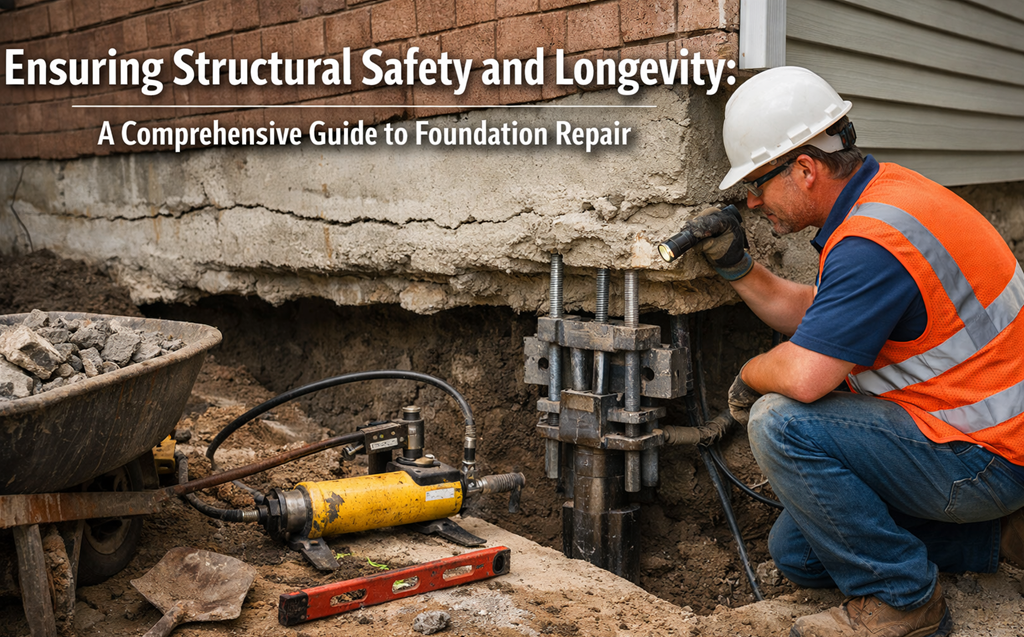
Foundations are the backbone of any home, providing the stability and support necessary for the entire structure. Over time, however, foundations can suffer damage from various factors such as soil movement, water intrusion, and poor construction practices. Recognizing the importance of maintaining a strong foundation is crucial for homeowners, as ignoring problems can lead to structural instability, costly repairs, and reduced property value. One of the most effective strategies to protect a home from foundation-related issues is timely and professional foundation repair, often paired with preventative measures such as wet basement solutions.
Understanding Foundation Damage
Foundation damage can manifest in several ways, ranging from minor cosmetic issues to serious structural problems. Cracks in walls, uneven floors, sticking doors, and gaps around window frames are often the first visible signs of foundation distress. These signs indicate that the foundation is shifting, settling, or failing to support the home properly.
There are multiple types of foundation issues that homeowners may encounter. Vertical cracks typically result from natural settling, whereas horizontal cracks often signal more serious problems caused by lateral pressure from soil. Additionally, foundation heaving, sinking, or uneven settling can lead to sloped floors, leaning walls, and misaligned doors or windows. Understanding the type and severity of foundation damage is critical for determining the most effective repair solution.
Common Causes of Foundation Problems
Several factors contribute to foundation damage. Soil movement is among the most common causes, particularly in areas with clay-rich or expansive soils. These soils expand when wet and contract when dry, creating pressure against foundation walls and causing cracks or shifts. Improper grading around the home can worsen this issue by allowing water to pool near the foundation, increasing stress on walls and footings.
Water intrusion is another major factor in foundation problems. Excess moisture can weaken concrete and soil, leading to structural shifts and cracks. Addressing water issues is essential, which is where wet basement solutions come into play. By controlling moisture levels in basements and around the foundation, homeowners can reduce the risk of structural damage and prolong the life of their foundation.
Tree roots, plumbing leaks, and poor drainage systems also contribute to foundation problems. Tree roots can exert pressure on walls, plumbing leaks can erode supporting soil, and inadequate drainage can allow water to seep under or around the foundation, creating instability. Additionally, foundations constructed with substandard materials or poor workmanship are more prone to long-term issues, emphasizing the importance of quality construction and timely maintenance.
Signs You Need Foundation Repair
Recognizing early signs of foundation damage is crucial for preventing severe structural issues. Common indicators include visible cracks in walls or floors, uneven flooring, doors or windows that stick or fail to close properly, and gaps along baseboards or molding. In basements, damp walls, water stains, or mold growth can also suggest underlying foundation problems.
Ignoring these signs can lead to significant consequences, including worsening structural damage, higher repair costs, and potential safety hazards. Prompt assessment and professional foundation repair can mitigate these risks and restore the stability of the home.
Types of Foundation Repair Solutions
Foundation repair solutions vary depending on the type and severity of the damage. Minor cracks can often be addressed with epoxy injections or polyurethane foams that seal the cracks and prevent water intrusion. These solutions are ideal for cosmetic repairs and minor structural reinforcement.
For more serious issues, underpinning or wall reinforcement may be necessary. Underpinning involves strengthening or extending the foundation to reach stable soil layers, while wall reinforcement techniques, such as steel or carbon fiber supports, stabilize bowed or leaning walls. These methods are more extensive but essential for addressing major foundation concerns.
In addition to structural repairs, preventing water damage is critical. Professional wet basement solutions can help manage moisture and keep basements dry, reducing pressure on foundation walls and preventing future cracks. These solutions may include interior or exterior drainage systems, sump pumps, dehumidifiers, and waterproof sealants. By combining structural repairs with moisture control, homeowners can address both the symptoms and causes of foundation problems.
The Importance of Water Management
Water is one of the primary threats to a home’s foundation. Excessive moisture can erode soil, weaken concrete, and create hydrostatic pressure against foundation walls. Managing water effectively is therefore a key component of any foundation repair strategy.
Wet basement solutions play a vital role in protecting the foundation from water-related damage. Interior drainage systems, sump pumps, and basement waterproofing sealants prevent water from entering the basement, reducing the risk of structural stress. Exterior drainage solutions, such as French drains or proper grading, divert water away from the foundation, helping maintain soil stability and preventing cracks or shifts. Implementing these measures alongside foundation repair ensures long-term protection and enhances the safety and usability of basement spaces.
Long-Term Consequences of Ignoring Foundation Problems
Neglecting foundation issues can lead to severe long-term consequences. Structural damage may worsen over time, resulting in uneven floors, bowing walls, and even partial foundation collapse in extreme cases. Water intrusion can promote mold growth, wood rot, and damage to furniture and finishes. Additionally, foundation problems can significantly decrease property value and make it more difficult to sell a home.
By addressing foundation problems early and implementing wet basement solutions, homeowners can avoid these costly consequences. Preventative measures protect both the structure and the living spaces within the home, creating a safer and more comfortable environment.
Preventive Measures to Protect Your Foundation
Preventing foundation problems starts with proper maintenance and proactive measures. Homeowners should ensure that the ground around the home slopes away from the foundation to prevent water accumulation. Gutters and downspouts should direct rainwater away from the home, and landscaping should avoid planting large trees too close to the foundation.
Regular inspections of the foundation and basement can help detect early signs of movement or water intrusion. Cracks, damp spots, or changes in floor level should be addressed promptly to prevent further deterioration. Incorporating wet basement solutions as a preventative measure can safeguard the basement from moisture-related damage, reduce hydrostatic pressure, and prolong the life of the foundation.
Additionally, controlling moisture levels inside the basement is critical. Using dehumidifiers, sealing basement walls, and maintaining proper ventilation can reduce humidity and prevent mold growth. Combining these steps with regular foundation inspections provides a comprehensive approach to protecting a home from structural issues.
Choosing the Right Professionals
Foundation repair is a specialized task that requires knowledge, experience, and proper equipment. Hiring qualified professionals ensures that repairs are done correctly, preventing future problems and protecting the home’s value.
When selecting contractors, look for licensed and insured professionals with a proven track record in foundation repair. A thorough assessment by a foundation expert can identify the root causes of the damage and recommend appropriate solutions. They can also advise on preventative measures, such as wet basement solutions, to protect the basement and foundation from future issues. Choosing experienced professionals guarantees that both immediate repairs and long-term protection are handled effectively.
Conclusion
Foundation repair is a critical investment for any homeowner seeking to protect their property, maintain structural integrity, and ensure long-term safety. From minor cracks to major structural shifts, foundation problems can have far-reaching consequences if not addressed promptly. Professional foundation repair, combined with preventative measures such as wet basement solutions offers a comprehensive strategy to safeguard homes from water intrusion, soil movement, and structural instability.
Implementing foundation repair and moisture management not only restores the safety and stability of the home but also enhances basement usability, protects valuable belongings, and maintains property value. Regular inspections, proper water management, and timely repairs are essential to prevent further damage and reduce long-term costs.
Ultimately, addressing foundation issues proactively ensures a secure, stable, and comfortable living environment. By investing in foundation repair and complementary wet basement solutions, homeowners can protect their property, prevent costly damage, and enjoy peace of mind knowing their home is built on a strong and reliable foundation.
