
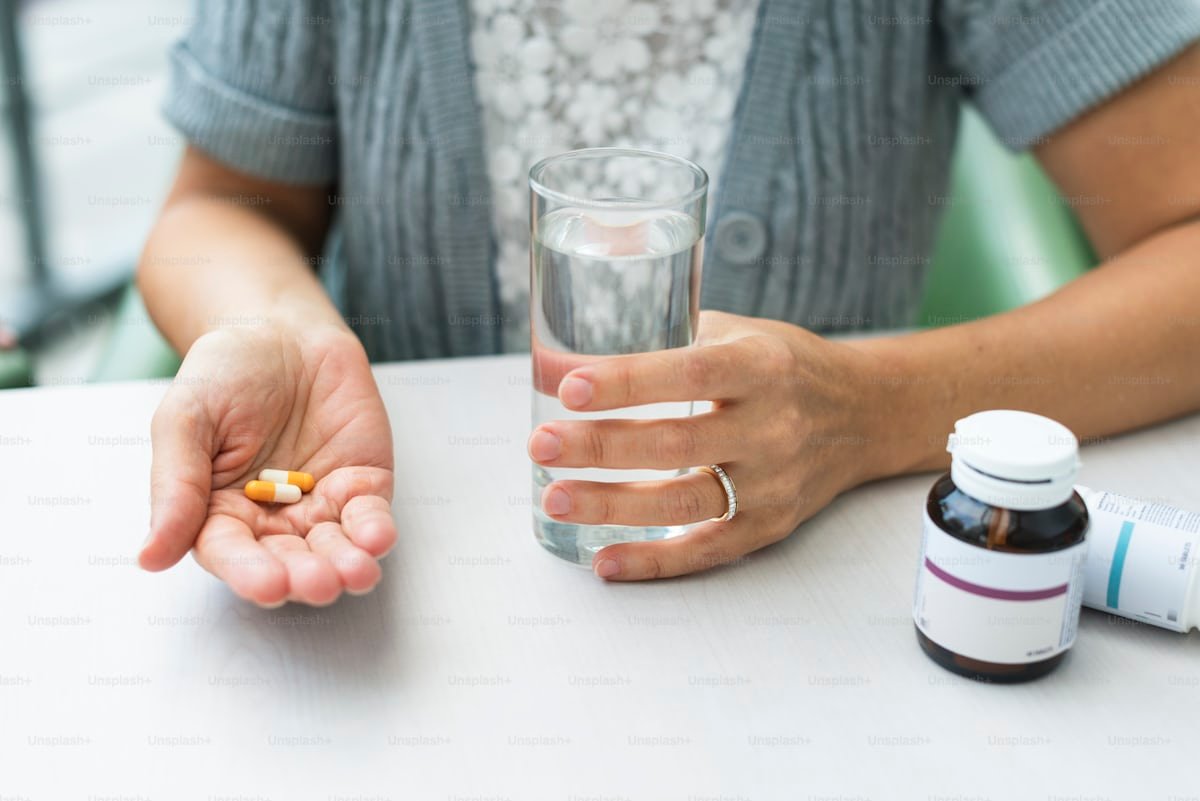
Perimenopause is one of the most physically and emotionally significant transitions a woman’s body goes through, yet it remains one of the least talked about in Pakistani households and clinics alike. It typically begins in a woman’s early-to-mid forties , sometimes even late thirties , and can last anywhere from two to ten years before menopause is officially reached. During this time, estrogen and progesterone levels fluctuate unpredictably, and the downstream effects touch nearly every system in the body: sleep, mood, bone density, heart health, skin, metabolism, and cognitive function.
What many women do not realize is that nutritional needs shift dramatically during perimenopause. The vitamins and minerals that were adequate in your thirties may no longer be sufficient to support the hormonal, skeletal, and neurological demands of this transition. This guide covers the essential vitamins for women in perimenopause, explains the science behind each one, and provides honest guidance on vitamin supplements in Pakistan , including omega 3 price in Pakistan , so you can make informed choices without guesswork.
Vitamin D3: The Hormone-Like Nutrient Every Perimenopausal Woman Needs
Vitamin D3 is not just a vitamin , it behaves more like a hormone in the body, and its relationship with estrogen makes it especially critical during perimenopause. As estrogen declines, the body’s ability to maintain bone mineral density drops sharply. Vitamin D3 works alongside calcium to ensure bones stay dense and fracture-resistant. But its role goes further than bone health. Research consistently links adequate vitamin D levels with better mood regulation, reduced hot flash frequency, improved sleep quality, and lower risk of autoimmune conditions , all of which are active concerns during the perimenopausal years.
Why Pakistani Women Are Particularly at Risk of Deficiency
Despite abundant sunshine, vitamin D deficiency is paradoxically widespread among Pakistani women. Cultural dress norms that limit sun exposure, indoor lifestyles, and darker skin pigmentation , which requires more sun exposure to synthesize equivalent vitamin D , all contribute to chronically low levels. Studies conducted in Pakistani clinical settings have found deficiency rates exceeding 70% in adult women. During perimenopause, this deficiency compounds rapidly with the estrogen-driven loss of bone density.
- Recommended daily intake during perimenopause: 1,500–2,000 IU per day (some clinicians suggest up to 4,000 IU based on blood levels)
- Best taken with a fatty meal for optimal absorption
- Pair with vitamin K2 to direct calcium into bones rather than arterial walls
- Get blood levels tested (25-OH Vitamin D test) before self-supplementing , context matters
Calcium and Magnesium: The Bone-and-Sleep Duo That Most Women Underprioritize
Calcium gets most of the attention in bone health conversations, but magnesium is the unsung partner that makes calcium work properly , and it has its own powerful role in sleep, muscle relaxation, and mood stability that becomes increasingly important during perimenopause. Estrogen decline accelerates bone resorption, meaning calcium is pulled out of bones faster than it is deposited. This process begins well before menopause, making the perimenopausal window a critical time to reinforce skeletal nutrition.
Magnesium deficiency, on the other hand, is strongly associated with the sleep disruptions and anxiety that characterize perimenopause for many women. Magnesium glycinate or magnesium threonate , both highly bioavailable forms , taken in the evening can meaningfully improve sleep onset, reduce nighttime waking, and ease the muscle tension and restlessness that fluctuating hormones produce.
Practical Dosing Guidance
- Calcium: 1,000–1,200 mg per day , prioritize food sources (dairy, fortified foods, almonds, sardines) and supplement the gap
- Magnesium glycinate: 300–400 mg in the evening for sleep and nervous system support
- Avoid calcium carbonate if possible , calcium citrate is better absorbed, especially for women over 40
- Do not take calcium and magnesium at the same time , they compete for absorption; space them by 2–3 hours
B Vitamins: Brain Fog, Mood, and Energy All Run on These
One of the most disorienting symptoms of perimenopause is cognitive fog , that frustrating sense of mental cloudiness, forgetfulness, and difficulty concentrating that many women describe as feeling unlike themselves. B vitamins, particularly B6, B9 (folate), and B12, are central to neurotransmitter production, methylation cycles, and the maintenance of myelin sheaths that protect nerve function. When estrogen declines, these pathways become less efficient, and the demand for B vitamins rises.
Vitamin B6 specifically plays a role in serotonin and dopamine synthesis, which helps explain why mood instability, irritability, and low-grade depression are so common during this phase. B12 deficiency , increasingly common after age 40 due to declining stomach acid production , can cause fatigue, numbness, and cognitive symptoms that are easily mistaken for perimenopause itself or written off as stress.
Key B Vitamins and Their Perimenopause Roles
- B6 (Pyridoxine): supports serotonin and GABA production, reduces PMS-like mood symptoms that resurface in perimenopause
- B9 (Folate): supports methylation, DNA repair, and cardiovascular health , use methylfolate form for better utilization
- B12 (Cobalamin): critical for nerve function and energy , use methylcobalamin, not cyanocobalamin, for best absorption
- B-complex supplements: a good daily B-complex covers all bases; look for methylated forms on the label
Omega-3 Fatty Acids: The Anti-Inflammatory Powerhouse for Heart, Brain, and Hormones
Omega-3 fatty acids , specifically EPA and DHA , are not technically vitamins, but they belong in every perimenopausal nutrition conversation because their impact on this life stage is profound. Estrogen has significant anti-inflammatory and cardioprotective properties. As its levels drop during perimenopause, inflammation rises, cardiovascular risk increases, and the brain loses some of its natural hormonal buffering. Omega-3s step into this gap more effectively than almost any other supplement.
EPA reduces systemic inflammation, which helps with joint pain, hot flashes, and mood instability. DHA is the primary structural fat in brain tissue and directly supports the cognitive clarity and emotional resilience that many women feel slipping during perimenopause. Studies also show that omega-3 supplementation can reduce the frequency and intensity of hot flashes, improve the lipid profile by raising HDL and lowering triglycerides, and support the cardiovascular system during a period when heart disease risk is climbing.
Omega 3 Price in Pakistan: What You Can Expect to Pay
Omega-3 supplements are widely available across Pakistan, both in pharmacies and through online platforms, but quality varies enormously. When comparing Omega 3 price in Pakistan, the most important thing to evaluate is not the price per capsule but the EPA and DHA content per serving , because low-quality fish oil products often contain filler oil with minimal active fatty acids.
- Basic fish oil capsules (local brands, 1,000 mg, 100 caps): PKR 800 – PKR 1,800 , often low EPA/DHA, variable purity
- Mid-range imported omega-3 (e.g., NOW Foods, Nature’s Bounty, 90–120 caps): PKR 3,500 – PKR 7,000
- High-potency pharmaceutical-grade omega-3 (Omega-3 Triple Strength, 60–90 caps): PKR 7,000 – PKR 14,000
- Algae-based omega-3 (plant-based, suitable for vegetarians): PKR 5,000 – PKR 10,000
- Recommended effective dose: 1,000–2,000 mg combined EPA+DHA per day , check the label, not total fish oil mg
For perimenopausal women in Pakistan, investing in a mid-to-high range omega-3 with verified EPA and DHA content is worth it. Look for products with third-party testing certifications and IFOS (International Fish Oil Standards) verification where possible. Available on Daraz.pk, NutriStore.pk, and at pharmacies in major cities.
Vitamin E: Skin, Hot Flashes, and Cellular Protection
Vitamin E is a fat-soluble antioxidant that has specific relevance during perimenopause for two main reasons. First, it protects cell membranes from oxidative damage , and oxidative stress rises during hormonal fluctuation. Second, several clinical studies have found that vitamin E supplementation (particularly mixed tocopherols) can reduce the frequency of hot flashes in women who cannot or choose not to use hormone replacement therapy. It also supports skin elasticity, vaginal tissue health, and the integrity of mucous membranes that tend to thin with declining estrogen.
How to Use Vitamin E Effectively
- Dose: 400 IU per day of mixed tocopherols (avoid synthetic dl-alpha-tocopherol; choose natural d-alpha-tocopherol)
- Take with a fat-containing meal for proper absorption
- Topical vitamin E oil can also support vaginal dryness and skin concerns directly
- Do not exceed 1,000 IU per day without medical guidance , high doses can interfere with blood clotting
Vitamin Supplements in Pakistan: How to Shop Wisely for Perimenopause Support
The market for vitamin supplements in Pakistan has grown considerably in recent years, with both local manufacturers and imported brands competing for shelf space. This is good news for accessibility , but it also means the quality range is wider than ever. Not all supplements deliver what their labels promise, and some local products use inferior forms of vitamins (like cyanocobalamin instead of methylcobalamin for B12, or dl-alpha-tocopherol instead of natural vitamin E) that have significantly lower bioavailability.
When shopping for vitamin supplements in Pakistan, whether in a pharmacy, supplement store, or online, these principles will serve you well regardless of which specific products you choose.
- Always read the form of each nutrient, not just the amount , methylated B vitamins, natural vitamin E, calcium citrate, and vitamin D3 (not D2) are the superior forms
- Imported brands with GMP (Good Manufacturing Practice) certification offer more reliable potency and purity
- Daraz.pk, NutriStore.pk, Shifa4U, and Sehat.com.pk are commonly used platforms; verify seller ratings before purchasing
- A women’s multivitamin formulated for 40+ or menopause support can cover multiple bases in a single daily dose
- Consult a physician or registered nutritionist before combining multiple supplements , interactions exist and individual needs vary
Estimated Monthly Supplement Budget for Perimenopause Support in Pakistan
- Vitamin D3 + K2 (monthly supply): PKR 1,500 – PKR 3,500
- Magnesium glycinate (monthly supply): PKR 2,000 – PKR 4,500
- B-complex (methylated, monthly supply): PKR 1,200 – PKR 3,000
- Omega-3 EPA/DHA (monthly supply): PKR 3,500 – PKR 7,000
- Vitamin E mixed tocopherols (monthly supply): PKR 1,000 – PKR 2,500
- Total estimated monthly investment: PKR 9,000 – PKR 20,000 depending on brand tier
A Final Word: Your Body Is Not Broken , It Just Has Different Needs Now
Perimenopause is not a decline , it is a transition, and the women who move through it with the least disruption are almost always the ones who take their nutritional needs seriously during this window. The symptoms that feel overwhelming , the sleepless nights, the mood shifts, the brain fog, the joint aches , have real physiological explanations, and targeted nutrition addresses many of them more effectively than most people expect.
Vitamin D3, calcium, magnesium, B vitamins, omega-3 fatty acids, and vitamin E form the core nutritional foundation for this phase of life. Understanding omega 3 price in Pakistan and the broader landscape of vitamin supplements in Pakistan means you can build a sustainable supplement routine without overspending or guessing. Start with a blood panel to identify your actual deficiencies, choose quality over price-per-pill, and approach this phase not as something to endure , but as something to actively navigate with the right tools.