
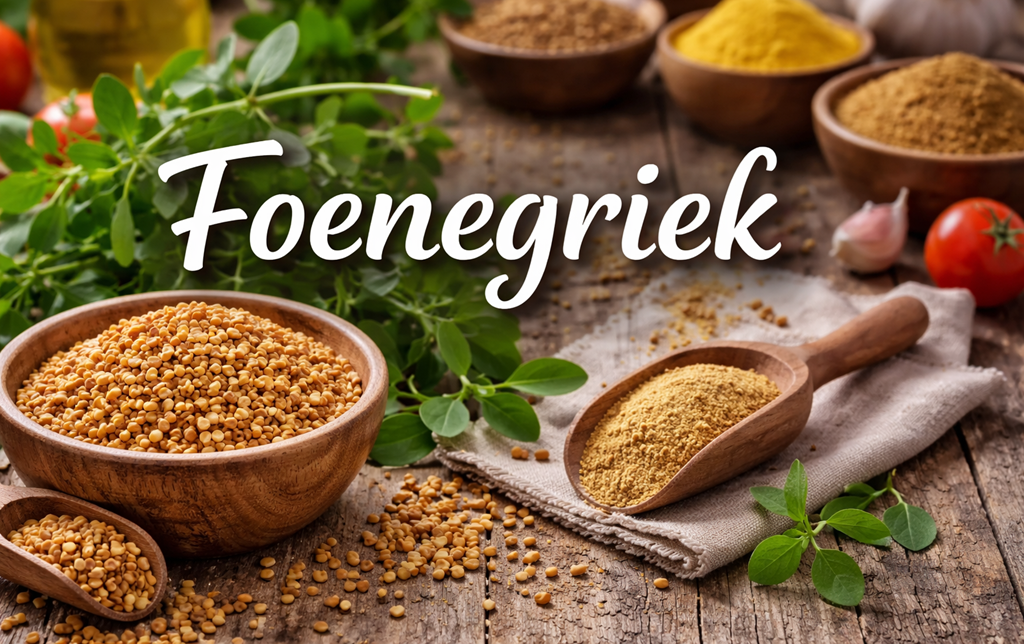
Foenegriek is the Dutch name for fenugreek, a traditional herb used in cooking for centuries. Derived from the seeds and leaves of a legume plant, it is known for its warm, slightly bitter flavor and its ability to enhance the balance of everyday meals.
Introduction
Foenegriek is the Dutch name for fenugreek, a plant that has been part of daily life for centuries rather than a recent food trend. It appears in simple meals, family recipes, and traditional practices across many regions, especially in South Asia, the Middle East, and parts of Europe.
What makes it interesting is not bold claims or dramatic effects. Its value comes from how naturally it fits into everyday routines. A small amount can change the character of a dish, making it feel warmer, fuller, and more satisfying.
What Foenegriek Actually Is
Foenegriek comes from a low-growing plant in the legume family. Two parts are commonly used:
- Seeds, which are small, hard, and yellow to brown
- Leaves, which can be used fresh or dried
The plant grows easily in warm climates and has been cultivated for generations. Historically, it was never a luxury item. People relied on it because it was available, versatile, and dependable.
Taste And Aroma: Why It Stands Out
The flavor of foenegriek is often described as warm and nutty, with a gentle bitterness and a soft sweetness underneath. When heated lightly, it releases an aroma many people compare to maple syrup or caramel.
This balance is important. Used carefully, it adds depth. Used in excess, bitterness becomes noticeable. That is why experienced cooks treat it as a supporting ingredient rather than a main one.
A simple rule helps most beginners: if you clearly taste bitterness, the amount is probably too high.
The Main Forms You Will Find
Whole Seeds
Whole seeds are the most traditional form. They are often:
- lightly toasted to release aroma
- soaked to soften texture
- added early in cooking so their flavor spreads slowly
They work especially well in lentils, vegetables, and spice bases.
Ground Fenugreek
Ground seeds blend easily into sauces and spice mixes. They are convenient but lose freshness faster, so small quantities work best.
Leaves
- Fresh leaves are cooked like leafy greens and have a mild bitterness
- Dried leaves, often called kasuri methi, are crushed and added near the end of cooking for aroma
Each form has its own role, and knowing when to use which one makes cooking easier and more enjoyable.
How Foenegriek Is Used In Everyday Cooking
Foenegriek appears most often in simple, nourishing dishes rather than elaborate recipes.
Common uses include:
- lentils, beans, and chickpeas
- vegetable dishes, especially potatoes, spinach, and cauliflower
- yogurt-based or creamy sauces
- pickles and spice blends
- flatbreads and savory doughs in very small amounts
It is usually balanced with ingredients like tomatoes, yogurt, lemon juice, or mild sweetness. This keeps bitterness in check and creates a rounded flavor.
Nutritional Qualities In Simple Terms
The seeds contain dietary fiber, plant protein, and minerals such as iron and magnesium. They also include natural plant compounds that have drawn interest over time.
From a practical perspective, most people consume foenegriek in small culinary amounts. It can support a balanced diet, but it should not be viewed as a primary source of nutrition.
Foenegriek And Health: A Balanced View
Foenegriek is often mentioned in connection with health, but it is important to stay grounded.
- Some research suggests it may support blood sugar balance in certain people
- It has a long history of traditional use for digestion and women’s health
- Claims around hormones or performance are still being studied and vary widely
The most responsible way to view it is as a supportive ingredient, especially through food, not a replacement for medical care or treatment.
Hair And Skin Use: Popular But Individual
Many people use soaked seeds or paste in home hair and skin routines. Some notice improved scalp comfort or reduced dryness, while others see no change.
Natural ingredients do not work the same way for everyone. Patch testing and moderation are always sensible steps.
Safety And Sensible Use
When used as a food ingredient, foenegriek is generally well tolerated. Concerns mainly arise with large amounts or supplement use.
Things to keep in mind:
- excessive intake may cause digestive discomfort
- high amounts are not advised during pregnancy
- it may interact with certain medications
- people with legume allergies should be cautious
If you are considering regular or concentrated use, professional advice is wise.
Buying And Storing Tips
For best results:
- choose whole seeds when possible
- store them in an airtight container away from heat and light
- replace them if the aroma becomes dull or harsh
Fresh seeds should smell warm and slightly sweet, not dusty.
Why Foenegriek Still Matters
Foenegriek has lasted through centuries because it fits naturally into real life. It improves food without demanding attention and supports tradition without exaggeration.
In a world full of bold claims and fast trends, its quiet reliability is exactly what makes it valuable.
Conclusion
Foenegriek is a reminder that not everything meaningful needs to be dramatic.
Used with care, it adds depth to everyday meals, connects modern cooking to long-standing traditions, and encourages a balanced approach to food and wellness. When you understand it for what it truly is, a supportive, time-tested ingredient, it becomes easy to appreciate why it continues to hold its place in kitchens around the world.
That understanding leaves you informed, confident, and satisfied.