
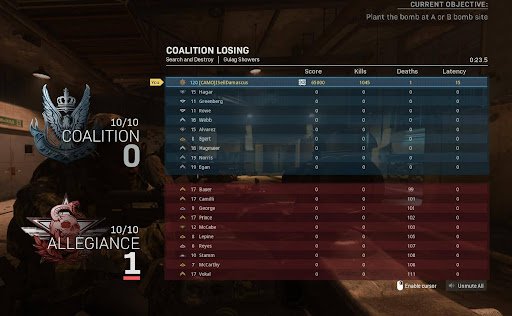
Every great player begins with simple actions repeated until they feel natural. Before highlight moments and competitive pressure, there is a quiet phase of learning where fundamentals take shape. This stage is where raw curiosity turns into structured improvement. Players learn how movement feels, how weapons respond, and how timing influences success. Progress here is not flashy, but it is meaningful. Each small improvement compounds into confidence. Mastery is never accidental; it is built intentionally through focused practice that allows mistakes to become lessons instead of setbacks.
Laying the Foundation With Core Mechanics
Strong gameplay rests on a solid understanding of basic mechanics. Movement, aiming, positioning, and awareness form the backbone of every successful match. Training environments give players the freedom to isolate these mechanics and work on them individually. Instead of juggling multiple threats, attention can be placed on one skill at a time. This focused repetition builds muscle memory and consistency. Over time, actions become instinctive rather than forced. When fundamentals are strong, advanced strategies feel accessible rather than overwhelming.
From Preparation to Brilliance
Brilliance is not born in the spotlight; it is revealed there. The work happens quietly through repetition, reflection, and refinement. Training environments teach players how to learn, adapt, and improve with intention. Skills sharpen gradually, confidence builds steadily, and understanding deepens over time. When players finally step into competitive moments, they are not hoping to perform well—they are prepared to do so. Mastery is the result of dedication, and Bot Lobbies are where that journey truly begins.
Learning the Rhythm of the Game
Every game has a natural rhythm shaped by pacing, map flow, and engagement timing. Understanding this rhythm is crucial for consistent performance. Controlled matches allow players to slow things down and observe how moments connect. Players begin to sense when to push forward and when to hold back. This awareness reduces panic and improves decision-making. Instead of reacting late, players learn to anticipate events. Mastering rhythm transforms gameplay from chaotic reactions into smooth, confident execution.
Turning Repetition Into Purposeful Practice
Repetition alone does not guarantee improvement; intention gives it value. Effective practice focuses on clear goals rather than mindless play. Players may dedicate sessions to accuracy, movement routes, or situational awareness. By repeating specific scenarios, weaknesses become visible and measurable. Progress feels rewarding because it is intentional. This approach builds discipline and patience. Purposeful repetition teaches players how to practice smarter, not just longer, laying the groundwork for long-term improvement.
Understanding Maps as Living Spaces
Maps are more than layouts; they are dynamic environments that influence every decision. Practicing in controlled conditions helps players understand spacing, sightlines, and movement options. Over time, maps feel familiar rather than confusing. Players learn where engagements are likely to occur and how positioning affects outcomes. This spatial awareness creates confidence. When players know the environment well, they move with intention instead of hesitation. Map knowledge turns navigation into strategy rather than guesswork.
Building Confidence Through Controlled Challenges
Confidence grows when players face challenges they can manage. Training modes provide scalable difficulty, allowing gradual improvement without overwhelming pressure. Each small success reinforces belief in one’s abilities. This confidence is not arrogance; it is trust built through experience. Players learn that improvement is possible with effort. Over time, fear of failure fades, replaced by curiosity and control. Confidence built in preparation carries into competitive matches, where calm decision-making becomes a natural advantage.
Sharpening Awareness and Game Sense
Awareness goes beyond reaction speed; it involves understanding what is happening before it becomes obvious. Training environments help players develop this awareness by reducing distractions. Players learn to track movement, anticipate patterns, and read situations clearly. Game sense improves as players recognize common scenarios and outcomes. This mental clarity allows quicker, smarter responses. Instead of relying on reflexes alone, players act with understanding. Awareness transforms gameplay into a thoughtful process rather than a frantic scramble.
Experimenting With Playstyles and Strategies
Finding a personal playstyle requires experimentation. Controlled matches allow players to test different approaches without consequences. Aggressive tactics, defensive positioning, or balanced play can all be explored freely. Through experimentation, players discover what feels natural and effective for them. This self-discovery is crucial for long-term enjoyment and success. Copying others may offer short-term results, but personal understanding creates lasting improvement. Experimentation fosters creativity, turning players into thinkers rather than imitators.
Translating Practice Into Competitive Readiness
The true test of preparation appears when practice meets competition. Skills developed through structured training carry over as confidence and consistency. Movements feel smoother, decisions feel familiar, and pressure feels manageable. Players are less likely to panic because they have already rehearsed similar situations. This readiness is not about perfection; it is about reliability. Prepared players trust their fundamentals even when conditions change. Practice becomes a safety net that supports performance under stress.
Why Bot Lobbies Accelerate Growth
Bot Lobbies play a critical role in bridging the gap between learning and performance. They offer a space where fundamentals can be refined without external pressure. Players can focus on improvement rather than survival, making learning more efficient. These environments encourage patience, exploration, and consistency. By revisiting Bot Lobbies throughout their journey, players reinforce skills and adapt to new challenges. Growth becomes a continuous process rather than a single phase.