
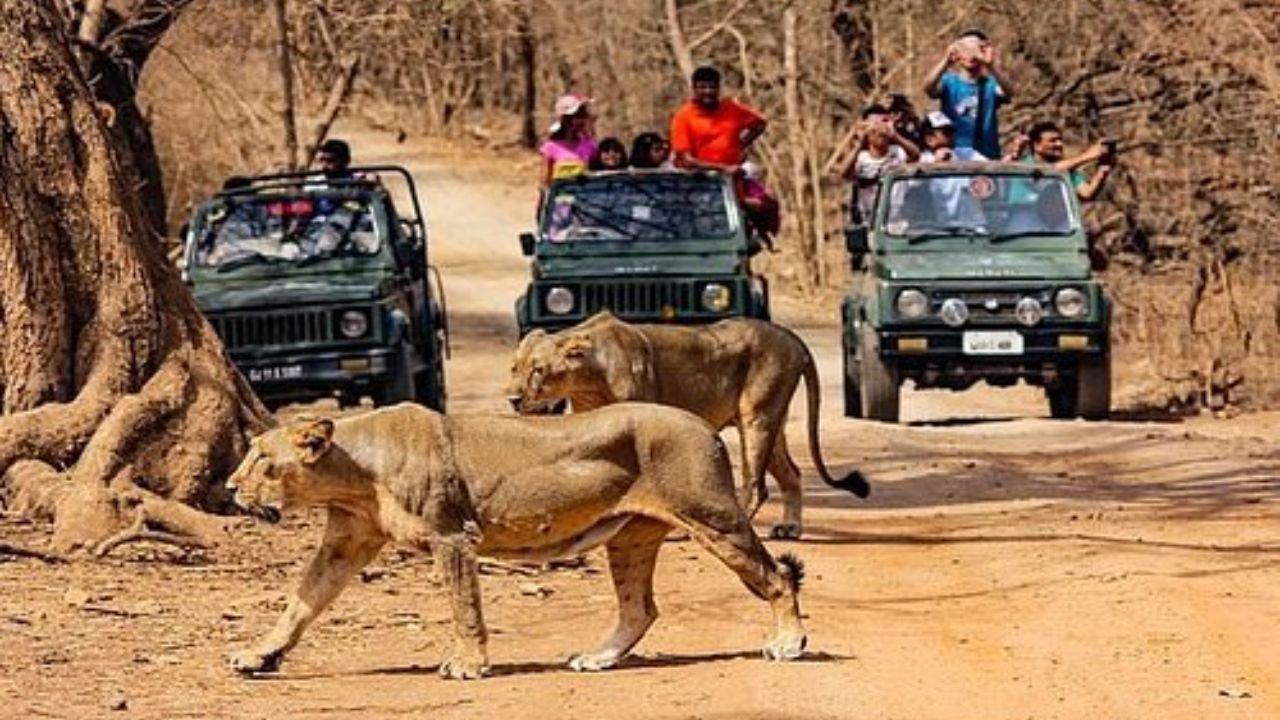
Gujarat, situated on the western coast of India, is a land where history whispers through ancient monuments, nature roars in its wildlife sanctuaries, and culture thrives in every dance, dish, and devotion. Often referred to as the “Land of Legends and Lions,” Gujarat is a treasure trove of experiences waiting to be discovered. From the majestic Asiatic lions of Gir National Park to the white salt desert of the Rann of Kutch, from the architectural marvels of ancient civilizations to vibrant tribal traditions, Gujarat Tourism promises a rich tapestry of exploration and inspiration.
The Spirit of Gujarat
Gujarat boasts an eclectic mix of nature, heritage, spirituality, and modernity. The state has something for every traveler—adventure enthusiasts, history buffs, spiritual seekers, wildlife lovers, and cultural connoisseurs. With a coastline that stretches over 1600 km, Gujarat offers some of India’s most scenic beaches, historic ports, and marine parks.
Wildlife Encounters in Gir
One of the crown jewels of Gujarat Tourism is Gir National Park, the only place in the world where you can witness the majestic Asiatic lions in their natural habitat. Located in the Junagadh district, Gir is a conservation success story and a magnet for wildlife photographers and nature lovers. The park is also home to leopards, hyenas, crocodiles, over 300 species of birds, and a range of flora and fauna.
The White Wonder: Rann of Kutch
The Rann of Kutch, one of the largest salt deserts in the world, offers an ethereal landscape unlike any other. During the full moon nights of winter, the white desert glows silver, creating a surreal experience. The Rann Utsav, a cultural extravaganza held here annually, celebrates the vibrant spirit of Gujarat with folk music, dance, crafts, cuisine, and camel rides. This is a major highlight of Gujarat Tourism and a must-visit for those looking to immerse themselves in local culture.
Heritage and History
Gujarat is home to some of India’s most significant historical and archaeological sites. The ancient city of Lothal, one of the major centers of the Indus Valley Civilization, offers a glimpse into early urban planning.
Champaner-Pavagadh Archaeological Park, a UNESCO World Heritage Site, showcases a fusion of Hindu and Islamic architectural styles.
The Sun Temple at Modhera, built by the Solanki dynasty in the 11th century, stands as a testament to the state’s rich architectural heritage. Equally mesmerizing is the Rani ki Vav in Patan, an intricately carved stepwell and another UNESCO-listed site, which reflects the brilliance of medieval craftsmanship.
Spiritual Sojourns
Gujarat is a significant spiritual destination, dotted with temples and pilgrimage sites that draw millions of devotees each year. The Somnath Temple, one of the twelve Jyotirlingas of Lord Shiva, is steeped in legend and has been rebuilt several times over the centuries after repeated invasions.
Another major spiritual site is the Dwarkadhish Temple in Dwarka, one of the Char Dham pilgrimage sites and an important center of Krishna worship. The Palitana Temples, a hilltop complex of more than 800 Jain temples, is another marvel that attracts pilgrims and architecture lovers alike.
A Cultural Kaleidoscope
One of the most vibrant aspects of Gujarat Tourism is its colorful culture. The state is famous for its traditional dances like Garba and Dandiya Raas, especially during the Navratri festival. These energetic performances, often accompanied by live music and dazzling costumes, turn cities and villages into open-air dance arenas.
Gujarat’s handicrafts—bandhani textiles, patola sarees, embroidery, and mirror work—are sought after globally. Exploring local markets and artisan villages like Bhuj gives visitors a chance to witness these crafts being created by hand and even participate in workshops.
Flavours of Gujarat
No visit to Gujarat is complete without indulging in its unique cuisine. From the sweet and tangy Gujarati thali to street food favorites like khandvi, dhokla, and fafda-jalebi, the culinary journey is as rich as the cultural one. Gujarat’s food is predominantly vegetarian and often surprises visitors with its variety and depth of flavor.
Modern Attractions and Smart Cities
Gujarat also showcases India’s rapid modernization. Ahmedabad, the state’s largest city, was India’s first UNESCO World Heritage City for its historic walled quarters and cultural vibrancy. The Sabarmati Ashram, once the home of
Mahatma Gandhi, offers a peaceful retreat into the nation’s freedom movement history.
The Statue of Unity, the world’s tallest statue, located near Kevadia, celebrates Sardar Vallabhbhai Patel, one of India’s founding fathers. The area has been developed with a tent city, jungle safari, and viewing galleries, making it a modern tourism hub.
Conclusion
Gujarat Tourism is an invitation to experience India in its most authentic, diverse, and majestic form. It’s a land where ancient civilizations meet contemporary visions, where legends echo through forts and temples, and where every journey becomes a story worth telling. Whether you’re watching a lion prowl the Gir forest, dancing under a full moon in Kutch, or tracing the steps of history in Patan, Gujarat offers a journey that captivates, educates, and rejuvenates.