
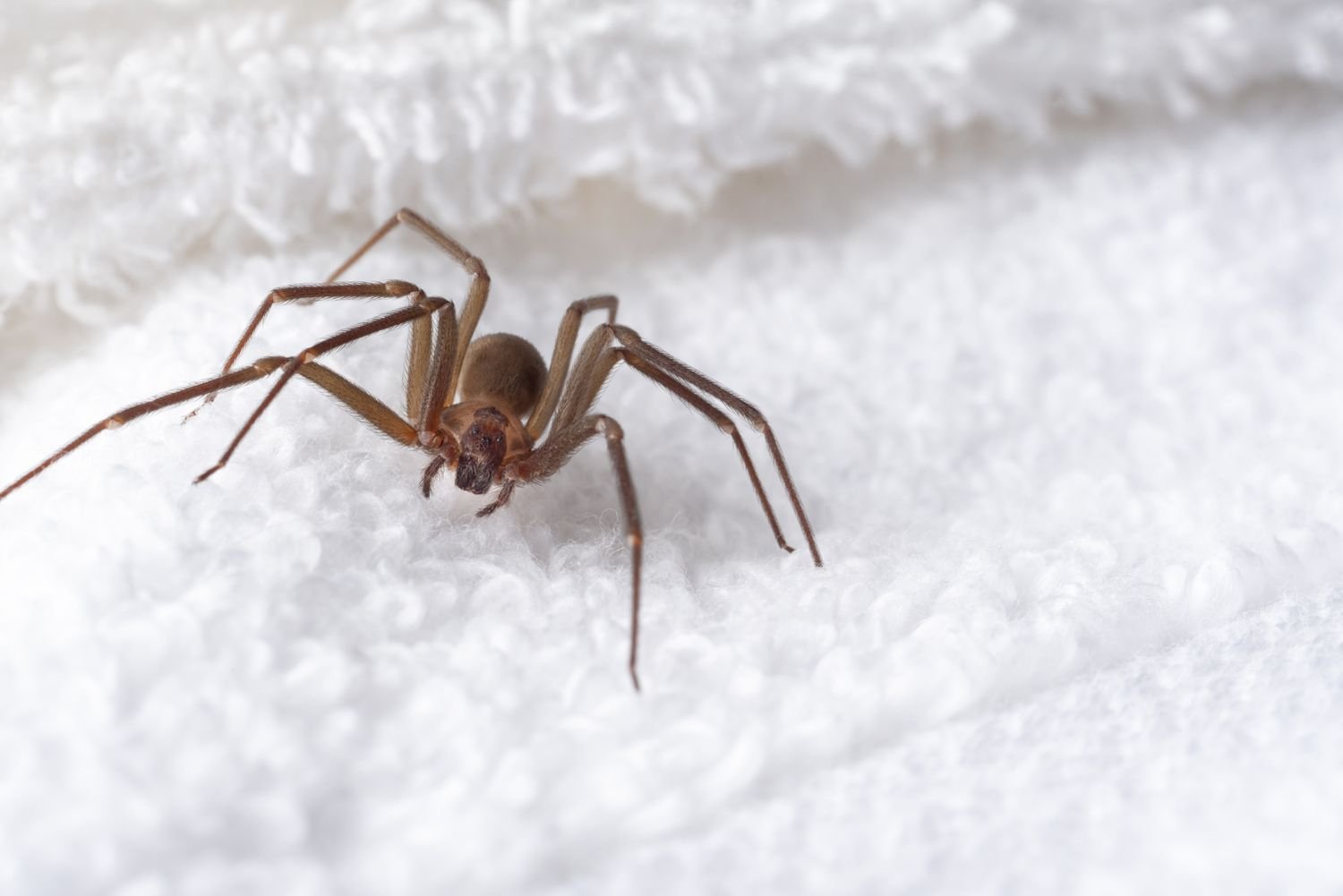
A spider web in the corner of a room or near the porch can feel unsettling. Many people notice spiders only after webs appear repeatedly in the same spots. These pests prefer quiet areas with steady access to insects. Indoor and outdoor conditions both play a role in where spiders settle. This article explains the most common spider hotspots, what attracts them, and why they keep returning. Knowing these locations helps homeowners reduce surprise encounters and maintain better control.
Many residents look into spider control in Irvine options once webs appear week after week. Homes in Irvine offer warmth, shelter, and insects that spiders depend on. Small gaps and hidden corners support steady activity. Understanding these hotspots helps homeowners respond before spiders spread further.
Corners and Ceilings Inside Living Spaces
Spiders prefer indoor areas that stay quiet and undisturbed. Corners near ceilings give them a clear view of insect movement. In homes, these spots remain warm and stable year-round. Webs form where air vents or lights attract insects. Once spiders settle, they stay unless disturbed.
Common indoor spider spots
- Ceiling corners near windows
- Behind curtains and blinds
- Spaces above cabinets
Regular cleaning helps, yet spiders return if insects remain. Awareness of these areas helps residents reduce repeat sightings indoors.
Garages and Storage Areas With Low Activity
Garages offer ideal shelter for spiders. Boxes, shelves, and stored items create dark spaces. In Irvine, garages usually stay cluttered and rarely disturbed. Spiders hide near walls and ceilings where insects gather.
Why garages attract spiders
- Low foot traffic
- Easy access from outdoors
- Insect activity near lights
Storage rooms follow the same pattern. Reducing clutter limits shelter. This step helps homeowners control spider activity before it spreads indoors.
Landscaping and Shrubs Close to the Home
Outdoor spiders settle in landscaped areas near structures. Shrubs and plants placed close to walls create shaded shelter. In Irvine yards, irrigation supports insect activity that spiders rely on. Webs appear near windows, fences, and patio covers.
Plants touching the house act as bridges. Spiders move from the yard to the structure with ease. Trimming back growth reduces access. Yard spacing helps limit spider movement around homes.
Outdoor Lighting That Draws Insects at Night
Lighting plays a major role in spider placement. Bright lights attract insects after sunset. Spiders build webs nearby to catch prey. In Irvine, this usually happens near doors and garages.
High-risk lighting areas
- Entryway fixtures
- Garage lights
- Patio and walkway lighting
Relocating lights reduces insect gathering. Softer lighting helps limit spider webs. Small changes improve comfort around homes.
Entry Points That Allow Spiders Inside
Spiders enter through small openings. Gaps around doors, windows, and vents provide easy access. In Irvine, mild conditions allow spiders to remain active for long periods. Once inside, they search for quiet nesting spots.
Sealing cracks reduces entry. Checking screens limits movement. When spiders return despite effort, spider control in Irvine supports helps address hidden access points. Early attention prevents wider indoor spread.
Spiders settle where shelter and insects remain available. Indoor corners, garages, landscaping, lighting, and entry points all play a role. Homes in Irvine face steady pressure due to climate and design. Awareness of these hotspots helps reduce surprise encounters. Simple steps limit shelter and food sources. With timely action, homeowners keep spider activity under control and maintain more comfortable living spaces.