
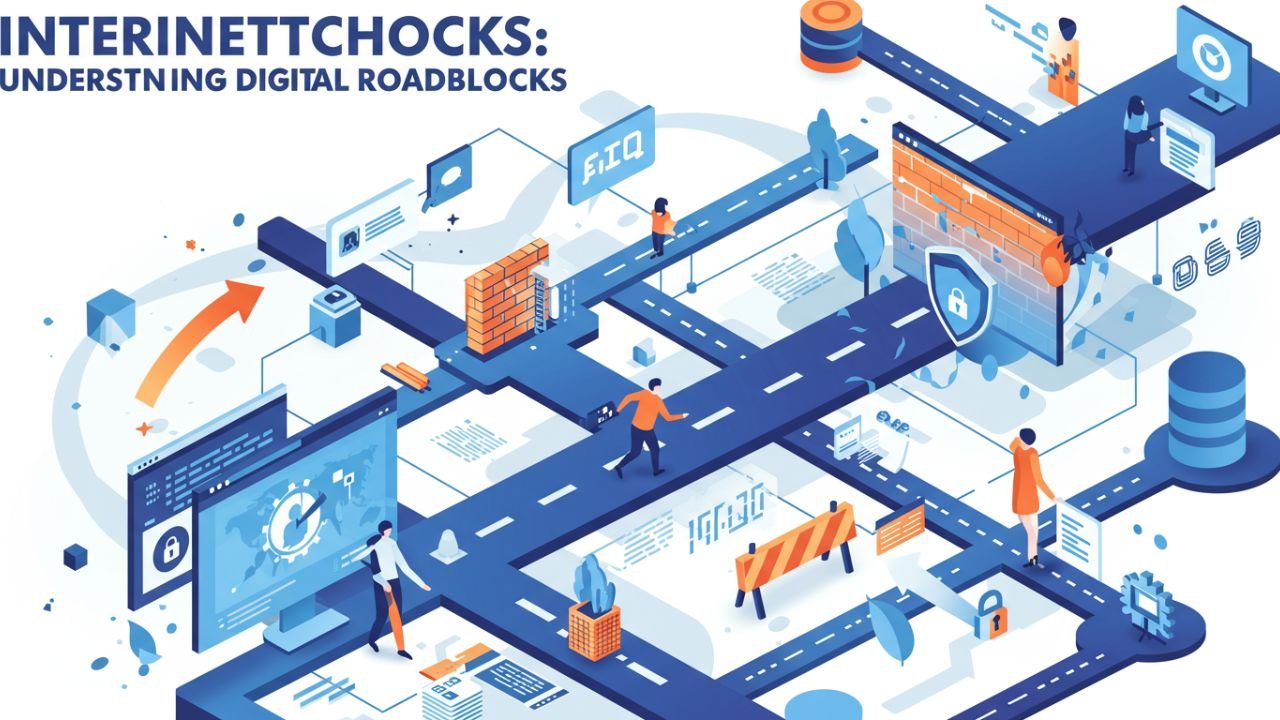
The internet has become the backbone of modern life, powering work, education, entertainment, and global communication. Yet, despite its speed and efficiency, users often encounter unexpected barriers. These disruptions are increasingly being referred to as internetchocks a term that captures the many hurdles, interruptions, and obstacles faced in digital environments.
From slow connections and overloaded servers to security risks and technical breakdowns, internetchocks highlight the “stumbling blocks” hidden behind our everyday online experience. This article dives into the concept, its causes, and how both individuals and businesses can adapt to overcome it.
What Does Internetchocks Mean?
Simply put, internetchocks represent the challenges that interfere with smooth internet usage. They can range from minor inconveniences like buffering during a video call to larger issues such as data breaches, server crashes, or nationwide outages.
Think of internetchocks as the equivalent of traffic jams on a highway — you may eventually reach your destination, but with delays and frustrations along the way.
Why Internetchocks Are Becoming More Common
The growing reliance on digital platforms means that even small disruptions can have significant impacts. With millions of users logging on daily, internet systems are pushed to their limits. Some reasons why internetchocks are more frequent include:
-
Rapid increase in remote work and online learning.
-
Heavy dependence on streaming platforms and cloud services.
-
Expanding global internet population with limited infrastructure in many areas.
-
Rising cybersecurity threats targeting both individuals and organizations.
As online demand continues to rise, so too does the likelihood of internetchocks affecting daily life.
Causes of Internetchocks
To better understand the issue, let’s look at common sources of these digital interruptions:
1. High User Traffic
Websites or apps that suddenly receive millions of visitors can crash or slow down, leading to widespread frustration.
2. Insufficient Bandwidth
When internet providers cannot keep up with peak usage times, connections slow significantly.
3. Cyber Attacks
Phishing, ransomware, and DDoS (Distributed Denial of Service) attacks can create large-scale internetchocks by bringing down systems.
4. Outdated Infrastructure
Regions with weak or outdated internet systems experience frequent disruptions, leaving users behind in the digital race.
5. Technical Failures
Power outages, hardware malfunctions, and software bugs are everyday sources of internetchocks.
Real-World Examples of Internetchocks
The impact of internetchocks can be seen across different industries:
-
E-commerce Websites: Flash sales often overwhelm servers, leading to site crashes.
-
Streaming Platforms: During global events, streaming giants sometimes lower video quality to prevent network strain.
-
Online Classes: Students face interruptions during live lectures when platforms encounter unexpected traffic.
-
Gaming Networks: Popular multiplayer games occasionally face outages during updates or launches, frustrating players worldwide.
These scenarios show that internetchocks are not isolated incidents — they affect millions simultaneously.
The Effect of Internetchocks on Businesses
For companies, internetchocks can mean much more than inconvenience. The consequences include:
-
Revenue Loss: Even a few minutes of downtime can cost e-commerce businesses thousands of dollars.
-
Customer Frustration: Users are quick to abandon services that repeatedly suffer from disruptions.
-
Brand Damage: Consistent internetchocks can harm a company’s reputation in competitive markets.
-
Increased Costs: To prevent future issues, businesses must invest in stronger infrastructure and cybersecurity.
Organizations that ignore internetchocks risk falling behind competitors that offer smoother, more reliable digital experiences.
How Users Can Reduce the Impact of Internetchocks
While no one can fully eliminate disruptions, internet users can take proactive steps:
-
Use Reliable ISPs: Choose providers with good infrastructure and customer support.
-
Keep Devices Updated: Regular updates reduce software-related interruptions.
-
Strengthen Cybersecurity: Installing firewalls and antivirus tools minimizes risks from malicious attacks.
-
Backup Plans: Mobile hotspots or alternative connections ensure continued access during outages.
-
Plan Around Peak Hours: Using heavy-data apps at off-peak times helps avoid bandwidth congestion.
Internetchocks in the Future
Technology is advancing rapidly, and with it comes both opportunities and risks. Future trends will shape how internetchocks are managed:
-
5G and Beyond: Faster networks may reduce speed-related issues but could introduce new security risks.
-
Cloud Technology: More reliable hosting services will reduce downtime but may still face large-scale outages.
-
AI and Automation: Artificial intelligence will predict and prevent server overloads, reducing digital interruptions.
-
Cybersecurity Evolution: As threats grow, stronger digital defenses will be critical to limiting internetchocks.
The key takeaway is that while internetchocks may always exist, their form and frequency will change as technology evolves.
Why Awareness of Internetchocks Matters
Understanding internetchocks is important for both individuals and businesses. Awareness leads to better preparation, smarter decision-making, and stronger digital resilience. By anticipating challenges instead of simply reacting to them, internet users can transform obstacles into opportunities for growth and innovation.
Conclusion
The term internetchocks captures the disruptions that remind us the internet, despite its speed and reach, is not flawless. These challenges affect everyone from casual users to global corporations. By identifying causes, preparing strategies, and embracing future technologies, society can minimize the impact of internetchocks and build a more reliable digital world.
In the end, internetchocks are not just obstacles but reminders that innovation and adaptation are necessary for progress in the digital era.