
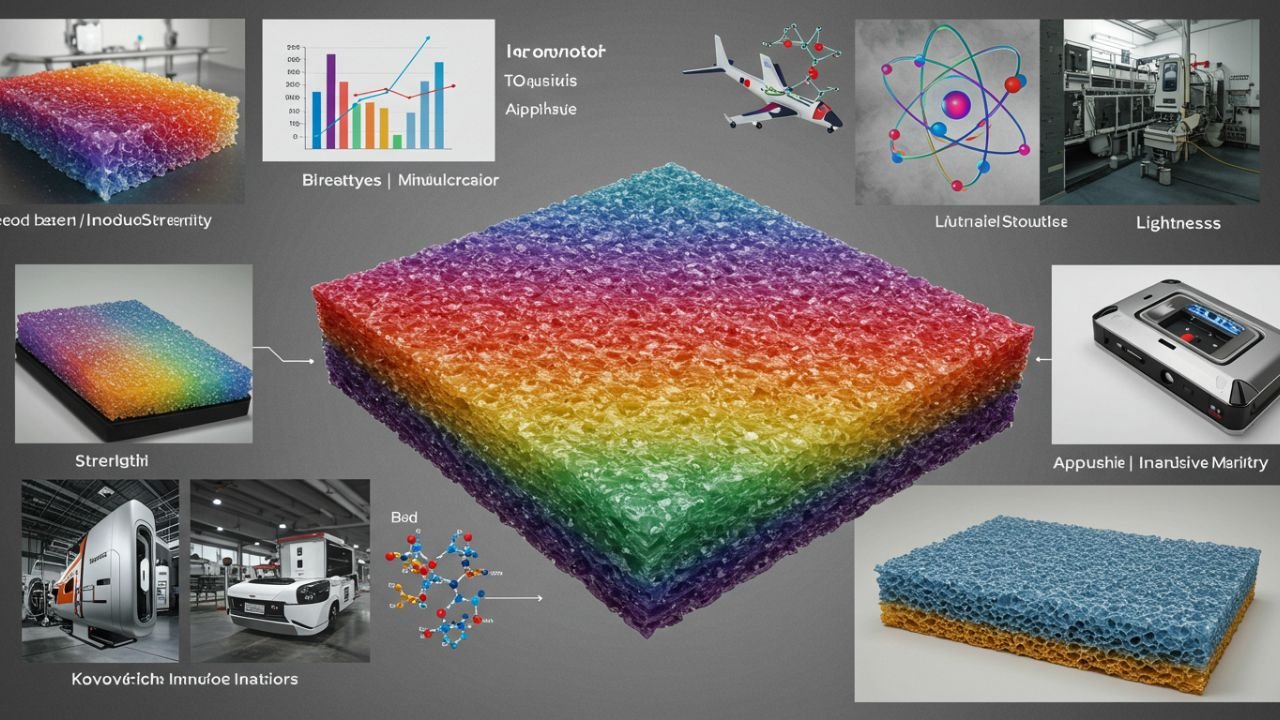
Introduction to Kovových
Kovových is not just a material; it’s a game-changer. Emerging from the depths of scientific innovation, this versatile substance has begun to reshape industries in ways we’ve only dreamed of. From manufacturing to healthcare and beyond, kovových is taking center stage as a catalyst for transformation. Imagine a world where materials are not just functional but also contribute to sustainability and efficiency this is the promise that kovových holds.
As we delve into its fascinating history and explore its remarkable benefits, you’ll discover how this cutting-edge material is setting new standards across various sectors. Join us on this journey through the innovations brought forth by kovových, and see why it’s more than just another advancement it’s revolutionizing our future.
The History of Kovových and Its Discoveries
It has a fascinating history that dates back to the early 20th century. It emerged from a series of experiments aimed at finding stronger, more versatile materials for various applications. Researchers initially stumbled upon its unique properties while exploring metal alloys. They discovered that combining certain elements yielded remarkable strength and durability.
As studies progressed, began to gain attention in scientific circles. Its potential became clearer when industries sought alternatives to traditional materials. The adaptability of Kovových made it ideal for everything from aerospace components to medical devices. By the late 20th century, innovations utilizing Kovových were making headlines regularly. Each breakthrough opened new avenues for exploration and application across multiple sectors.
Today, this material continues to inspire ongoing research and development efforts as scientists push the boundaries of what is possible with Kovových.
Benefits of Using Kovových in Various Industries
Kovových stands out in numerous industries due to its impressive versatility. This material boasts exceptional strength-to-weight ratios, making it ideal for sectors like aerospace and automotive. In construction, kovových enhances structural integrity while reducing overall weight. This leads to more efficient designs and lower transportation costs.
The technology sector also benefits. Kovových is a key player in electronics manufacturing, providing durability and heat resistance essential for high-performance devices. Additionally, the healthcare industry utilizes this innovative material in medical devices and implants. Its biocompatibility ensures safety for patients while enhancing device longevity.
The adaptability of kovových allows businesses across various fields to innovate effectively. By incorporating this advanced material into their processes, companies can achieve higher efficiency and sustainability.
Real-Life Examples of Kovových Innovations
Kovových is making waves across multiple industries with groundbreaking applications. In aerospace, engineers now use kovových for lightweight components, improving fuel efficiency and reducing emissions in aircraft. The automotive sector has also embraced this material. Car manufacturers are integrating kovových into electric vehicle batteries to enhance energy density and longevity, leading to better performance and quicker charging times.
In healthcare, That plays a vital role in the development of advanced medical devices. Surgical instruments made from this innovative material provide greater precision while being resistant to corrosion. Moreover, the construction industry has adopted kovových for creating durable yet flexible structures. Buildings utilizing this material demonstrate remarkable resilience against extreme weather conditions. These real-world examples illustrate how kovových innovations are reshaping various fields, pushing boundaries that were once thought impossible.
Future Possibilities for Kovových
The future of is bursting with potential. As researchers explore new applications, we can expect to see innovations that transform entire sectors. In the realm of healthcare, kovových could lead to advanced prosthetics and implants. These materials offer enhanced biocompatibility and durability, ultimately improving patients’ quality of life. Moreover, environmental sustainability may benefit greatly from kovových developments. With its lightweight nature and strength, it might pave the way for energy-efficient transportation solutions.
On the technological front, electronics industries are eyeing kovových for next-gen devices. Its ability to withstand extreme conditions makes it a prime candidate for durable consumer gadgets. As industries continue to adapt and innovate with this material, we’ll witness an exciting shift towards smarter manufacturing processes that prioritize efficiency and sustainability. The possibilities seem endless as creativity meets science in the world of kovových advancements.
Potential Challenges and Limitations
While is making waves across various sectors, it isn’t without its challenges. One significant hurdle lies in the cost of production. Advanced techniques and raw materials can be expensive, potentially limiting accessibility for smaller businesses. Another concern revolves around sustainability. The extraction processes for some components may not align with eco-friendly practices. As industries push for greener solutions, this could become a critical issue.
Additionally, there are technical limitations to consider. Kovových’s unique properties might not suit every application or environment perfectly. Some users may encounter difficulties in integrating it into existing systems. There’s an ongoing need for research and development. Without continuous innovation and adaptation to market needs, kovových risks becoming stagnant in an ever-evolving industrial landscape. This underscores the importance of addressing these obstacles proactively as we move forward with this promising material.
Conclusion: The Impact of Kovových on the World
The impact of on the world is undeniable. Its unique properties and versatility are reshaping industries from manufacturing to healthcare. As more businesses adopt this innovative material, we are witnessing a transformation in the way products are designed and produced.
Its not only enhances efficiency but also contributes to sustainability efforts by reducing waste and energy consumption. As research continues, new applications for will likely emerge, pushing boundaries further than ever before.
While challenges remain regarding cost and adaptability, the potential benefits far outweigh these hurdles. The future looks bright for as it paves the way for advancements that could change our everyday lives. As more industries embrace this remarkable material, its influence will continue to grow, making a key player in technological progress and innovation across multiple sectors.