
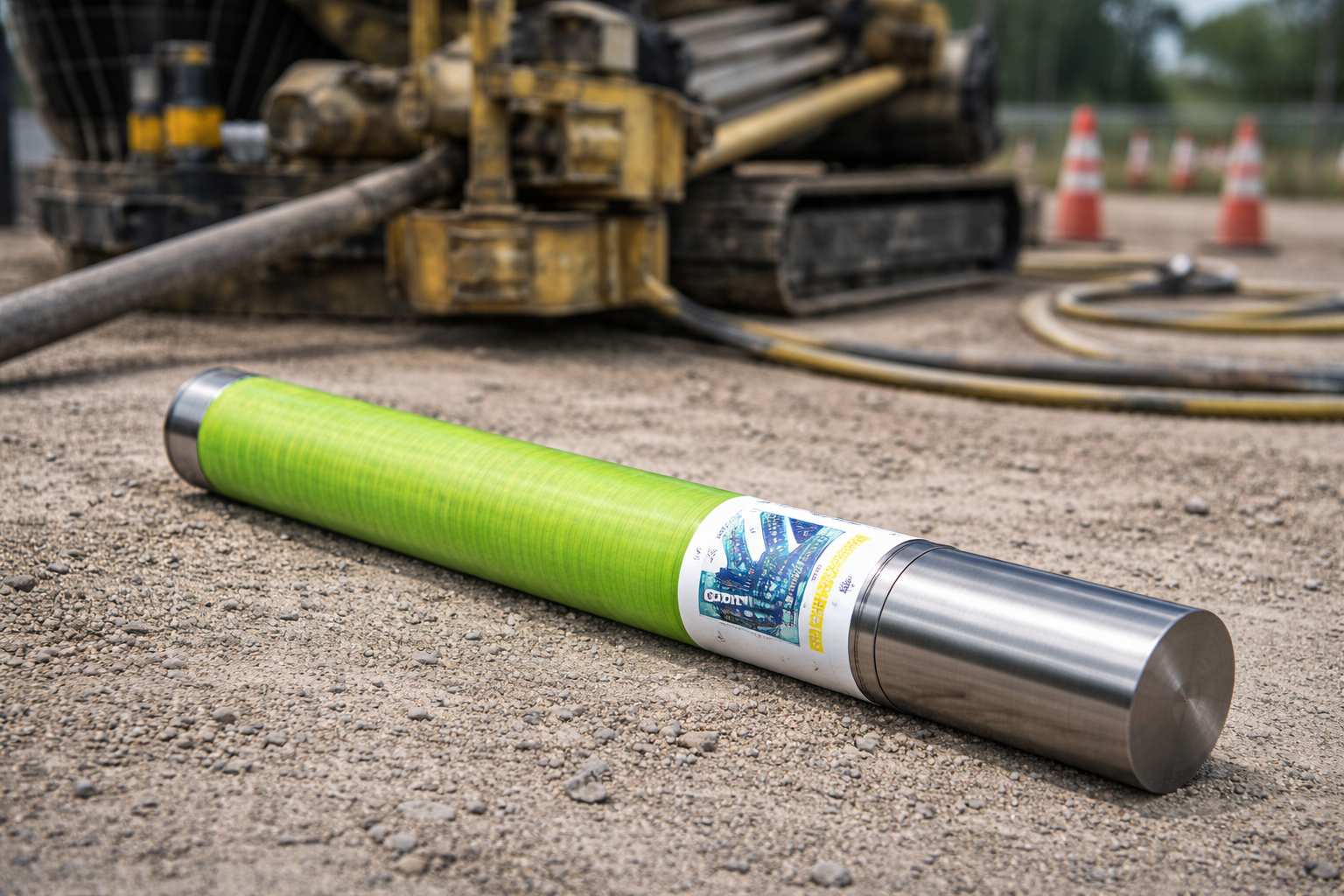
If you run a DigiTrak SE system, the ST 12 transmitter is not a side item. It is the working part that keeps the system useful in the field. Without a dependable transmitter, the locator and remote display cannot give you the information you need to drill with confidence.
That is why the choice between a new ST 12 and a refurbished one matters. On the surface, both serve the same job. Both are built for the DigiTrak SE platform. Both are meant to deliver the same core function in the bore. But in practice, the buying decision comes down to something simpler: how much certainty do you need, and how much risk are you willing to take?
For HDD contractors, utility contractors, and equipment owners, this is not a theoretical question. It affects uptime, replacement planning, and how long you can keep a working SE setup productive. A transmitter that performs well helps you keep moving. A transmitter with hidden wear can cost time, money, and trust in the field.
The good news is that the ST 12 is a known product with clear published specifications and clear maintenance points. That makes it possible to compare new and refurbished units in a practical way. The goal is not to chase hype. The goal is to buy the transmitter that fits your work, your risk tolerance, and the condition of the rest of your setup.
What the ST 12 Transmitter Is and Why It Still Matters?
The DigiTrak SE ST 12 is a standard-range transmitter built for the DigiTrak SE system only. Its published specifications are straightforward. It operates at 12.0 kHz, has 1% pitch capability, measures 15 x 1.25 inches, weighs 1.4 pounds, and has a stated depth range of up to 50 feet, or 15.2 meters. It uses either two C-cell alkaline batteries or one SuperCell battery.
Those details matter because they define the transmitter’s job and its limits. If you are shopping for an ST 12, you are not trying to compare two completely different products. You are comparing the same transmitter platform in two conditions: factory-new or previously used and restored for resale. The core specs stay the same. The real question is what condition, service life, and support come with the unit you buy.
The ST 12 still matters because many crews continue to run DigiTrak SE equipment for everyday drilling work. The SE system includes features such as predicted depth, off-track locating, left/right remote steering, and roll offset. For contractors who already own this platform and know how to use it well, replacing the transmitter can be a smart way to keep a familiar system in service instead of replacing more equipment than necessary.
That is where the buying decision becomes practical. A good ST 12 can extend the useful life of an SE system. A weak one can make the whole setup less dependable. So the value of a new or refurbished transmitter is not just in the part itself. It is in how confidently it lets you keep working.
What a New ST 12 Gives You?
A new ST 12 gives you the cleanest starting point. You know the unit matches the published specifications. You know it has not already been exposed to hard field use, overheating, poor housing conditions, water intrusion, or questionable repair work. That certainty is the main reason buyers choose new.
For a contractor who needs a primary working transmitter, that matters. A new unit removes the hidden history that comes with used equipment. You are not left wondering about the condition of the battery cap, the threads, the spring contact, the O-ring, or the fiberglass tube. You are not trying to guess whether the unit has already lived through heat stress or repeated handling problems. You start with a transmitter that should perform the way the product is meant to perform.
A new ST 12 also gives you a clearer warranty path. The manufacturer’s published warranty states that transmitters in this category carry a 90-day warranty from the date of purchase when bought new through the proper sales channel. That does not solve every possible problem, but it does make the support path more direct than it usually is with previously used equipment.
There is also a practical benefit in the field. When a new unit shows unusual behavior, you can focus first on setup, housing, and interference instead of wondering whether the transmitter itself came into service with wear already built in. That reduces guesswork. It also makes new a strong fit for crews who want the most predictable option and do not want to spend time sorting through the condition questions that come with used inventory.
What a Refurbished ST 12 Gives You?
A refurbished ST 12 gives you another path to the same platform. In the best case, it lets you keep a DigiTrak SE system working with a transmitter that has been checked, tested, and prepared for resale. That is why refurbished units remain attractive in this part of the market. Many contractors are not trying to change systems. They are trying to keep a system they already know in service.
That can make refurbishment a sensible choice. The ST 12’s published specs do not change because the unit is no longer new. It is still a 12.0 kHz transmitter built for the DigiTrak SE system. It still belongs to the same standard-range use case. If the unit has been inspected properly and represented honestly, it can do the same job the platform was designed to do.
Refurbished units can also make sense in two common situations. The first is replacement. If your existing transmitter fails and the rest of the SE setup still has useful life, a refurbished ST 12 may be the most practical way to stay operational. The second is backup planning. A spare transmitter on the shelf can reduce stress and downtime when a working unit goes down. In that role, a properly tested refurbished transmitter can be a smart fit.
But the value of refurbished depends on the quality of the refurbishment. That is the line that matters. One seller may inspect, test, and stand behind the unit. Another may use the word refurbished loosely. Since the core specs are the same, the real difference is not the label. It is the condition of the specific transmitter and the confidence the seller can give you after the sale.
The Real Risks With a Refurbished ST 12
The risks with a refurbished ST 12 are not vague. The manufacturer’s own care instructions, manual, and warranty language show where transmitters take damage in real use. Heat is one of the biggest issues. The SE manual states that the ST 12 shuts down above 183°F, or 84°C, and that its overheat indicator turns black at 220°F, or 104°C. The warranty language also makes clear that transmitters that have exceeded maximum temperature are not covered. That means a used unit’s heat history matters, even if the transmitter still powers on.
Water intrusion is another concern. The care instructions tell users to inspect the battery cap O-ring for damage that could allow water in. They also tell users to keep the spring and threads clean for solid electrical contact. These may sound like small details, but they are exactly the kind of wear points that affect reliability over time. They are also the kind of issues that may not show up clearly in a photo or a short listing description.
Housing conditions matter too. The SE manual states that housing slot design affects both range and battery life. It recommends at least three slots equally spaced around the housing, with each slot at least 1/16 inch wide, measured from the inside. The warranty also excludes problems tied to improper housing, installation, or retrieval. In plain terms, a transmitter can pick up stress long before it shows obvious failure.
This is why vague testing language is not enough. “Tested” is too broad. A serious buyer should want to know what was actually checked and what condition-related questions were answered before the unit was listed for sale.
New vs Refurbished ST 12: What Really Separates Them
| Factor | New ST 12 | Refurbished ST 12 |
| Core published specs | Clear and fixed | Same platform specs |
| Prior use history | None | Varies by unit |
| Hidden wear risk | Lowest | Higher |
| Warranty path | Clearer | Depends on seller or pre-owned program |
| Best fit | Primary unit where certainty matters most | Replacement or spare when condition is well documented |
| Buyer confidence | Highest | Depends on inspection, testing, and support |
The table shows the basic tradeoff, but the real difference deserves a closer look. New and refurbished ST 12 units are not separated by function on paper. They are separated by certainty. A new unit comes with no field history. A refurbished unit comes with a past, and the quality of that past matters.
That is why the same transmitter can feel like two very different purchases. A new ST 12 is simple. You know what it is, what it is supposed to do, and what kind of support path comes with it. A refurbished ST 12 asks more from the buyer. You need to understand how the unit was checked, how wear was evaluated, and whether the seller can explain its condition in concrete terms.
The comparison becomes clearer when you think like an equipment owner instead of a shopper. If the transmitter will be your primary working unit, certainty has more value. If the transmitter will support an older SE setup or serve as a backup, a well-vetted refurbished option may be the more practical choice. In both cases, the right decision is not about labels. It is about how much risk sits behind the label.
So the real split is simple. New buys peace of mind. Refurbished can buy value, but only when the condition is more than a promise.
Which One Is Worth Buying for Most Contractors?
For many contractors already running a DigiTrak SE system, a refurbished ST 12 is often the more practical choice. The reason is simple. If the rest of the system still works well, replacing the transmitter can be a targeted way to keep the setup productive. In that situation, a properly tested refurbished unit may give you exactly what you need without overcomplicating the purchase.
That does not mean refurbished is automatically the better buy. It means refurbished can be the better fit when the seller has done enough to remove guesswork. The unit should be clearly identified, tested in a meaningful way, and sold with clear support terms. When those pieces are in place, refurbished can be a sensible solution for keeping an SE system on the job.
A new ST 12 becomes the better buy when the cost of uncertainty is higher than the benefit of saving money. If the transmitter will be the main working unit on active jobs, or if your team cannot afford extra troubleshooting or downtime, the cleaner history of a new unit may be worth more than the difference in purchase type. New also makes sense for buyers who prefer the most direct support path and the least amount of condition-related risk.
So the answer is not the same for every crew. If you want the safest path and the fewest unknowns, new has the stronger case. If you want to keep a working SE system going and the refurbished unit has been honestly evaluated, refurbished may be the better value. The smart choice depends on how critical the transmitter is to your operation and how much uncertainty you can afford.
What to Check Before You Buy?
No matter which route you choose, the smartest buyers focus on the details that affect real field performance. Start with compatibility. Make sure the transmitter is the ST 12 made for the DigiTrak SE system. A mismatch wastes time and money and does nothing to solve the problem you were trying to fix.
If you are considering a refurbished unit, ask direct questions. Ask how the transmitter was tested. Ask whether signal stability was checked. Ask whether pitch and roll function were verified. Ask about the condition of the battery cap, the spring, the threads, and the O-ring. Ask whether the temperature indicator was inspected. These are not minor points. They are the same wear and maintenance areas the manufacturer highlights in its own documents.
It also helps to ask what kind of warranty or return policy comes with the unit. The manufacturer’s published warranty for factory-tested pre-owned products is shorter than the new-product warranty, which makes seller support more important on the resale side of the market. A clear answer tells you more than a polished listing ever will.
Most of all, match the transmitter to the job you need it to do. If it will be your main working unit, be stricter. If it will serve as a backup or help extend the life of an older SE setup, a well-checked refurbished unit may be exactly the right move. Either way, the goal is the same: buy the transmitter that gives you confidence when the job starts.
If you are sorting through ST 12 options now, UCG HDD can help you cut through the guesswork and find a transmitter solution that fits your DigiTrak SE setup and the way you actually work.
h
no