
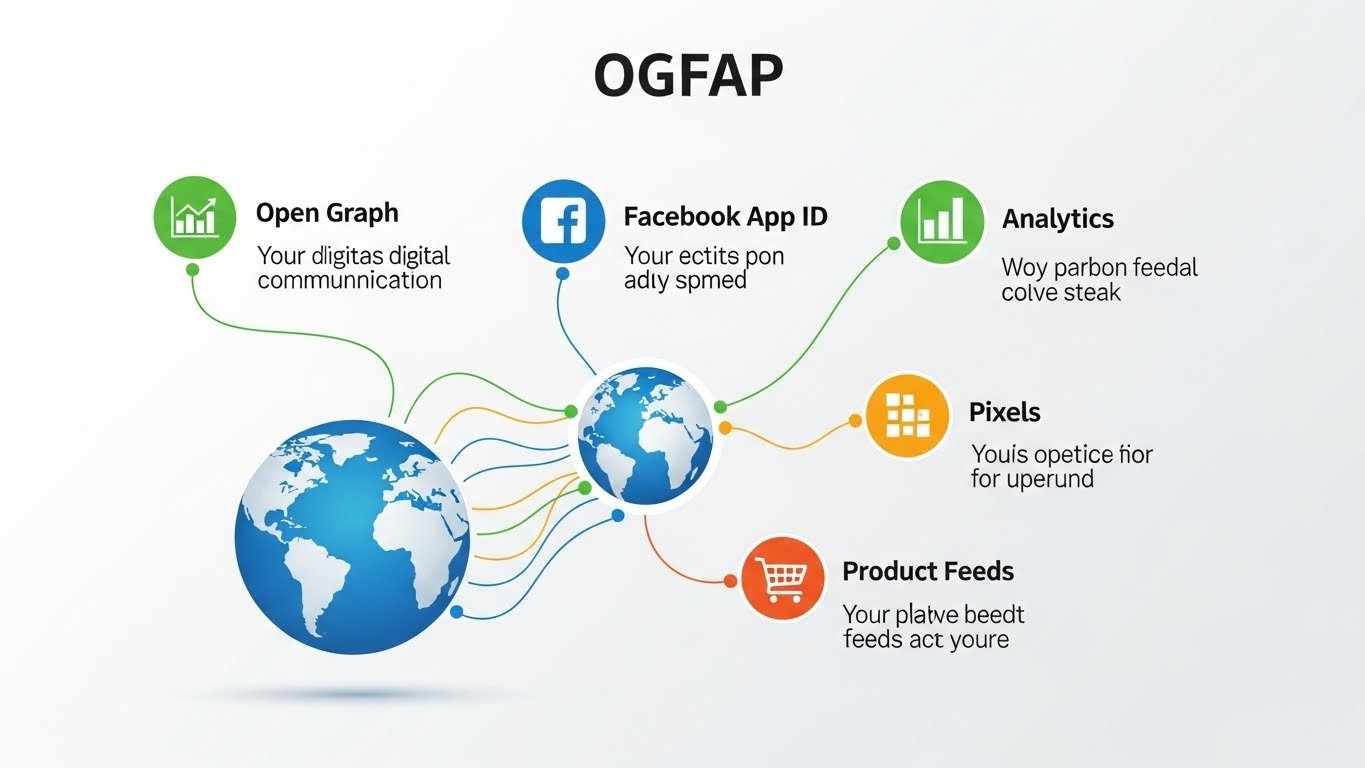
Introduction to OGFAP (Open Graph for Accessibility Project)
In today’s digital landscape, accessibility plays a crucial role in connecting people across various platforms. But how do we ensure that everyone can engage with online content? Enter the Open Graph for Accessibility Project (OGFAP). This innovative initiative aims to make digital communication more inclusive by enhancing the way information is shared and consumed.
As our world becomes increasingly reliant on technology, understanding OGFAP is essential. It not only addresses the needs of those who face barriers when accessing online content but also enriches everyone’s experience in the digital realm. Join us as we dive deeper into what OGFAP is all about and explore its transformative potential in making communication accessible to all.
The Importance of Digital Communication Accessibility
Digital communication is at the heart of our interactions today. However, not everyone experiences it the same way. Accessibility in this realm ensures that all users can engage with content meaningfully. Consider individuals with disabilities who might struggle to navigate a website or app designed without them in mind. Their voices deserve to be heard, and accessibility makes that possible.
Moreover, accessible digital communication broadens audience reach. Businesses that prioritize inclusivity tap into diverse user bases, enhancing engagement and loyalty. It also fosters innovation; when developers focus on accessibility features, they often create solutions that benefit everyone. In an increasingly digital world, recognizing the importance of accessibility isn’t just ethical it’s essential for effective communication across various platforms.
How OGFAP Works
OGFAP, or the Open Graph for Accessibility Project, operates by enhancing how digital content is shared across social platforms. It uses structured data to provide clear context about web pages. When a link is shared, OGFAP ensures that accessible metadata accompanies it. This metadata includes descriptive titles and summaries that are easy to understand for all users.
The project utilizes semantic HTML elements to enhance screen reader compatibility. By incorporating ARIA (Accessible Rich Internet Applications) attributes, it improves interaction with dynamic content. Developers can embed OGFAP tags into their websites effortlessly. This guarantees that every piece of content is presented in an inclusive manner.
As a result, information becomes more approachable for individuals with disabilities while maintaining its engagement level for everyone else. The overall experience benefits from clarity and coherence in communication through OGFAP’s implementation.
Benefits of Using OGFAP in Digital Communication
Using OGFAP in digital communication brings numerous advantages. First, it enhances accessibility for users with disabilities. By implementing structured data, websites can provide richer experiences for everyone. Another key benefit is improved engagement. When content is more accessible, a broader audience can interact with it. This leads to increased traffic and higher retention rates.
Additionally, using OGFAP helps boost SEO performance. Search engines favor accessible sites that follow best practices, which can improve rankings over time. Furthermore, OGFAP fosters inclusivity within the digital space. It encourages developers to think beyond traditional design norms and consider diverse user needs.
It streamlines content sharing across social platforms by providing clear metadata about visual elements and descriptions. This results in better representation of your brand online while making sure everyone can participate fully in the conversation.
Common Misconceptions about OGFAP
Many people assume that OGFAP is only relevant for web developers. This belief overlooks its importance to content creators and marketers who want their messages to reach a wider audience. Another misconception is that implementing OGFAP requires extensive technical knowledge. In reality, many tools simplify the integration process, making it accessible even for those with minimal coding experience.
Some may think OGFAP focuses solely on visual accessibility. However, it encompasses various aspects of digital communication, including audio descriptions and alternative text for non-visual media. There’s a notion that using OGFAP is merely about compliance with regulations. While adhering to guidelines is essential, the true value lies in enhancing user experience across diverse platforms. Embracing these features enriches digital interactions rather than just ticking boxes on a checklist.
Successful Examples of OGFAP Implementation
Several organizations have successfully implemented OGFAP, showcasing its potential in enhancing digital communication. One notable example is a leading e-commerce platform that integrated OGFAP to improve accessibility for users with disabilities. By embedding Open Graph metadata tailored for assistive technologies, they made product descriptions more informative and navigable.
Another case involves a popular news website adopting OGFAP to enrich the experience of visually impaired readers. The site utilized structured data to ensure headlines and images were appropriately described, allowing screen readers to convey information seamlessly. Educational institutions have also embraced OGFAP. A prominent university revamped its online resources by incorporating accessible tags into course material links, making it easier for all students to engage with content regardless of their abilities. These implementations highlight how effective OGFAP can be when applied thoughtfully across various sectors.
Conclusion and Future Implications
As we look ahead, the role of OGFAP in digital communication becomes increasingly significant. The emphasis on accessibility continues to grow, reflecting a broader societal commitment to inclusivity. By integrating OGFAP into your digital strategies, you can ensure that everyone has equal access to information and services.
With technology evolving rapidly, staying informed about tools like OGFAP is essential for anyone involved in digital communication. This project not only enhances user experience but also fosters a more inclusive internet environment where all voices matter.
As organizations adopt these practices, we can expect positive changes across various platforms and industries. Embracing accessibility isn’t just beneficial; it’s necessary for building a cohesive community online. Preparing now means being ready for future advancements and challenges in our interconnected world. Consider how you might implement OGFAP principles in your work or projects moving forward—your efforts could make a lasting impact on many lives.