
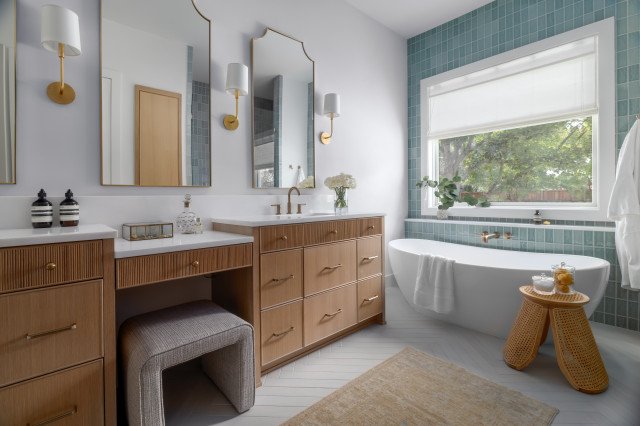
So, you’ve decided to remodel your bathroom in New York City. It’s an exciting project that promises to transform a purely functional space into a personal sanctuary. But NYC renovations come with a unique set of challenges that can quickly turn a dream project into a costly ordeal. From navigating complex building regulations to making the most of limited square footage, there’s a lot to consider.
Many homeowners dive into a bathroom remodel with visions of spa-like showers and designer vanities, only to find themselves tangled in unexpected delays and budget overruns. The good news is that many of these issues are preventable. By understanding the common pitfalls specific to renovating in a city like New York, you can ensure a smoother, more successful project.
This article highlights the most frequent mistakes people make when remodeling their NYC bathrooms. Learning from the missteps of others will help you plan effectively, avoid common headaches, and create a beautiful, functional space that adds real value to your home.
Overlooking Co-op or Condo Board Rules
One of the biggest hurdles in any NYC renovation is dealing with building management. Whether you live in a co-op or a condo, there will be a specific set of rules—often called alteration agreements—governing what you can and cannot do. Ignoring these at the outset is a recipe for disaster.
Many boards have strict requirements regarding:
- Work Hours: Most buildings limit construction to weekdays, typically from 9 a.m. to 5 p.m., to minimize disruption to other residents.
- Contractor Insurance: Your contractor will need to provide proof of adequate liability and workers’ compensation insurance, often with the building named as an additional insured party.
- Material and Debris Removal: There are often designated service elevators and specific protocols for transporting materials and disposing of construction waste.
- Plumbing and Electrical Work: Some buildings require you to use their pre-approved plumbers or electricians, or have specific rules about moving plumbing lines. Changing the location of a toilet or shower, for example, might be prohibited.
Failing to get the necessary approvals before work begins can result in hefty fines, stop-work orders, and even legal action from your building’s board. Always start by obtaining a copy of your building’s alteration agreement and reviewing it with your contractor to ensure your plans are compliant.
Underestimating the Project Timeline
In a perfect world, a bathroom remodel might take a few weeks. In New York City, it’s wise to double that estimate. Timelines are often stretched by factors largely outside your control.
The approval process alone can take several weeks, or even months, as you submit your plans to the board and wait for their review. Once work starts, unexpected discoveries, like old plumbing that needs replacing or hidden water damage, can cause delays. The logistics of getting materials delivered in a city with tight streets and limited parking also add to the timeline.
A realistic approach is essential. Talk to your contractor about a detailed project schedule that includes buffer time for potential delays. This helps manage your own expectations and allows you to plan accordingly, especially if the bathroom being remodeled is your only one.
Failing to Design for a Small Space
Space is the ultimate luxury in New York City, and most bathrooms reflect that reality. A common mistake is trying to cram too many features or oversized fixtures into a compact bathroom, resulting in a space that feels cramped and dysfunctional.
Effective small-bathroom design is about creating the illusion of space and maximizing every square inch. Consider these strategies:
- Wall-Mounted Fixtures: A wall-mounted toilet and vanity can free up floor space, making the room feel larger and easier to clean.
- Glass Shower Doors: Instead of a shower curtain, a clear glass enclosure allows light to flow through the room, creating a more open feel.
- Large Mirrors: A large, well-placed mirror can reflect light and visually double the size of the room.
- Strategic Storage: Built-in shelving, medicine cabinets recessed into the wall, and clever vanity solutions are crucial for keeping clutter at bay.
Think vertically. Utilize wall space for storage to keep countertops and floors clear. Every design choice should prioritize both aesthetics and functionality within the given constraints.
Choosing the Wrong Materials for the Environment
Bathrooms are high-moisture environments, and the materials you choose need to be able to withstand constant exposure to water and humidity. Opting for materials based on looks alone, without considering their durability, is a mistake that can lead to mold, mildew, and water damage.
For flooring, materials like porcelain or ceramic tile are excellent choices due to their water resistance. If you love the look of wood, consider luxury vinyl tile (LVT) that mimics wood grain but offers superior durability in a wet environment.
When it comes to walls, use paint with a satin or semi-gloss finish, which is more resistant to moisture than matte paint. For shower surrounds, large-format tiles mean fewer grout lines to clean and maintain. Also, ensure your contractor installs a proper waterproofing membrane behind your shower tiles and a high-quality exhaust fan to manage humidity effectively.
Hiring an Unqualified Contractor
Perhaps the most critical mistake you can make is hiring the wrong person for the job. In NYC, you need a contractor who is not only licensed and insured but also has extensive experience navigating the specific challenges of renovating in the city.
An experienced NYC contractor will understand the intricacies of co-op board approvals, know how to work within tight spaces, and have established relationships with reliable suppliers and subcontractors. They can anticipate potential problems and manage the project efficiently.
Before hiring, do your due diligence:
- Check for a valid license from the NYC Department of Consumer and Worker Protection (DCWP).
- Ask for and check references from previous clients, preferably for projects similar to yours in NYC.
- Review their portfolio to see the quality of their work.
- Get a detailed, written contract that outlines the scope of work, timeline, payment schedule, and total cost.
A cheaper bid is not always better. Investing in a qualified, reputable contractor is the best way to protect your investment and ensure a high-quality result.
Your Path to a Perfect Bathroom
Bathroom remodeling in NYC is a transformative investment that can elevate both your lifestyle and your property value. Remodeling a bathroom in New York City is complex, but avoiding common mistakes ensures success. By planning carefully, understanding building regulations, designing for your unique space, selecting high-quality materials, and working with an experienced professional, you can create a bathroom that is not only beautiful but also built to last—enhancing your daily life while adding significant value to your NYC home.
Contact Info
Name: JSM Custom Remodels
Address: 205 Hudson St #730, New York, NY 10013
Phone: +13473055961
Email: info@jsmcustomremodels.com
Website: https://jsmcustomremodels.com/