
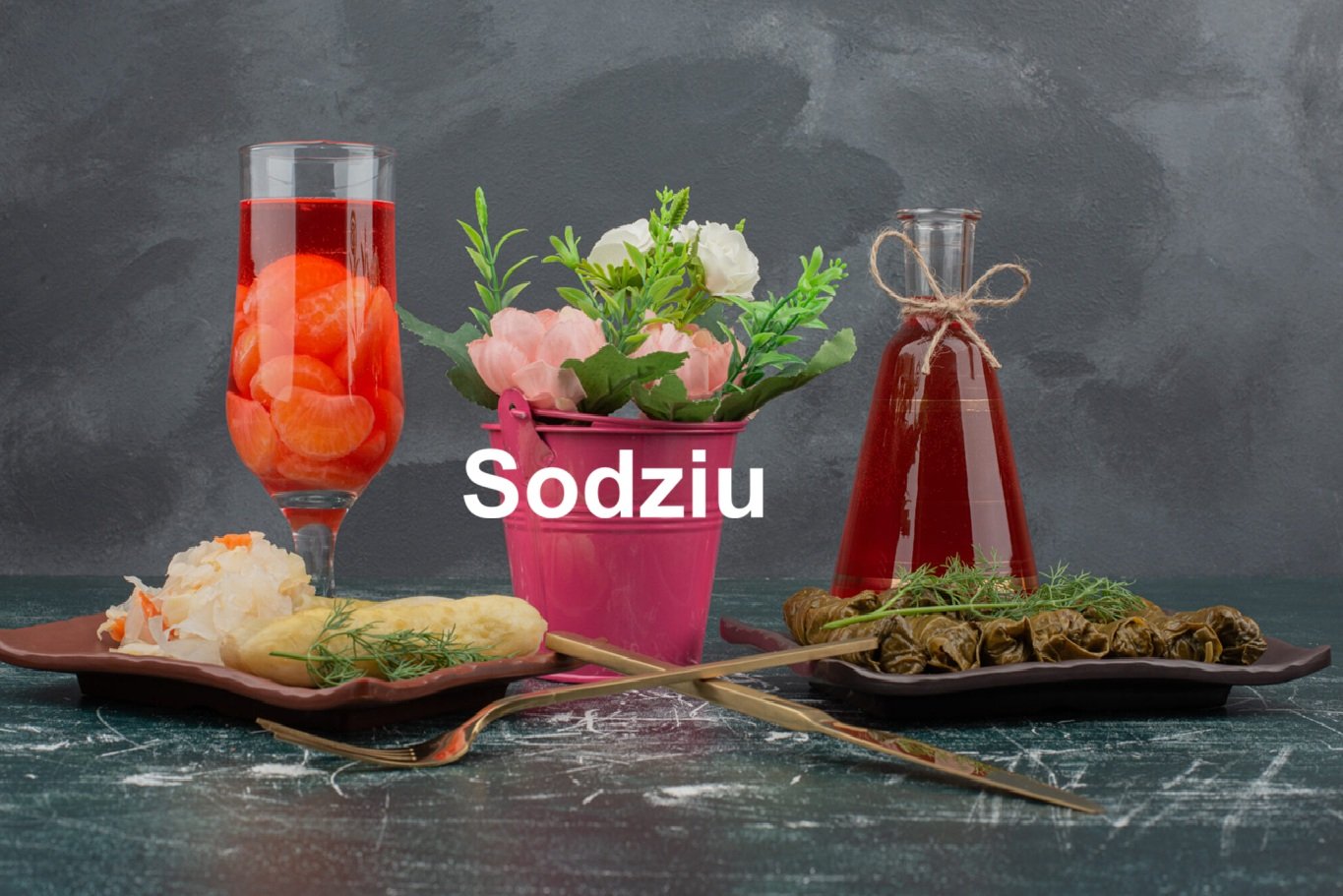
Sodziu is more than just a word; it represents a rich tapestry of history, culture, and community. Nestled in the heart of tradition, Sodziu has captivated hearts for generations with its unique significance. Whether it’s about its historical roots or modern-day applicati ons, there’s so much to uncover. This blog post will take you on an exciting journey through the world of Sodziu exploring its origins, cultural importance, and even how you can incorporate it into your life today. Prepare to dive deep into a vibrant heritage that continues to thrive!
What Is Sodziu?
Sodziu is a traditional craft originating from the rich cultural tapestry of Eastern Europe. Often associated with artisanal practices, it embodies both creativity and functionality. This unique form encompasses various materials, including textiles and natural fibers, shaped into beautiful and practical items.
Beyond its physical attributes, Sodziu carries deep cultural significance. It reflects the values and traditions of communities that have practiced this craft for generations. Through intricate patterns and vibrant colors, Sodziu tells stories of heritage while connecting people to their roots in meaningful ways.
The History and Origins of Sodziu
Sodziu has a rich and complex history that dates back centuries. It is believed to have originated in the heart of ancient civilizations, where it served as both a sustenance and a cultural symbol. These early communities recognized Sodziu not just for its nutritional value but also for its role in rituals and celebrations.
As trade routes expanded, Sodziu spread across regions, adapting to various cultures along the way. This evolution has shaped its diverse forms today while maintaining ties to traditional practices that continue to honor its origins.
Cultural Significance and Traditional Uses of Sodziu
Sodziu holds a cherished place in the hearts of its community, symbolizing unity and heritage. Traditionally used in various rituals, it is often present at celebrations such as weddings and festivals. Its unique flavors enhance communal feasts, bringing people together.
Moreover, Sodziu serves as a means of storytelling through shared experiences. It embodies cultural values passed down through generations. The preparation methods are steeped in tradition, reflecting the artistry involved in creating this beloved item while providing an opportunity for bonding among family members during its making.
Modern Applications of Sodziu
Today, Sodziu finds its place in various modern contexts. It’s not just a traditional staple but also an ingredient celebrated by chefs around the world. Its unique flavor enhances contemporary dishes, blending cultural heritage with culinary innovation.
Additionally, Sodziu is gaining traction in health and wellness circles for its nutritional benefits. Many health enthusiasts incorporate it into smoothies, salads, and even desserts. This versatility allows Sodziu to transcend borders while preserving its rich history and significance within communities.
How to Make Your Own Sodziu at Home
Making your own Sodziu at home is a rewarding experience. Start by gathering fresh ingredients like herbs, spices, and grains specific to your preferred recipe. Combine them in a clean container for optimal flavor infusion.
Next, add water to the mixture according to the desired consistency. Stir well and let it sit for several hours or overnight in a cool place. This allows the flavors to meld together beautifully. Once ready, strain out solids if necessary, and enjoy your homemade Sodziu as part of meals or traditional ceremonies!
International Variations of Sodziu
Sodziu’s influence spans across various cultures, leading to unique international variations. In Eastern Europe, for instance, traditional Sodziu takes on different flavor profiles by incorporating local spices and herbs. Each region adds its own twist—creating a delightful mosaic of taste.
In Asia, Sodziu often blends with indigenous ingredients, resulting in unexpected but harmonious flavors. Here, it may be served as part of elaborate feasts or street food delicacies. These adaptations showcase how Sodziu continues to evolve while maintaining its core essence as a beloved cultural staple worldwide.
Sodziu in Literature, Art, and Digital Storytelling
Sodziu has woven its way into literature and art, often symbolizing cultural identity and heritage. Writers explore its significance in poetry and prose, capturing the essence of tradition while reflecting contemporary issues. Artists depict Sodziu through vibrant visuals, highlighting its historical roots.
In digital storytelling, Sodziu finds a new platform. Podcasts and online narratives celebrate this rich culture, presenting it to global audiences. Through social media campaigns and virtual exhibitions, creators share stories that elevate appreciation for Sodziu’s unique charm and deep connections within communities worldwide.
The Role of Food in Sodziuan Culture
Food plays a central role in Sodziuan culture, serving as a vital connection to community and identity. Traditional meals often reflect the region’s agricultural heritage, featuring locally sourced ingredients that highlight seasonal flavors.
Gatherings around food are common, fostering social bonds and cultural exchange. Rituals involving cooking and sharing meals strengthen family ties and celebrate significant life events, reinforcing the importance of culinary practices in Sodziuan society. Through these communal experiences, food becomes more than sustenance; it embodies history, tradition, and shared memories within the community.
Sodziu in Language and Communication
Sodziu plays a vital role in the language and communication of its community. It serves as a conduit for expressing cultural beliefs, values, and social norms. The unique terminology associated with sodziu enriches conversations, creating a shared understanding among speakers.
Moreover, the storytelling traditions surrounding sodziu encapsulate history and collective memory. These narratives are often passed down through generations, fostering connections between individuals. This oral tradition not only preserves the essence of sodziu but also strengthens interpersonal bonds within the culture.
Preservation Efforts: Sustainability and Community Heritage
Preservation efforts surrounding Sodziu focus on sustainability and community heritage. Local organizations work diligently to educate residents about traditional practices, encouraging the use of natural resources in sustainable ways. Workshops and events foster a sense of belonging while promoting eco-friendly methods.
Engaging with younger generations is crucial for maintaining the cultural fabric of Sodziu. By incorporating traditional knowledge into school programs, communities aim to ensure this rich history is passed down. Such initiatives not only preserve the essence of Sodziu but also empower locals to take pride in their unique identity and heritage.
Sodziu as a Symbol of Identity and Continuity
Sodziu holds a deep significance as a symbol of identity for many communities. It embodies the traditions, beliefs, and values passed down through generations. As people embrace their cultural heritage, Sodziu becomes a touchstone that connects them to their ancestry.
Moreover, this rich tradition promotes continuity within societies. By practicing and sharing Sodziu-related customs, individuals reinforce ties to their roots while adapting to modern life. This dynamic balance fosters resilience in cultural identity, ensuring that the essence of Sodziu remains vibrant amidst change.
Conclusion
Sodziu represents much more than a simple cultural artifact; it embodies the rich traditions and values of the communities that cherish it. Its historical roots run deep, showcasing a tapestry woven with stories, art, and significance. As modern applications grow alongside traditional practices, Sodziu continues to evolve while remaining true to its heritage.
The passion for preserving this unique element fosters community ties and encourages sustainable practices. By embracing Sodziu in various aspects of life from language to food individuals celebrate their identity and continuity. This enduring connection ensures that future generations will appreciate the depth of Sodziu’s history and culture. Engaging with Sodziu today means honoring yesterday while nurturing tomorrow’s legacy.