
Air conditioning has become an essential part of modern living, providing comfort, improved air quality, and relief from extreme temperatures. Whether you are upgrading an old unit or installing a system for the first time, understanding the process of AC installation is crucial for ensuring efficiency, durability, and cost-effectiveness.
A properly installed air conditioning system not only enhances comfort but also reduces energy consumption and minimizes future repair costs. This comprehensive guide will walk you through everything you need to know about AC installation, from choosing the right system to maintaining it for optimal performance.
Before diving into AC installation, it is important to understand the different types of air conditioning systems available. Each type serves specific needs and spaces, making it essential to choose the right one for your environment.
Split systems are among the most common, consisting of an indoor unit and an outdoor compressor. These systems are ideal for homes and offices due to their efficiency and quiet operation. Window units, on the other hand, are compact and suitable for smaller spaces.
Central air conditioning systems are designed to cool entire buildings through a network of ducts, making them ideal for large homes or commercial properties. Ductless mini-split systems offer flexibility and are perfect for spaces where ductwork is not feasible.
Selecting the appropriate system is the first step toward a successful AC installation, as it directly impacts performance and energy efficiency.
Factors to Consider Before Installation
Installing an air conditioning system requires careful planning and consideration of several factors. One of the most important aspects is the size of the unit. An undersized unit will struggle to cool the space, while an oversized unit may cycle on and off frequently, reducing efficiency.
The layout of your space also plays a significant role. Proper placement of indoor and outdoor units ensures even cooling and optimal airflow. Insulation, window placement, and ceiling height can all influence the effectiveness of the system.
Energy efficiency ratings, such as SEER (Seasonal Energy Efficiency Ratio), should also be taken into account. Higher ratings indicate better efficiency, which can lead to significant savings on energy bills over time.
Additionally, it is important to consider your budget, not only for the initial AC installation but also for long-term maintenance and operating costs.
AC Installation Process
The process of AC installation involves several steps that must be carried out with precision to ensure optimal performance. While the exact steps may vary depending on the type of system, the general process remains similar.
The first step is site inspection and planning. A professional technician evaluates the space, determines the appropriate unit size, and identifies the best location for installation. This step is critical for avoiding future issues and ensuring efficient operation.
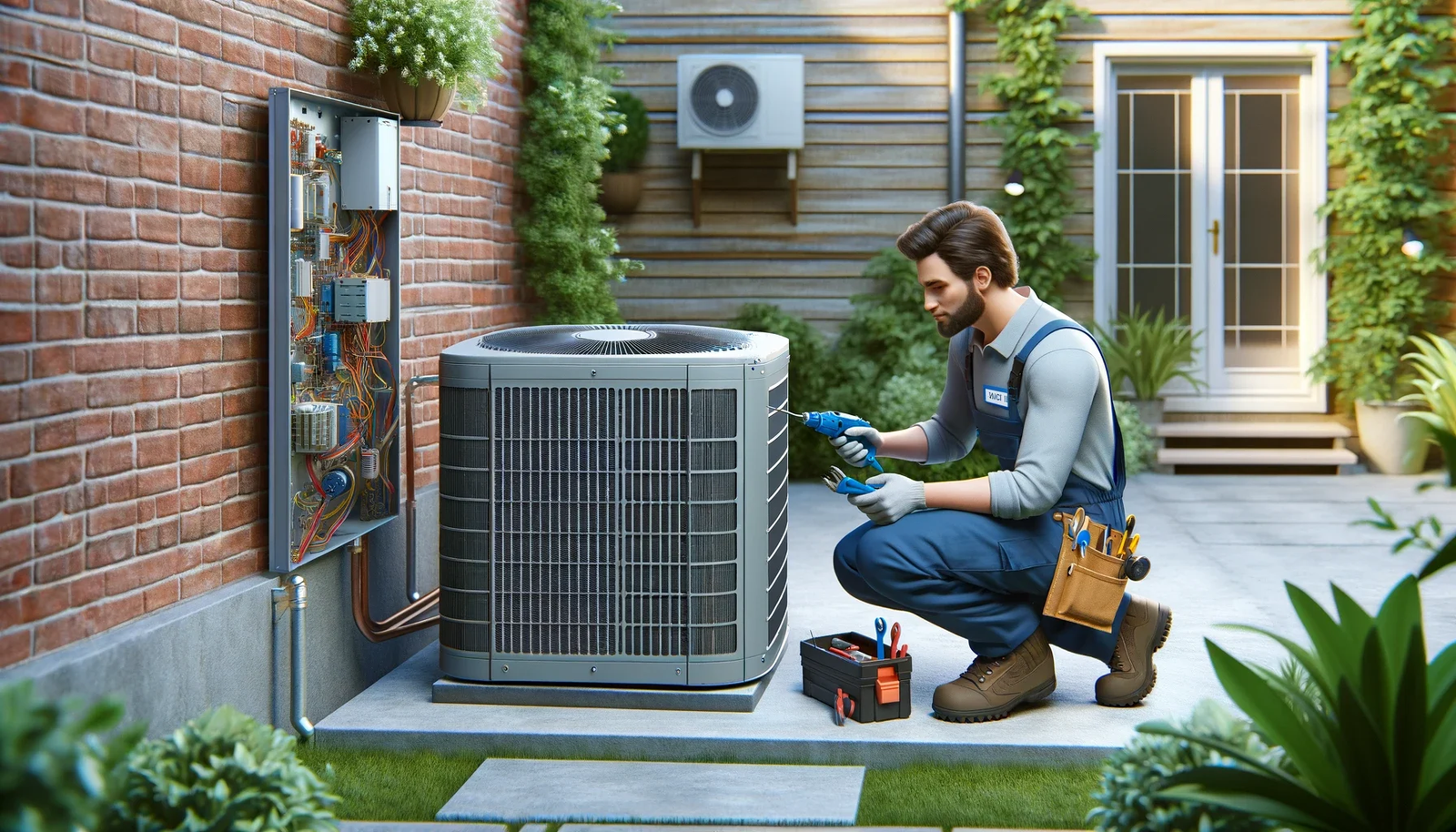
Next comes the installation of the indoor unit. This involves mounting the unit securely on a wall or ceiling and ensuring proper alignment. The outdoor unit is then installed in a well-ventilated area, away from direct sunlight and obstructions.
Refrigerant lines, electrical wiring, and drainage pipes are then connected between the indoor and outdoor units. Proper sealing and insulation of these connections are essential to prevent leaks and energy loss.
Once all components are in place, the system is tested to ensure it is functioning correctly. This includes checking airflow, temperature output, and overall performance.
Importance of Professional Installation
While some homeowners may consider DIY installation, it is highly recommended to hire professionals for AC installation. Certified technicians have the expertise and tools required to handle complex installations safely and efficiently.
Improper installation can lead to a range of problems, including poor cooling performance, increased energy consumption, and frequent breakdowns. In some cases, it can even void the manufacturer’s warranty.
Professional installers ensure that all components are correctly installed and calibrated, reducing the risk of future issues. They also adhere to safety standards and regulations, providing peace of mind for homeowners.
Common Mistakes to Avoid
Many issues with air conditioning systems stem from mistakes made during the installation process. Being aware of these common pitfalls can help you avoid unnecessary problems.
One of the most common mistakes is choosing the wrong size unit. As mentioned earlier, improper sizing can significantly impact performance and efficiency. Another mistake is poor placement of the outdoor unit, which can restrict airflow and reduce efficiency.
Inadequate insulation of refrigerant lines is another issue that can lead to energy loss and reduced cooling capacity. Improper drainage setup can result in water leakage and damage to the property.
Skipping professional installation in favor of a DIY approach often leads to these mistakes, highlighting the importance of expert assistance.
Benefits of Proper AC Installation
Investing in proper AC installation offers numerous benefits that extend beyond immediate comfort. One of the most significant advantages is improved energy efficiency. A well-installed system operates smoothly, consuming less energy and reducing utility bills.
Proper installation also enhances the lifespan of the system. When components are correctly installed and maintained, they experience less strain, resulting in fewer breakdowns and repairs.
Another benefit is consistent cooling. A properly installed system distributes air evenly, eliminating hot and cold spots within the space.
Additionally, proper installation contributes to better indoor air quality by ensuring effective filtration and ventilation.
Maintenance Tips After Installation
Once your AC installation is complete, regular maintenance is essential for keeping the system in optimal condition. Simple maintenance tasks can go a long way in preventing issues and extending the lifespan of the unit.
Cleaning or replacing air filters regularly is one of the most important tasks. Dirty filters restrict airflow and reduce efficiency. It is recommended to check filters monthly and replace them as needed.
Keeping the outdoor unit clean and free from debris is also crucial. Leaves, dust, and dirt can obstruct airflow and affect performance. Regularly inspecting and cleaning the unit helps maintain efficiency.
Scheduling annual maintenance with a professional technician ensures that all components are functioning correctly. This includes checking refrigerant levels, inspecting electrical connections, and cleaning internal components.
Energy Efficiency and Cost Savings
Energy efficiency is a major consideration when it comes to air conditioning systems. A properly installed and maintained system can significantly reduce energy consumption, leading to lower utility bills.
Using programmable thermostats allows you to control temperature settings based on your schedule, further enhancing efficiency. Setting the thermostat to a moderate temperature can also help reduce energy usage.
Upgrading to energy-efficient models with higher SEER ratings can provide long-term savings, even if the initial cost is higher. Over time, the reduced energy consumption offsets the investment.
Proper AC installation plays a key role in achieving these benefits, as even the most efficient system cannot perform well if it is not installed correctly.
When to Upgrade Your AC System
While maintenance can extend the life of your air conditioning system, there comes a time when replacement becomes necessary. Older systems that require frequent repairs or have significantly reduced efficiency may no longer be cost-effective.
Advancements in technology have led to the development of more efficient and environmentally friendly systems. Upgrading to a modern unit can provide better performance, improved energy efficiency, and enhanced comfort.
If your system is more than 10–15 years old or struggles to maintain consistent temperatures, it may be time to consider a new AC installation.
Conclusion
AC installation is a critical process that requires careful planning, proper execution, and ongoing maintenance. From selecting the right system to ensuring professional installation, every step plays a role in achieving optimal performance and efficiency.
By investing in proper installation and regular maintenance, you can enjoy consistent comfort, improved air quality, and long-term cost savings. Avoiding common mistakes and relying on professional expertise ensures that your system operates smoothly for years to come.
Ultimately, a well-installed air conditioning system is not just a luxury—it is an investment in comfort, health, and energy efficiency.
