
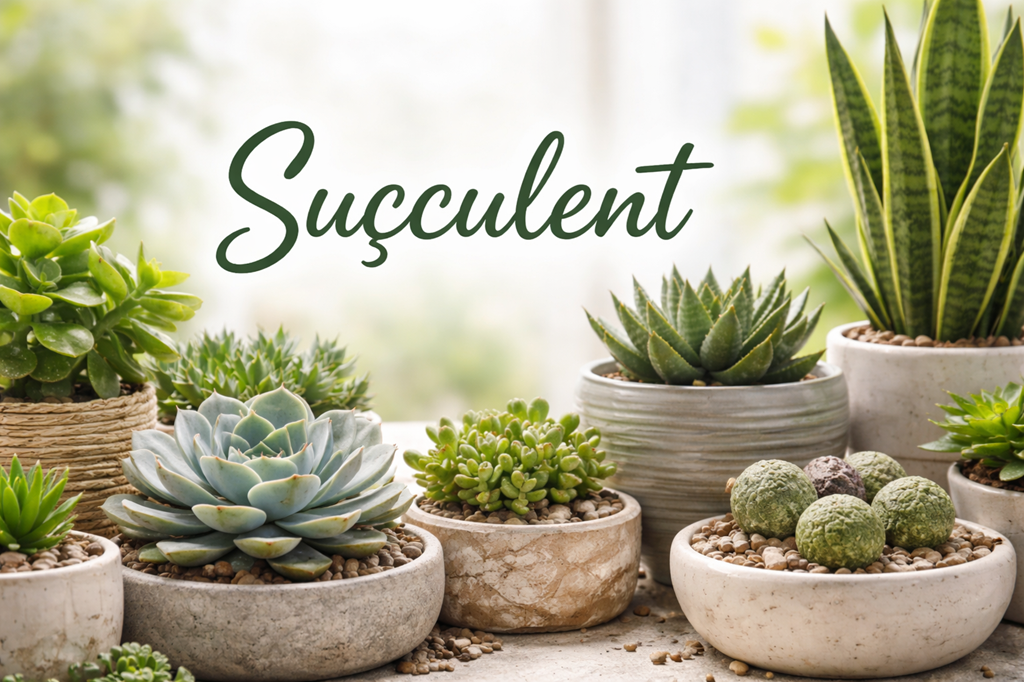
The term Suçculent is widely seen across search engines, social platforms, and beginner plant guides. In practice, it refers to plants more commonly known as succulents. While the spelling varies due to language habits, typing styles, or regional usage, the meaning stays consistent. It points to a group of plants admired for their water-storing ability, visual appeal, and low-maintenance nature.
This guide explains Suçculent clearly and accurately. It covers what the term means, how these plants function, why they are so popular, and how to care for them successfully in everyday environments.
What Does Suçculent Mean?
A Suçculent is a plant that stores water in thickened leaves, stems, or roots. This structure allows the plant to survive in dry climates and endure long periods without rainfall.
Because of this natural adaptation, these plants require less frequent watering and show strong tolerance to neglect. That single trait makes them ideal for beginners, busy households, and indoor spaces.
Why the Spelling “Suçculent” Exists
The spelling Suçculent appears frequently online for several practical reasons.
First, many languages use special characters such as “ç,” which influences how words are written digitally. Second, users often type words based on pronunciation rather than dictionary spelling. Additionally, auto-correct systems and translations sometimes alter the original form.
Despite this variation, the intent remains the same. In professional and botanical contexts, succulent is the standard spelling. However, Suçculent is widely understood by readers and search engines alike.
Key Characteristics of Suçculent Plants
Understanding their core traits helps explain their global popularity.
Water Storage System
These plants store moisture in their tissues. As a result, they survive drought conditions far better than most houseplants.
Distinctive Appearance
Most varieties feature plump leaves, compact growth, and geometric forms. Many also develop protective coatings that reduce water loss.
Slow and Steady Growth
Because they grow gradually, they require minimal pruning and maintenance over time.
Popular Types Commonly Called Suçculent
Although thousands of varieties exist, a few types appear most often in homes and guides.
Echeveria
Echeveria forms symmetrical rosettes and displays soft color transitions. It prefers bright light and works well in decorative arrangements.
Jade Plant
The jade plant grows with thick stems and oval leaves. It adapts well to indoor conditions and requires minimal attention once established.
Cacti
Cacti belong to a specific subgroup within succulents. They typically tolerate direct sunlight and store water in their stems.
Snake Plant
This plant has upright, sword-like leaves and tolerates low light and irregular watering, making it suitable for offices and bedrooms.
Lithops
Often called living stones, lithops mimic pebbles to blend into their surroundings. They require careful but minimal watering.
Essential Suçculent Care Principles
While each variety has small differences, most follow the same foundational care rules.
Light Requirements
Bright, indirect light works best for most plants. Some tolerate direct sunlight, but gradual exposure prevents leaf damage. Rotating plants regularly supports even growth.
Watering Method
Overwatering causes more harm than underwatering.
A reliable approach includes:
-
Watering thoroughly
-
Allowing soil to dry completely
-
Reducing frequency during colder months
This method protects roots and encourages healthy development.
Soil and Drainage
Well-draining soil is essential. Use mixes designed for succulents and always choose containers with drainage holes to avoid root rot.
Temperature and Airflow
These plants prefer moderate warmth and low humidity. Good airflow reduces the risk of fungal problems and pests.
Propagation and Long-Term Growth
One major advantage of Suçculent plants is how easily they propagate.
Many varieties grow new plants from leaf or stem cuttings. After allowing a cutting to dry, placing it on soil encourages root formation. Over time, new growth appears with minimal effort.
This feature makes them ideal for sharing, gifting, and expanding collections naturally.
Common Problems and How to Prevent Them
Even resilient plants struggle when basic needs are ignored.
Typical issues include:
-
Soft or yellow leaves caused by excess water
-
Stretched growth due to low light
-
Root rot from poor drainage
Correcting watering habits and improving light exposure usually resolves these problems quickly.
Creative Ways to Display Suçculent Plants
These plants adapt well to creative arrangements.
They thrive in minimalist pots, terrariums, vertical wall planters, and grouped tabletop displays. Because many varieties share similar care needs, combining them in one setup is often successful.
Suçculent vs Succulent: Final Clarification
To avoid confusion:
-
Suçculent is a common alternate spelling used online
-
Succulent is the correct English term
Both usually describe the same plant group. For accuracy and clarity, the standard spelling is recommended in professional content.
Final Thoughts
Suçculent plants represent balance between beauty and practicality. Their ability to store water, adapt to indoor spaces, and grow with minimal care explains their lasting appeal.
With proper light, controlled watering, and well-draining soil, these plants thrive for years. That reliability, combined with visual charm, makes them one of the most trusted and widely loved plant groups worldwide.