
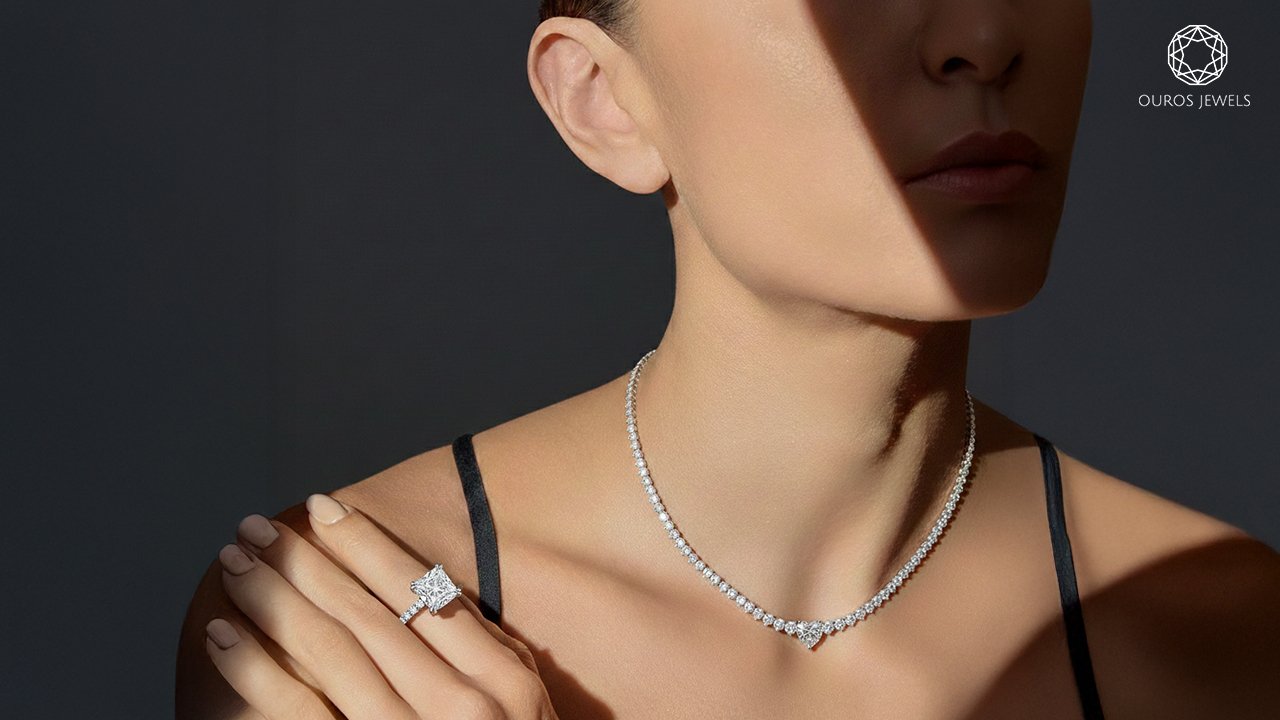
The lab diamond jewelry market hasn’t been interrupted by a single moment or trend. Instead, it’s been nudged forward by small, steady changes and choices people make without much announcement. Over time, those choices have begun to reshape how diamonds are designed, sold, and worn.
Nothing has disappeared. But very little remains exactly the same.
Fewer Rules, More Personal Logic
There was a time when diamond jewelry followed an unspoken script. Engagement rings looked a certain way. Wedding bands followed familiar patterns. Earrings and necklaces were saved for specific occasions.
That script is being rewritten, not out of rebellion, but practicality. People are choosing pieces that fit how they live rather than how tradition says they should. A ring needs to feel comfortable during long days. Earrings should work with daily routines, not just formal events. Jewelry is being selected with personal reasoning, not social expectation.
This shift has quietly widened the definition of what diamond jewelry is for.
Lab Grown Diamonds Are Part of Normal Buying Decisions
Lab grown loose diamonds are no longer introduced with hesitation. For many buyers, they’re simply part of the available options, evaluated alongside everything else.
The questions have changed. Instead of asking whether lab grown diamonds are real, buyers are more interested in consistency, clarity, and long-term practicality. Pricing transparency and production control matter just as much as appearance.
This adjustment in mindset has expanded access without forcing a choice. The market hasn’t split, it’s grown more flexible.
The First Impression Happens Online
Diamond jewelry rarely makes its first impression in a showroom anymore. Most people encounter it through screens articles, social feeds, comparison pages, or saved images.
Because of that, expectations have shifted. Shoppers look for:
- Straightforward explanations
- Honest visuals that don’t overpromise
- Information that feels useful rather than theatrical
Brands and sellers that communicate clearly tend to earn trust faster than those relying on tradition alone. The mystique has faded; understanding has taken its place.
Design Is Quietly Becoming More Practical
Another important alternative is in how diamond jewelry is designed. There’s much less emphasis on dramatic scale and greater interest in proportion and comfort. Rings are crafted to take a seat certainly at the hand. Wedding bands are designed to pair easily or stand alone. Necklaces and diamond tennis bracelets are constructed to transport with the body in preference to limiting it.
These aren’t radical design changes but they signal a shift in priorities. Jewelry is expected to keep up, not slow people down.
Ethics Without the Spotlight
Ethical concerns haven’t vanished, but the way they’re addressed has matured. Buyers aren’t looking for loud promises. They want clear answers.
Information about sourcing, production, and materials now acts as reassurance rather than a headline. The market is moving away from declarations and toward quiet accountability.
Diamonds as Everyday Objects, Not Just Symbols
Perhaps the biggest change is emotional. Diamond jewelry is no longer reserved for singular life moments. It’s becoming part of everyday identity.
People are carrying diamonds because they enjoy them, not due to the fact they’re marking something reliable. That shift may also seem small, but it adjusts how jewelry is designed, priced, and perceived.
A Market Moving at Its Own Pace
The diamond jewelry market hasn’t rushed into the future; it has walked there, slowly and deliberately. The changes are subtle, but they’re lasting.
What’s emerging is a marketplace that feels much less inflexible, greater obvious, and greater aligned with how human beings certainly stay. And that quiet evolution may be the most significant transformation of all.