
Introduction
Imagine a creature that embodies the essence of friendship. Meet the cadibara, known for its sociable nature and charming demeanor. These gentle giants are not just unique in appearance; they redefine what it means to be part of a group. As we delve into their world, you’ll discover why these animals have captured hearts everywhere. From their playful interactions to their impressive adaptability, there’s much more than meets the eye with cadibaras. Let’s explore this fascinating species together!
What is Cadibara?
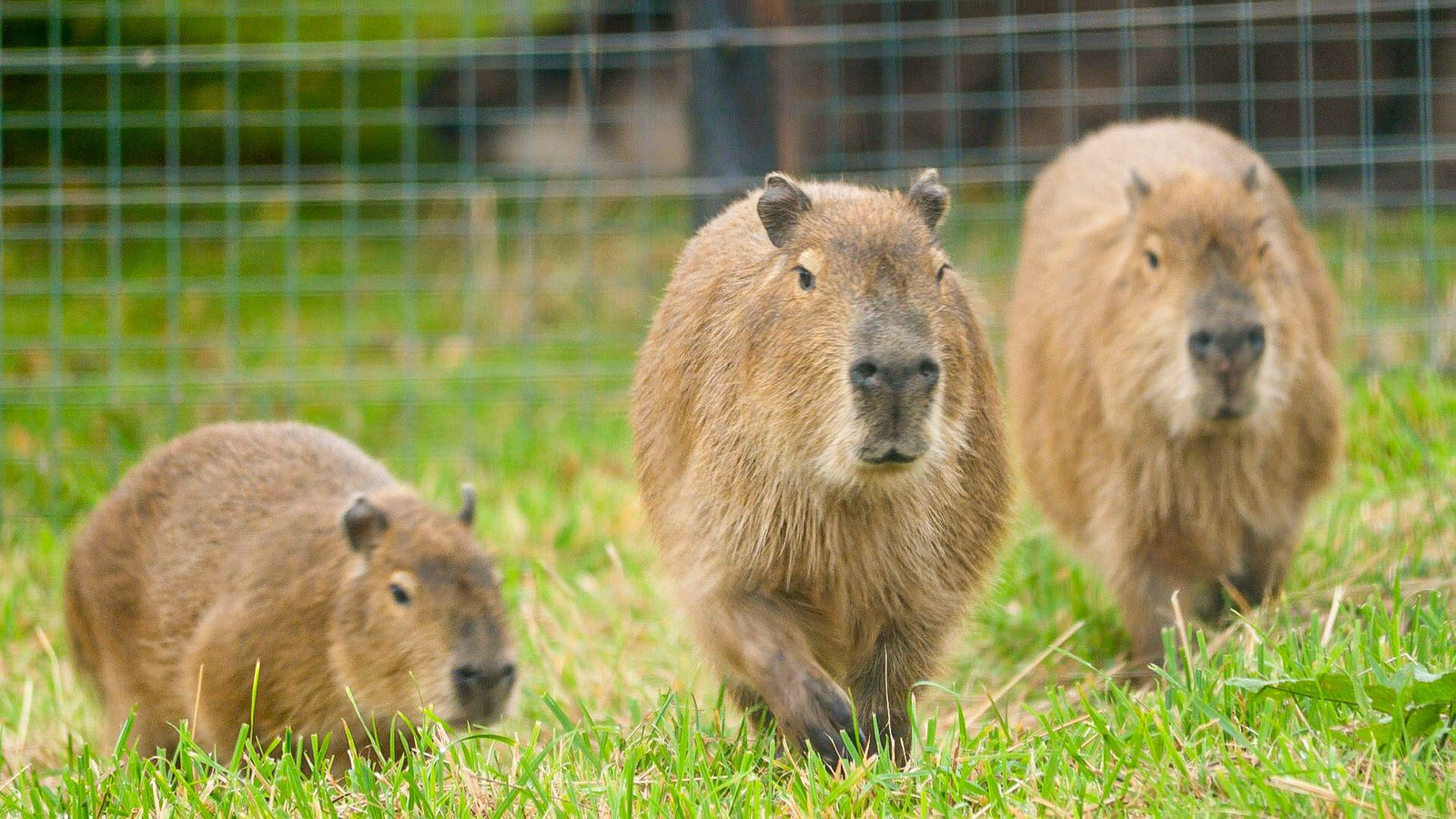
The cadibara, commonly known as the capybara, is the largest rodent in the world. These fascinating creatures belong to the family Caviidae and are native to South America. They thrive near water bodies such as rivers, lakes, and wetlands.
With their stocky bodies and webbed feet, cadibaras are well-adapted for both land and aquatic life. Their smooth fur ranges from light brown to reddish-brown shades. This unique design helps them blend into their natural habitat while keeping them cool.
Known for their gentle demeanor, cadibaras often live in groups of 10-20 individuals. They exhibit strong social bonds that contribute to their thriving communities.
Physical Characteristics
Cadibara, the world’s largest rodent, is truly a sight to behold. They can weigh between 77 to 146 pounds and measure up to four feet long. Their sturdy bodies are built for swimming and grazing.
A distinct feature of cadibara is their short legs and barrel-shaped bodies. This unique structure allows them to move swiftly in water while maintaining balance on land.
Their fur is coarse and brownish, providing excellent camouflage among grasslands and wetlands. With webbed feet that help them navigate aquatic environments, they are perfectly adapted to their habitats.
Habitat and Distribution
The cadibara thrives in a variety of habitats, primarily found near water bodies like rivers, lakes, and swamps. These semi-aquatic mammals prefer warm environments that offer ample vegetation for grazing.
In South America, they inhabit countries such as Brazil, Venezuela, Colombia, and Argentina. Their presence is often linked to wetlands and grasslands where they can easily find food and shelter.
Cadibaras are social creatures often seen in groups by the water’s edge. This preference for communal living contributes to their survival in diverse ecosystems across the continent.
Diet and Feeding Habits
Cadibaras are herbivores with a diet primarily consisting of grasses, aquatic plants, and fruits. Their flat teeth are perfectly adapted for grinding tough plant material. They often graze throughout the day to meet their nutritional needs.
These social animals enjoy eating in groups, allowing them to share information about food sources. This communal feeding behavior fosters strong bonds among members of a group.
Interestingly, capybaras also practice coprophagy. They consume their feces to maximize nutrient absorption from the plant matter they eat during the first digestion process. This unique feeding habit aids their overall health and well-being.
Behavior and Social Structure
Cadibara are known for their strong social bonds. They typically live in groups of 10 to 20 individuals, though larger gatherings can occur near abundant resources. This social structure fosters cooperation and safety among members.
Within the group, a hierarchy often emerges. Dominant males usually lead while females play crucial roles in nurturing young ones. Communication is vital, with various sounds like barks and purrs conveying messages about danger or food.
Their affinity for water enhances social interactions as they frequently gather around lakes and rivers. Here, they engage in grooming rituals and playful activities that strengthen relationships within the group.
Reproduction and Lifespan
Cadibara reproduction is fascinating. They typically mate in the wet season, which coincides with their peak food availability. A single female can give birth to a litter of four to five pups after a gestation period of about 150 days.
Newborn cadibaras are precocial, meaning they can walk and swim shortly after birth. This adaptability helps them evade predators early on. The young usually stay with their mothers for several months, learning essential survival skills.
In the wild, cadibaras have an average lifespan of 8 to 10 years. However, those in captivity can live up to 12 years or more due to better care and fewer threats.
Predators and Threats
Cadibara face various natural predators in their habitats. Jaguars and caimans are among the most significant threats, often lurking near water sources where these gentle giants reside. Their size offers some protection, but they are still vulnerable.
Humans also pose a considerable threat to cadibara populations. Habitat destruction due to agriculture and urban development reduces their living space. Additionally, hunting for meat and fur has taken its toll.
Climate change further complicates their survival by altering ecosystems. Rising temperatures and changing rainfall patterns can diminish food resources and disrupt breeding cycles for these social animals.
Capybaras and Humans: A Unique Relationship
Capybaras, often referred to as “nature’s gentle giants,” have a fascinating connection with humans. Their friendly demeanor makes them popular in various social settings. People find joy in their playful nature and calm presence.
Many communities view these animals as companions rather than mere wildlife. In some parts of South America, capybaras roam freely in urban areas, coexisting peacefully with locals. This unique bond fosters appreciation for wildlife conservation.
Moreover, capybaras are increasingly seen on social media platforms, where their quirky antics attract followers worldwide. They symbolize harmony between humans and nature, reminding us of the beauty inherent in our shared environment.
Conservation Status
The conservation status of cadibara, or capybaras, is currently assessed as “Least Concern” by the IUCN. This indicates a stable population across their native range in South America.
However, habitat destruction and hunting pose significant threats. Urbanization and agriculture reduce their natural habitats, leading to fragmentation.
Conservation efforts are essential to maintain healthy populations. Protected areas have been established in many regions, helping safeguard these social animals from further decline. Public awareness also plays a key role in ensuring their survival amid growing human encroachment on the landscape they call home.
Conclusion
The cadibara, with its unique blend of social behavior and adaptability, continues to capture the hearts of many. These gentle giants thrive in groups, showcasing an incredible level of interaction that is both fascinating and heartwarming. Their ability to live harmoniously with various other species enhances their role in ecosystems.
As we learn more about these remarkable animals, it’s crucial to support conservation efforts. Protecting their habitats ensures future generations can enjoy the sight of cadibaras frolicking together in the wild. They remind us how interconnected life truly is and the importance of preserving our natural world for all beings.