
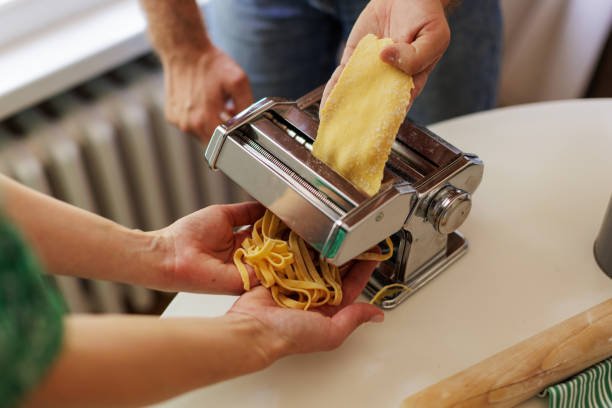
Tortellini, those delightful pasta pockets filled with savory goodness, have captured the hearts of food lovers worldwide. But what if we told you there’s a machine designed specifically to streamline their creation? Enter the tortellinatrice a marvel of culinary engineering that has revolutionized how these beloved dumplings are made. From its rich history to modern innovations, this blog will take you on a journey through the fascinating world of the tortellinatrice. Discover how it works, its various types, and why it’s becoming an essential tool in kitchens everywhere. Whether you’re a home cook or a professional chef, there’s something here for everyone!
Understanding the Tortellinatrice
The tortellinatrice is a specialized machine for producing tortellini efficiently and consistently. Its importance lies in its ability to enhance productivity while maintaining the quality of these pasta delights. Originating from Italy, it evolved over time to meet the needs of both home cooks and commercial kitchens, appealing to a diverse range of culinary enthusiasts.
Definition and Importance
A tortellinatrice is a specialized machine designed to automate the process of making tortellini. Its importance lies in its ability to enhance efficiency and precision in pasta production. This tool minimizes manual effort while ensuring consistent quality, allowing chefs and home cooks alike to create authentic tortellini quickly and with less waste.
Evolution and Origin
The tortellinatrice has its roots in traditional Italian cuisine, evolving from manual pasta-making techniques. Originally crafted by hand, the need for efficiency led to mechanized versions in the 20th century. This shift allowed chefs and home cooks to produce tortellini faster while maintaining quality, reflecting a blend of heritage and innovation that continues today.
User Demographics
The user demographics of the tortellinatrice span a diverse range. Home cooks enjoy its convenience for family meals, while professional chefs appreciate its efficiency in restaurants. Food manufacturers utilize it for mass production. Additionally, culinary schools incorporate these machines into their training programs, exposing future chefs to modern pasta-making techniques essential for today’s food scene.
Operational Mechanics of a Tortellinatrice
A tortellinatrice consists of several key components, including rollers, molds, and a filling chamber. These parts work together to create the perfect pasta shape. Manual models require human effort for operation, while automatic versions streamline the process with minimal intervention. Each design serves specific purposes tailored to enhance efficiency and consistency in tortellini production.
Components and Functions
A tortellinatrice consists of several key components. The dough roller prepares and flattens the pasta, while molds create uniform shapes. Filling dispensers portion out ingredients precisely, ensuring consistency. Sealing mechanisms ensure that each piece is tightly closed, preventing leaks during cooking. Together, these parts streamline the process of making tortellini efficiently and effectively.
Manual vs. Automatic Operation
Manual tortellinatrice machines require hands-on operation, allowing users to control the entire process from dough preparation to filling and sealing. They offer a traditional experience but can be labor-intensive. Automatic models streamline these tasks by using motors and sensors for efficiency, reducing physical effort while increasing production speed, making them ideal for busy kitchens or commercial settings.
Operability and Purpose
The operability of a tortellinatrice centers around its user-friendly design, facilitating both novice and experienced chefs. Its primary purpose is to streamline the tortellini-making process, enhancing efficiency without compromising quality. By automating repetitive tasks, it allows users to focus on creativity and flavor while ensuring consistent results in production. This versatility makes it essential in various culinary settings.
Types and Features of Tortellinatrice Machines
Tortellinatrice machines come in various types tailored for different needs. Home models are compact and user-friendly, while professional versions offer robust features for high volume production. Lab builds focus on precision and experimentation. These machines vary in mold designs, sizes, and can often be upgraded with new components to enhance functionality and efficiency in pasta making.
Varieties: Home, Professional, Lab Builds
Tortellinatrice machines come in various types to suit different needs. Home models are compact and user-friendly, ideal for casual cooks. Professional versions boast larger capacities and enhanced features for restaurants or catering services. Lab builds focus on precision and consistency, often used in research settings to study pasta production techniques and optimize recipes for mass production.
Molds, Sizes, and Upgrades
Tortellinatrice machines come with various molds to create different shapes and sizes of tortellini. Users can select from small, medium, or large options depending on their needs. Upgrades often include interchangeable molds for diverse culinary styles, enhancing creativity in pasta-making. This flexibility allows chefs and home cooks alike to experiment with flavors and presentation effortlessly.
Materials, Hygiene, and Support
Tortellinatrice machines are typically constructed from stainless steel, ensuring durability and hygiene. This material is non-porous, making it easy to clean and resistant to bacteria. Many manufacturers provide extensive support, including maintenance guidelines and troubleshooting resources, which enhances user experience. Investing in a quality machine ensures compliance with food safety standards while promoting longevity in usage.
Benefits and Impacts of Using a Tortellinatrice
Using a tortellinatrice significantly boosts speed and throughput in pasta production, enhancing overall quality. It reduces costs by minimizing labor and waste while ensuring consistent results. This efficiency positively impacts the food industry, allowing restaurants to serve fresh dishes quickly. Beyond culinary settings, its influence can also be seen in home kitchens where convenience meets tradition.
Speed, Throughput, and Quality
The tortellinatrice enhances production speed significantly, allowing for the rapid creation of large batches. Its efficient design ensures consistent throughput without sacrificing quality. Each tortellini produced maintains a uniform shape and size, essential for cooking and presentation. This precision not only saves time but also elevates the overall dining experience by delivering authentic flavors in every bite.
Cost Efficiency, Waste Management, and Labor
Using a tortellinatrice significantly boosts cost efficiency in production. By automating the process, it reduces labor costs and minimizes human error. Additionally, these machines optimize ingredient usage, leading to less waste compared to manual methods. This creates a more sustainable operation while maintaining high-quality output, appealing to businesses focused on both profit and environmental responsibility.
Influence on the Food Industry and Beyond
The tortellinatrice has reshaped the food industry by streamlining pasta production, enhancing consistency and quality. Its efficiency caters to restaurants, catering services, and artisanal producers alike. Beyond pasta, its design inspires innovations in other food sectors, encouraging automation and precision in culinary creations. This machine is more than a tool; it’s a catalyst for culinary advancement.
Choosing the Right Tortellinatrice
When choosing a tortellinatrice, consider capacity and settings to match your needs. Look for machines that allow for easy maintenance and cleaning. Ensure the model supports optimal dough and filling preparation techniques. Calibration is crucial; make sure you follow guidelines to achieve the best results on your first batch of delicious tortellini.
Considerations: Capacity, Settings, and Maintenance
When choosing a tortellinatrice, consider its capacity to match your production needs. Look for adjustable settings that allow for various dough thicknesses and filling types. Regular maintenance is crucial; clean components thoroughly and check for wear to ensure optimal performance. These factors can significantly impact the quality of your pasta-making experience.
Optimal Dough and Filling Preparation
Achieving the right dough consistency is crucial for a successful tortellinatrice experience. Use high-quality flour and eggs, ensuring the mixture is smooth yet pliable. For fillings, balance flavors and moisture; avoid overly wet mixtures to prevent breaking. Experiment with herbs or cheeses to enhance taste while maintaining structural integrity during the shaping process.
Calibration and First Batch Usage
Calibration of your tortellinatrice is crucial for optimal performance. Start by adjusting the dough thickness settings to ensure uniformity. Run a test batch with simple fillings to fine-tune the machine’s operation. Pay attention to sealing and cutting accuracy during this initial run, as it sets the standard for future batches and ensures consistency in your tortellini production.
Utilizing a Tortellinatrice: Step-by-Step Guide
To utilize a tortellinatrice, start with preparing the dough. Roll it through the machine’s rollers for even thickness. Next, portion your filling and place it on the rolled-out dough. Seal each piece securely before cutting them to shape. Eject the finished tortellini and cook them in boiling water or broth for a delightful meal.
Dough Pathway and Rollers
The dough pathway in a tortellinatrice is designed for optimal flow and processing. It typically features adjustable rollers that flatten the dough to the desired thickness. This ensures uniformity, which is crucial for consistent results. The smooth operation of these rollers facilitates easy feeding and helps maintain the integrity of the dough throughout production.
Filling, Portioning, and Sealing
Filling, portioning, and sealing are crucial steps in the tortellinatrice process. The machine ensures uniform filling amounts, creating consistent flavors and textures across batches. Once filled, the edges are sealed tightly to prevent leakage during cooking. This precision minimizes waste and maximizes efficiency, leading to perfectly crafted tortellini every time. Quality control is maintained throughout these stages for optimal results.
Cutting, Ejection, and Cooking
After sealing the tortellini, the cutting mechanism precisely separates each piece. Ejection follows, where freshly formed pasta is gently released for easy handling. Cooking can begin immediately or later, depending on preference. Boiling water enhances flavor and texture, making each bite a delightful experience. Mastering this process ensures consistent quality in every batch of tortellini produced.
Conclusion
The tortellinatrice stands as a remarkable innovation in the culinary world. Its evolution reflects a blend of tradition and modern technology, catering to diverse user needs. From home cooks to professional chefs, this machine enhances efficiency without compromising quality.
Understanding its operational mechanics allows users to maximize its potential for speed and precision. Various types cater to different demands, ensuring that every kitchen can find the right fit.
With numerous benefits ranging from cost efficiency to reduced waste, investing in a tortellinatrice has far-reaching implications for both individual kitchens and broader food industry practices.
Choosing the ideal model depends on several factors like capacity and ease of maintenance. Proper calibration ensures optimal performance from the first batch onward.
Utilizing this machine simplifies pasta-making with clear steps for dough preparation, filling application, sealing, cutting, and cooking. Embracing the tortellinatrice opens up new possibilities in creating perfect tortellini consistently while celebrating Italian culinary heritage.