
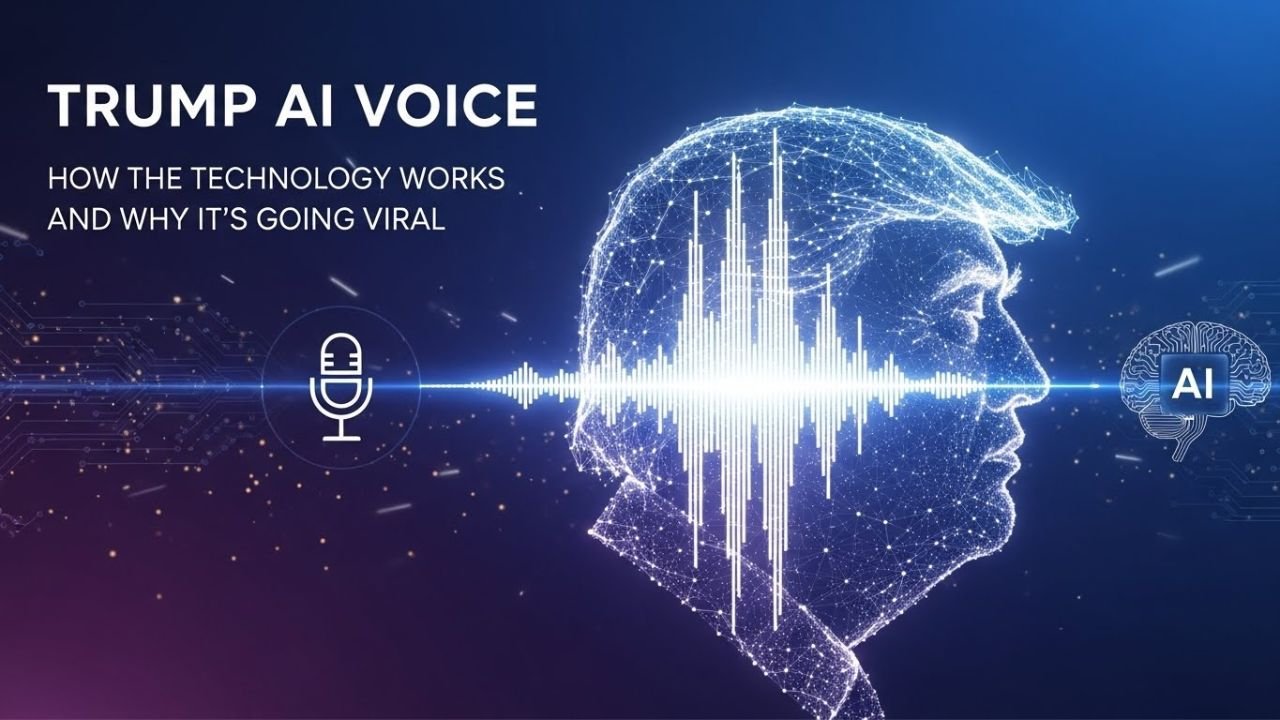
Introduction to Trump AI Voice
The digital age has brought us many innovations, but few have sparked as much intrigue and debate as the Trump AI Voice. Imagine hearing former President Donald Trump speak in ways you never thought possible expressing thoughts on current events or cracking jokes that only he could deliver with his signature flair. This technology is not just a novelty; it has captivated social media users and left many wondering about its implications. As we dive into how this cutting-edge voice synthesis works, we’ll explore the controversy surrounding it and why it’s taking the internet by storm. Buckle up this journey into artificial intelligence might just change your perspective on political commentary forever!
How the Technology Works
The technology behind Trump AI Voice utilizes advanced deep learning algorithms. These algorithms analyze vast amounts of audio data to mimic the former president’s unique speaking style. Machine learning models are trained on recordings of Donald Trump’s speeches and interviews. The system identifies patterns in his vocal inflections, pacing, and choice of words.
Once trained, the AI can generate new speech that sounds remarkably similar to him. This involves creating a text-to-speech interface where users input any script they want transformed into his voice. Natural language processing also plays a crucial role. It helps the AI understand context, ensuring that phrases are delivered with appropriate emotion and emphasis.
Through these complex processes, Trump AI Voice captures not just what is said but how it’s conveyed making it eerily convincing for listeners.
The Controversy Surrounding the Trump AI Voice
The emergence of the Trump AI Voice has sparked significant debate. Many view it as a groundbreaking tool for entertainment and political commentary. However, others raise ethical concerns about its implications.
Critics argue that this technology can easily mislead audiences. With the ability to mimic Trump’s distinctive tone and style, misinformation could spread rapidly. This raises questions about authenticity in media.
Moreover, there’s fear surrounding privacy violations. Some believe that using an AI-generated voice of a public figure without their consent is ethically questionable.
Supporters counter these arguments by emphasizing creative freedom and satire’s role in society. They see it as a way to engage people with politics in a new format. As discussions continue, the controversy around Trump AI Voice highlights broader issues in tech ethics today. These debates will likely shape future developments in artificial intelligence and its applications.
Why It’s Going Viral on Social Media
The Trump AI Voice is captivating attention across social platforms. Its uncanny resemblance to the former president’s speech patterns adds an element of intrigue. People are drawn to how cleverly it mimics his iconic style.
This technology allows users to create humorous and satirical content effortlessly. Memes and short videos featuring this voice enhance shareability, making them perfect for viral trends. Many find joy in using it for parody or commentary, further fueling engagement. Moreover, the novelty factor plays a significant role. As more people experiment with this tool, they showcase their creativity while also tapping into popular culture references linked to Trump.
Social media thrives on trends that evoke strong reactions be it laughter or shock and the Trump AI Voice undoubtedly delivers both. The result? A rapid spread fueled by shares, likes, and comments from audiences eager to participate in the conversation.
Potential Uses for Trump AI Voice
The Trump AI Voice technology opens up a range of fascinating possibilities. One notable application is in entertainment, where creators can produce parodies or satirical content that mimics the former president’s speaking style.
Businesses might also find value in this tool. Imagine incorporating the voice into marketing campaigns to grab attention and evoke nostalgia among audiences who resonate with Trump’s persona.
Education could benefit as well. The AI voice can be used for engaging presentations or audio books, making learning materials more dynamic and captivating. Moreover, developers may explore creating interactive chatbots that embody Trump’s distinctive communication style. This would offer users a unique conversational experience while engaging with brands or services.
Political analysts could use this technology for simulations and discussions about future elections or policy debates, adding an interesting layer to their analyses.
Criticisms and Concerns
The rise of Trump AI Voice has sparked a wave of criticisms and concerns. Many fear the potential for misinformation. The technology can create hyper-realistic audio clips that sound convincingly like Donald Trump, which could be used to spread false statements.
Ethical issues also loom large. Some argue that creating synthetic voices based on public figures raises questions about consent and authenticity. It blurs the lines between reality and fabrication, challenging our understanding of truth in media.
Privacy is another significant concern. How this technology collects data remains unclear, making some wary of its implications for personal information security.
Additionally, there’s the risk of misuse in political campaigns or social movements—manipulating public opinion through deceptive audio content could have far-reaching consequences. As engaging as it may seem, these considerations remind us to tread carefully with advancements in AI voice technology.
Conclusion
The emergence of the Trump AI voice has opened a new chapter in technology and communication. It’s fascinating to see how vocal replication can ignite conversations across different platforms. Engagement on social media is at an all-time high, driven by curiosity and humor. People are drawn to unique content that resonates with their experiences or challenges traditional norms.
As this technology continues evolving, its implications remain significant. The blend of entertainment and innovation keeps users captivated. Yet it evokes questions about authenticity and ethical boundaries. These discussions will shape the future landscape of AI-generated content.
In a world where everything seems possible, the Trump AI voice stands as a testament to technological advancement—and serves as a reminder that our perceptions can be influenced in unexpected ways.
FAQs
What is Trump AI Voice?
Trump AI Voice refers to a technology that uses artificial intelligence to mimic the voice of former President Donald Trump. This software can generate audio clips that sound remarkably like him, enabling users to create personalized messages or content.
How does the technology work?
The underlying technology relies on machine learning algorithms and neural networks. These systems analyze vast amounts of audio data featuring Trump’s speeches, interviews, and public appearances. By doing so, they learn his unique vocal patterns, intonations, and speech rhythms. The result is a synthetic voice that closely resembles his natural speaking style.
Is using Trump AI Voice legal?
There are ongoing debates about the legality of creating and using deepfake technologies like Trump AI Voice. While generating such content for personal use may not violate any laws outright, distributing it without permission could raise ethical concerns or infringe on rights related to likeness and identity.
Why is it going viral on social media?
Trump AI Voice has captured attention due to its novelty factor. It allows people to share humorous or satirical content in Trump’s distinctive voice easily. Social media platforms thrive on engaging material, making this an instant hit among users looking for entertaining posts.
Are there potential uses for this technology beyond entertainment?
Yes! Various fields could benefit from Trump AI Voice technology—political satire shows might employ it for comedic sketches while marketing teams may find innovative ways to integrate it into campaigns aimed at specific demographics equipped with nostalgia associated with Trump’s presidency.
What are some criticisms surrounding the use of this technology?
Critics argue that utilizing someone else’s likeness without consent raises ethical issues regarding authenticity and manipulation in media representation. Additionally, concerns arise over how deepfakes can be misused; misinformation campaigns fueled by convincing audio clips pose significant risks in today’s digital landscape.
Can I try out Trump AI Voice myself?
Several online platforms offer access where you can experiment with similar text-to-speech tools inspired by prominent public figures’ voices including those resembling Donald Trump’s tone but it’s essential always to respect guidelines