
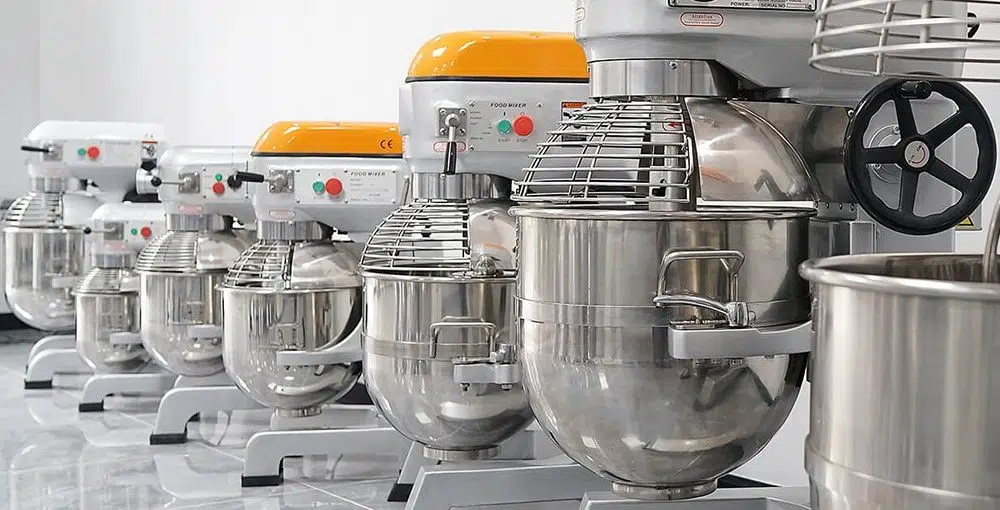
Planetary mixers are a cornerstone of modern commercial and industrial kitchens, bakeries, and food production units. Their versatility comes from two key factors: adjustable speed settings and a wide range of attachments. Understanding how these elements work—and how to use them correctly—can significantly improve efficiency, consistency, and product quality. Whether you are purchasing equipment from a planetary mixer manufacturer or already using one in daily operations, mastering speeds and attachments is essential for optimal performance.
What Is a Planetary Mixer?
A planetary mixer is named after the way its agitator moves: it rotates on its own axis while simultaneously moving around the bowl, similar to how planets orbit the sun. This motion ensures thorough mixing by reaching every part of the bowl without requiring manual intervention.
Planetary mixers are widely used for tasks such as mixing dough, whipping cream, blending batters, and preparing sauces. Their adaptability is largely driven by variable speeds and interchangeable attachments.
Why Mixer Speeds Matter
Mixer speed is not just about how fast the attachment spins—it directly affects texture, structure, and consistency. Using the wrong speed can lead to overmixing, undermixing, or even damage to ingredients and equipment.
Low Speed: Power and Control
Low speeds are designed for heavy and dense mixtures. They provide maximum torque while minimizing splashing or ingredient breakdown.
Best uses:
- Kneading bread and pizza dough
- Mixing thick batters
- Combining dry ingredients
Using a low speed helps develop gluten gradually in dough, resulting in better structure and elasticity without overheating the mixture.
Medium Speed: Blending and Emulsifying
Medium speeds strike a balance between power and aeration. They are ideal for mixtures that need thorough blending without excessive air incorporation.
Best uses:
- Cake and muffin batters
- Cookie dough
- Creaming butter and sugar
This speed allows ingredients to combine evenly while maintaining the desired texture.
High Speed: Aeration and Volume
High speeds are used for light mixtures that benefit from air incorporation. They are powerful but should be used cautiously.
Best uses:
- Whipping cream
- Beating egg whites
- Making meringues and mousses
Using high speed too early or for heavy mixtures can strain the motor or cause ingredients to spill, so it’s best reserved for lighter tasks.
Understanding Common Planetary Mixer Attachments
Attachments transform a planetary mixer into a multifunctional tool. Each attachment is designed for specific mixing actions, and using the correct one is just as important as choosing the right speed.
Dough Hook
The dough hook is built for heavy-duty mixing and kneading. Its spiral or hook shape mimics hand-kneading by stretching and folding dough.
Ideal for:
- Bread dough
- Pizza dough
- Bagels and buns
Typically used at low speeds, the dough hook prevents excessive friction and overheating, which can negatively impact yeast activity.
Flat Beater (Paddle)
The flat beater is one of the most versatile attachments. It provides consistent mixing without adding too much air.
Ideal for:
- Cake batters
- Mashed potatoes
- Cookie dough
- Icings and frostings
This attachment works best at low to medium speeds, depending on the thickness of the mixture.
Wire Whip (Whisk)
The wire whip is designed to incorporate air quickly and efficiently. Its thin wires maximize aeration.
Ideal for:
- Whipped cream
- Egg whites
- Light sauces and emulsions
High speeds are commonly used with this attachment, but careful monitoring is necessary to avoid overwhipping.
Common Mistakes to Avoid
Even experienced operators can make mistakes when using planetary mixers. Some common issues include:
- Starting at high speed with heavy ingredients
- Overloading the mixing bowl
- Using the wrong attachment for the task
- Ignoring recommended speed limits
Avoiding these errors improves both product quality and equipment longevity.
Choosing the Right Mixer for Your Needs
Different planetary mixers come with varying speed ranges, bowl capacities, and attachment options. When evaluating equipment, consider:
- Type of products you prepare most often
- Batch sizes
- Frequency of use
- Available attachments and accessories
A reliable mixer tailored to your application can significantly enhance productivity and consistency.
Conclusion
Understanding planetary mixer speeds and attachments is fundamental to getting the best performance from your equipment. Each speed serves a specific purpose, and each attachment is engineered for particular mixing tasks. When used correctly, they work together to deliver superior results, reduce waste, and protect your mixer from unnecessary wear.
By mastering these basics, operators can elevate their production process, ensure consistent quality, and make the most of this indispensable kitchen tool.