
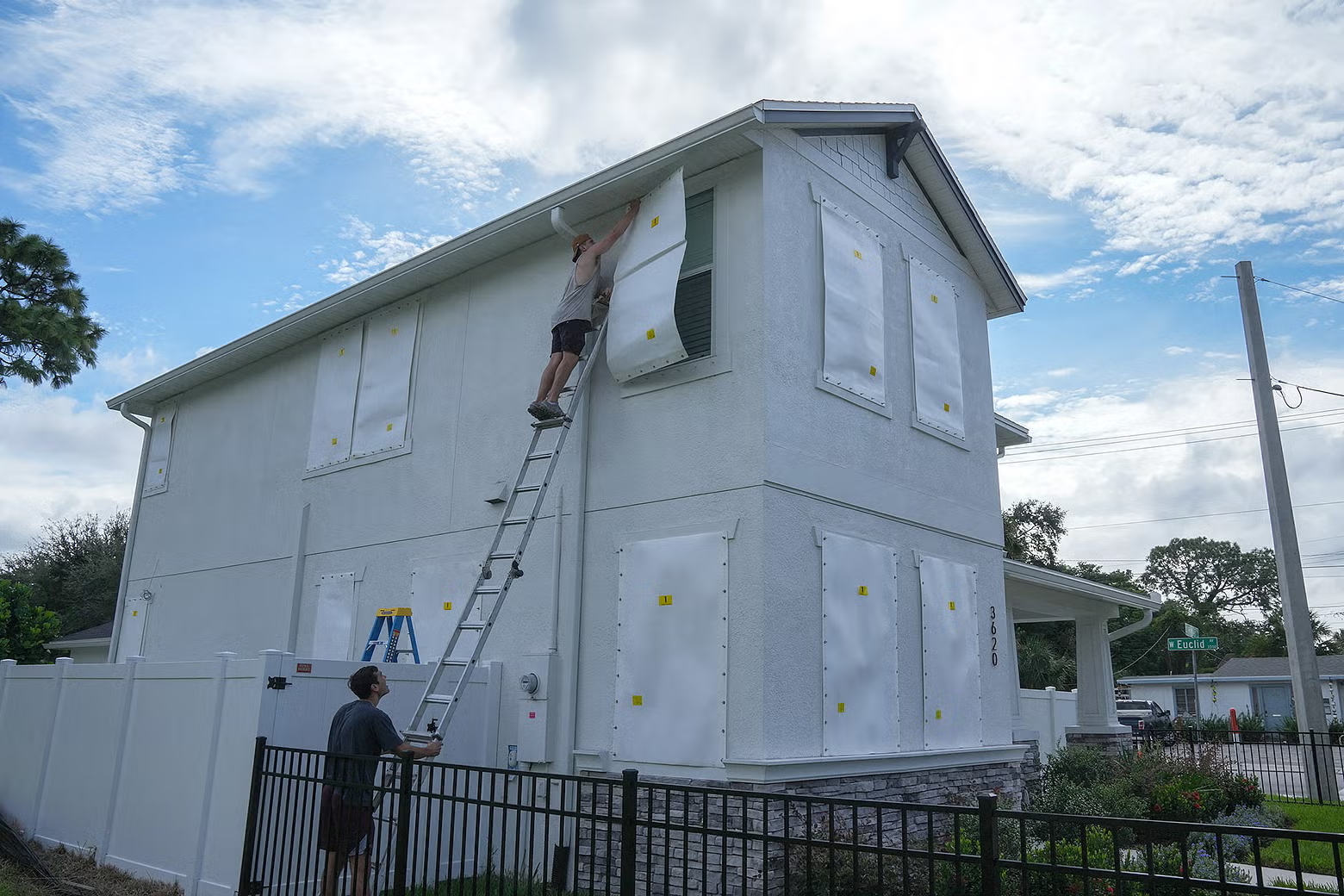
As another storm season approaches, homeowners across Southwest Florida are asking the same question: Is my roof ready? The subtropical climate that gives the region its sun- soaked charm also brings annual challenges—from searing summer heat to hurricane-force winds. This combination takes a toll on even the most durable roofing structures, making regular inspections and upkeep essential. For those considering professional help, roofing services Southwest Florida play an increasingly vital role in protecting not just rooftops, but entire homes and investments.
What the Weather Teaches About Roofs
Every year, weather patterns remind residents how roofs serve as more than just a layer of shingles. They’re the home’s first defense against water intrusion and wind damage. During storm season, rapid gusts can lift shingles, rain can seep beneath underlayment, and humidity can foster invisible leaks that eventually lead to mold and rot.
Even outside hurricane season, the high UV index in Florida can dry out asphalt shingles, leading to cracking or fading. Clay tiles—popular for their aesthetic appeal—can fracture under repeated thermal expansion. Metal roofs, known for their resilience, still require secure fastening and periodic maintenance to prevent corrosion from salty coastal air.
These environmental realities mean every type of roof, regardless of material, has its own set of vulnerabilities in the region.
The Shift Toward Preventive Maintenance
In recent years, more homeowners have shifted from reactive repairs to preventive maintenance. Just as you’d schedule a health check-up before symptoms appear, roofs deserve the same proactive care. Routine inspections can catch small issues—like lifted flashing or minor gaps—that might turn into costly repairs if ignored.
Technological advances are also changing how inspections happen. Drone imaging and moisture-detection tools allow roofing specialists to identify weaknesses without invasive methods. This early-detection approach reduces repair costs and extends the lifespan of roofing systems—an investment that pays dividends when the next storm rolls through.
Sustainability Meets Strength
Southwest Florida’s growing population and shifting climate priorities have pushed sustainability to the forefront of roofing decisions. Homeowners are seeking materials that balance energy efficiency with storm resilience. Reflective or “cool” roofs can reduce indoor
temperature buildup, lowering air-conditioning demands. Meanwhile, modern metal and composite shingles are available in energy-rated variants that combine hurricane resistance with reduced heat absorption.
Solar integration is another trend gaining traction. Many homeowners are aligning their re- roofing projects with solar readiness, ensuring their structures can safely support panels and optimize sunlight capture. A well-prepared roof acts as both a defense system and a power platform—merging practicality with forward-thinking design.
The Hidden Cost of Neglect
Skipping roof maintenance often leads to issues that extend far beyond surface repair. Water leaks can compromise insulation, destroy drywall, and even reach electrical systems. In coastal areas, excess moisture accelerates the deterioration of wooden structures. The cost of neglect can multiply quickly, especially when minor storm damage remains unnoticed until the next downpour.
For property owners looking to sell, a neglected roof can also diminish resale value. Inspectors flag roof deficiencies as one of the top deterrents for potential buyers. Keeping the roof in prime condition, therefore, isn’t just about weatherproofing—it’s about home value protection.
Preparing for What Comes Next
The unpredictability of Florida’s weather makes roof preparedness more than a seasonal topic—it’s a year-round mindset. Homeowners who stay ahead of roof maintenance schedules gain both peace of mind and financial security. Experts recommend at least two comprehensive inspections a year: once before hurricane season and once after major storms. Documenting these checks also proves useful when filing insurance claims for storm-related damage.
As construction materials and climate science evolve, so does the definition of a long- lasting roof. For Southwest Floridians, staying informed, proactive, and connected to reliable roofing professionals means being ready for whatever the skies bring next. In a region where the difference between calm and chaos can come with one tropical warning, readiness isn’t optional—it’s the smartest form of shelter.