
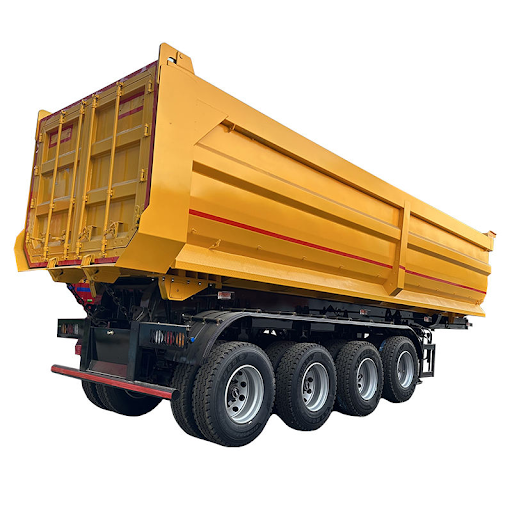
The primary actor in the dry bulk transportation world is the material. The general layout of the transport system is defined by the physical characteristics of material. Any error in selecting the bulk truck set up to suit a given material may result in catastrophic malfunction e.g. blocked lines, incomplete unloading, over wear and even breakage of the trailer. Therefore, it is not only useful to know the correlation between the properties of the material and the construction of trucks, but it is necessary to guarantee effective and profitable working.
There is no such thing as one size fits all solutions. What works perfectly well with light weight plastic pellets may become a nightmare with heavy wet sand. Density and flowability, abrasiveness and moisture content are the most significant considerations. By examining these variables to ascertain the most appropriate bulk truck set-up which will help to see to it that every load is fulfilled, promptly and securely. The accuracy with which equipment is matched to material improves availability and protects your investment.
Fine, Powdered Materials Configurations
Cement, Fly Ash, and Lime
These fine dusty particles are very fluidizable, but can be prone to moisture uptake and packing. The best possible choice with bulk trucks is to have a pneumatic high pressure mostly single compartment trailer equipped with a powerful blower. The air pressure is high so that the powder is ejected fully to close the system and doesn’t have dangerous dust. A lot of powder-based trailers include internal liners, or specially made surfaces that enable a smooth flow.
Flour/Starch/Food-Grade Powders
The food products are easily contaminated, and this is the most significant problem. The best bulk trucks would be a pneumatic unit used exclusively to serve food. It will be constructed with stainless steel, food grade epoxy lining, easily washable, and special seals. Food service trailers are frequently certified so that they meet high standards of health and safety standards throughout the unloading process.
Calcium Carbonate and Talc
These are also powders; however, they are more likely to be dense. They need a big truck with powerful pneumatic systems that can generate enough pressure to accept their weight. These dense powders normally require a potent blower and a good system of pressure relief to work with them easily.
Dry Chemicals and Additives
Various industrial chemicals have special properties, such as being hydrophilic (absorbing water) or corrosion resistant. The bulk truck must also be constructed using stainless steel and other corrosion resistant materials. The entire system should be enclosed to prevent the entry of moisture or any chemical reaction that can destroy the product or the trailer.
Granular and Aggregate Materials Configurations
Sand, Gravel, and Aggregates
They are rough and dense, and can vary in the quantity of dampness. Even though some use gravity hoppers, a semi-pneumatic or low pressure, bulk truck would normally be selected due to its ability to unload the load without tipping. The trailers have been made as tough as possible. They are made using high quality, abrasion resistance steel and reinforced parts that can withstand the grind behavior of this material.
Plastic Pellets and Resins
They are low density fluid materials that are usually damaged easily. It is a bulk truck with low-pressure pneumatic systems. The stress is laid on soft handling to prevent pellet melting or cracking under the frictional heat. The airways and the smooth internal surfaces are incredibly important to ensure the integrity of the product.
Grain, Seeds, and Feed
When it comes to freely flowing agricultural commodities, these are the perfect mating of both gravity discharge hopper trailers and pneumatic bulk truck models. Gravity trailers may be economical on short routes, where tipping may occur. Pneumatic trailers enable a higher degree of flexibility to travel a greater distance and be loaded into storage silos without requiring an unloading hopper to be positioned directly below the trailer.
Salt and Sugar
These are also damaging materials to the environment, and, in sugar, hygroscopic and difficult to manipulate. Corrosion-resistant coatings are typically needed on a bulk salt truck. When dealing with sugar, a stainless steel pneumatic trailer is often employed to prevent contamination, enable easier cleaning and resist the abrasion of the crystals during transportation, as well as during unloading.
Conclusion
No bulk truck is inherently best, just the most effective on a certain piece of material. The decision of whether to use high pressure pneumatic, low-pressure pneumatic or gravity hopper lies entirely on the density and flowability, abrasiveness and the sensitivity and density of the transported material. When you take time to understand the properties of the material and discuss with experienced bulk truck manufacturers to make sure that you choose a configuration that would provide optimum output, reduce downtimes, and protect all cargoes between loading and its ultimate point of unloading. The exact fit is the key to the effectiveness and reliability in the bulk transportation industry.