
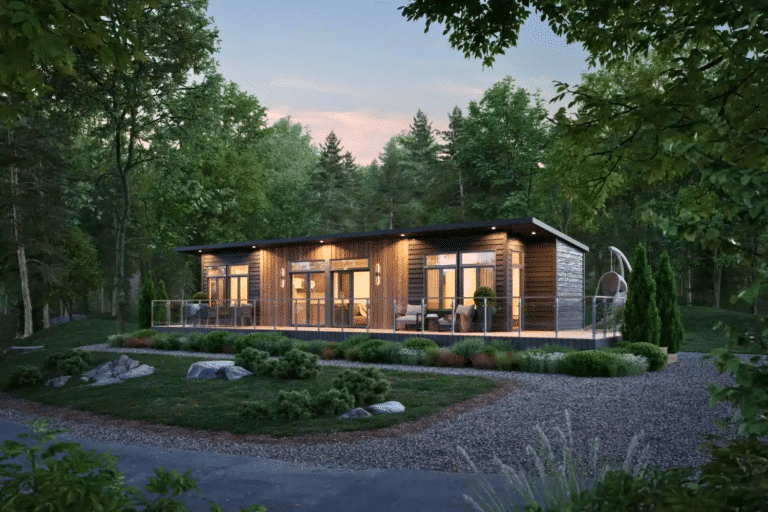
The rise of Accessory Dwelling Units (ADUs) has become one of the most noticeable shifts in modern housing, and millennials are emerging as the primary force behind this increased interest. This generation, shaped by economic challenges, evolving lifestyle priorities, and a desire for more flexible living arrangements, is redefining what homeownership and community living look like. We will explore how changing financial landscapes, multigenerational living preferences, and the pursuit of long-term housing stability have contributed to the growing demand for ADUs among millennials.
Their preferences are influencing design choices, construction trends, and even local housing policies, especially as adu development in Portland Oregon continues to grow as a model for modern housing solutions. ADUs offer millennials options that traditional housing no longer provides, creating a pathway to affordability, sustainability, and practical living arrangements that align with their long-term goals.
Why Millennials Are Choosing ADUs
1.Affordability and Long-Term Financial Strategy
Millennials have faced significant financial hurdles throughout their adult lives, including rising student loan debt, high rental costs, and limited housing inventory. These factors have shaped how they approach major financial decisions, especially homeownership. ADUs present a unique opportunity for cost-effective living, allowing millennials to invest in a property without the financial strain typically associated with purchasing a full-sized home. A smaller footprint means lower construction costs, reduced utility expenses, and manageable maintenance expenses. Many millennials use an ADU as a starter space while renting out the main home or vice versa, allowing them to build equity more sustainably.
Furthermore, the flexibility of ADUs gives owners future options—they can convert the unit into a rental, workspace, or family living area as circumstances evolve. This adaptability appeals to millennials, who often prioritize long-term financial strategy rather than short-term convenience. For them, ADUs represent a smart way to secure housing while maintaining financial stability and preparing for future growth.
2.A Shift Toward Flexible and Minimalist Living
Millennials have shown a strong inclination toward simplicity and functionality, valuing experiences and flexibility over large, traditional homes. ADUs align perfectly with these values by offering compact, efficient spaces that support a minimalist lifestyle without sacrificing comfort. Many millennials find that traditional housing does not reflect their evolving priorities, particularly when it comes to balancing remote work, personal well-being, and responsible consumption.
ADUs offer a scaled-down living environment that still allows for personalization and modern conveniences. In addition, flexible floor plans make it easier for homeowners to adapt the unit as their needs change. Some may use it as a home office during their early career years and later convert it into a rental or living space for aging parents. This degree of versatility resonates strongly with millennials, who often navigate shifting professional paths, relocations, and lifestyle changes. The ability to modify an ADU over time gives it a lasting purpose, making it more than just a small home—it becomes a dynamic living solution that grows with them.
3.Growing Interest in Multigenerational Living Arrangements
Another major factor behind the millennial-driven rise in ADU demand is a renewed interest in multigenerational living. Many millennials take on financial responsibility not only for themselves but also for aging parents and younger family members. ADUs offer an ideal solution by creating independent yet connected living spaces that encourage closeness without compromising privacy. This arrangement supports emotional well-being while also reducing financial strain on families. Millennials often view multigenerational living not as a burden, but as a cooperative and meaningful lifestyle choice.
ADUs help achieve this by allowing family members to remain nearby while still maintaining autonomy. This setup becomes especially beneficial during caregiving situations, transitions between life stages, or when supporting adult children who may be saving for their own future home. Millennials value this balanced approach because it blends family support with modern living. Additionally, the long-term flexibility of ADUs allows them to shift from family use to rental units or guest spaces as circumstances change.
4.Sustainability and Eco-Conscious Choices
Sustainability plays a significant role in millennial decision-making, particularly in housing. ADUs generally require fewer construction materials, occupy less land, and consume less energy than traditional homes. This reduced environmental footprint makes them an appealing choice for millennials seeking meaningful ways to support environmental responsibility. Many ADUs can incorporate eco-friendly features such as solar energy, efficient insulation, and water-saving fixtures. This generation’s preference for smaller, more efficient homes aligns closely with environmental awareness, and ADUs offer an achievable path to green living without excessive cost.
The surge in ADU demand is closely tied to millennials’ values, goals, and experiences. Their focus on affordability, flexibility, sustainability, and family-centered living has reshaped expectations in the housing market. As millennials continue influencing housing trends, the popularity of ADUs is likely to grow, supported by evolving policies, modern design preferences, and a clear need for practical living options. ADUs are not merely a trend for this generation—they are becoming a defining element of how millennials create homes that are functional, adaptable, and meaningful for the future.