
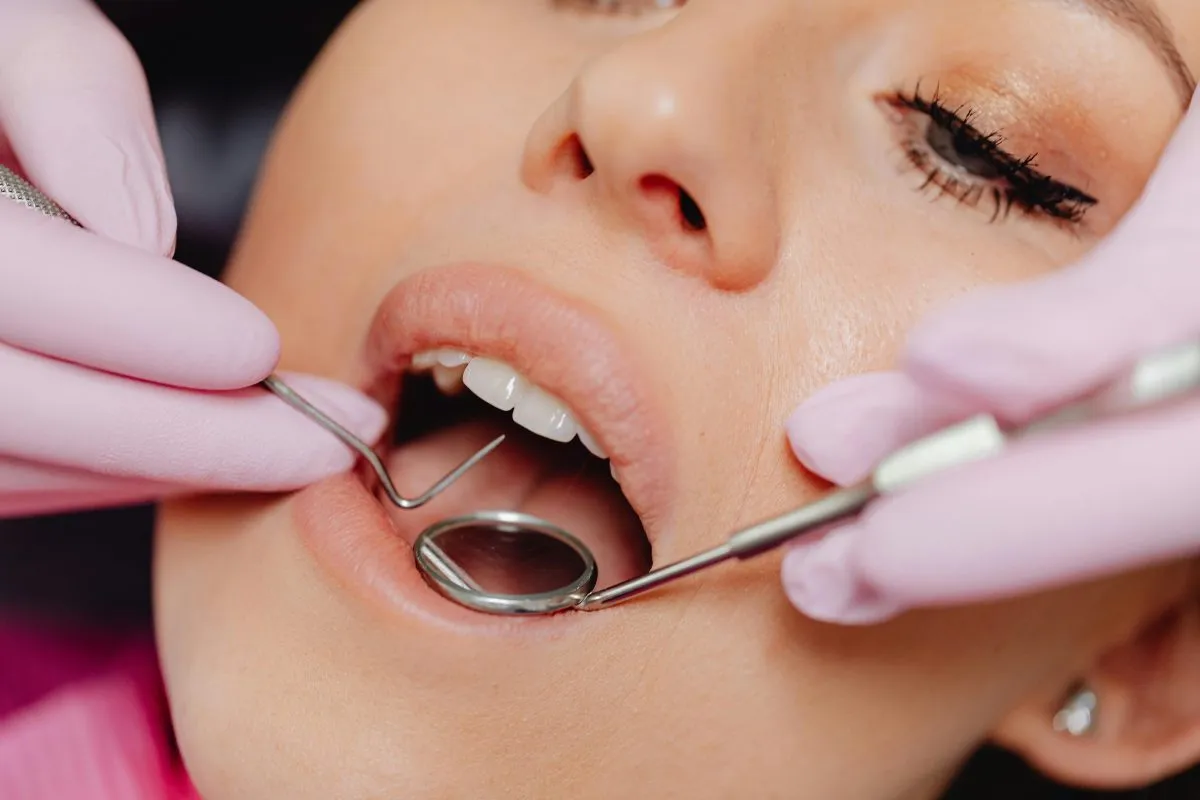
You want a brighter smile that lasts. You also want it to be safe. Preventive dentistry protects both goals. It keeps your mouth stable before you choose cosmetic work. It also guards the money, time, and trust you invest in your teeth. A cleaning, exam, and simple X‑rays often reveal silent problems. Tiny cracks. Early decay. Gum infection. Clenching damage. These issues can hide under veneers, crowns, or whitening. Then they grow. Then they hurt. Then they cost more. Careful preventive steps stop that chain. They give your dentist a clear map of your teeth and gums. They let you move forward with confidence. A Southeast Portland family dentist will first focus on prevention. Then cosmetic care can build on a steady base. Strong teeth. Calm gums. Predictable results. That is how you avoid regret and protect your smile.
Why a “Pretty First” Approach Backfires
Cosmetic work can cover problems. It does not fix them. If decay, infection, or bite problems hide under new veneers or crowns, they keep growing. Then you face pain, retreatment, or even tooth loss.
The Centers for Disease Control and Prevention explains that untreated cavities cause pain, infection, and problems with eating and speaking. Cosmetic work on top of that decay is like paint on a rotten board. It looks fine at first. It fails when stress hits.
You protect yourself when you ask one hard question before any cosmetic work. “Are my teeth and gums healthy enough to support this?” Preventive care gives a clear yes or an honest no.
How Preventive Dentistry Protects Cosmetic Work
Preventive care is simple. It focuses on three steps.
- Find problems early
- Fix problems fully
- Keep problems from coming back
These steps keep your cosmetic work safer in very direct ways.
Step 1: Catch Problems Before They Hide
Before cosmetic treatment, your dentist should complete a full check.
- Visual exam of teeth and gums
- X‑rays to see between teeth and under fillings
- Gum health check for bleeding, pockets, and bone loss
- Bite check for clenching or grinding
The National Institute of Dental and Craniofacial Research explains that gum disease is the main cause of tooth loss in adults. If gum disease hides under new crowns, those crowns lose support. Then they loosen or fail.
Step 2: Fix Problems Before Cosmetic Work Starts
After the exam, your dentist should treat any active disease. That can include:
- Filling cavities
- Cleaning deep under the gums
- Treating infections
- Adjusting your bite
- Making a night guard for clenching
This work might feel like a delay. It is not. It is the part that protects your future self. It keeps you from paying twice for the same tooth.
Step 3: Build a Simple Home Routine
Cosmetic work needs daily care. Your home routine should include:
- Brushing two times each day with fluoride toothpaste
- Cleaning between teeth once each day
- Using any mouth rinse your dentist suggests
- Wearing your night guard if you grind
Regular checkups keep that routine on track. They also give your dentist a chance to spot small changes around veneers, implants, or crowns.
What Happens With and Without Prevention
The table below shows how preventive care changes the story of cosmetic work over time.
| Time frame | With strong preventive care | Without strong preventive care |
|---|---|---|
| Before cosmetic work | Decay and gum disease treated. Bite checked. Clear plan set. | Hidden decay and infection stay. Veneers or crowns are placed on weak teeth. |
| First 1 to 2 years | Cosmetic work feels smooth. No sensitivity. Routine cleanings catch small issues. | Sensitivity, chipped edges, or dark lines at the gum. Extra visits for repairs. |
| 3 to 5 years | Cosmetic work still fits well. Small wear managed with a night guard or minor polish. | Decay under crowns or veneers. Root canals or extractions are needed. |
| 5 to 10 years | Most original work still in place. Only planned updates needed. | Costly retreatment. Some teeth lost. Possible need for implants or bridges. |
Special Concerns for Common Cosmetic Treatments
Whitening
If you whiten over cavities or gum disease, you can feel sharp pain. You can also irritate already sore gums. A cleaning and exam first clear plaque and check for exposed roots or cracks. That keeps whitening safer and more even.
Veneers and Bonding
Thin porcelain or bonding material needs a solid base. If you grind at night, you can crack new veneers. A night guard protects them. If gums are inflamed, the edge of the veneer will not seal well. Then stain and decay creep in.
Crowns and Bridges
Crowns and bridges rely on the teeth and bone under them. Gum disease eats away at that support. That leads to loose crowns or failed bridges. Treating gum disease first makes these restorations last longer and feel better.
Implants
Dental implants need healthy bone and clean gums. Smoking, uncontrolled diabetes, and poor home care increase the risk of failure. A preventive plan that includes medical review, gum treatment, and regular cleanings protects your investment and your health.
How to Talk With Your Dentist Before Cosmetic Work
You can protect yourself by asking direct questions.
- “Are my gums healthy enough for this treatment?”
- “Do any teeth need fillings or root canals before we start?”
- “How will you protect this work if I grind my teeth?”
- “What routine do you want me to follow at home?”
- “How often should I come in to keep this work strong?”
Clear answers show a focus on prevention, not just appearance.
Protect Your Smile and Your Peace of Mind
Cosmetic dentistry can restore pride and comfort. It can help you eat, speak, and smile with ease. You deserve that. You also deserve care that lasts.
Preventive dentistry is not extra. It is the base that holds every veneer, crown, implant, and whitening result. When you give prevention your full attention first, you gain three things. Safer treatment. Stronger results. Fewer painful surprises.